






First, What Is El Niño?
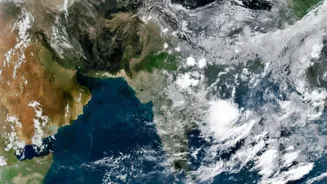
El Niño is a naturally occurring climate pattern characterized by the unusual warming of surface waters in the central and eastern tropical Pacific Ocean. This isn't just a distant oceanic event; it triggers a domino effect across the globe. The warm water releases
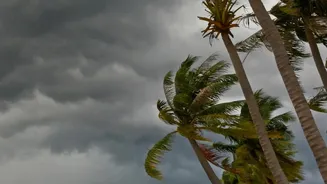
vast amounts of heat into the atmosphere, altering air pressure and disrupting typical wind and rainfall patterns. For India, El Niño events have a well-documented history of influencing the monsoon. The phenomenon generally weakens the trade winds connected to our monsoon circulation, often leading to suppressed rainfall and higher-than-normal temperatures.
A 'Historically Strong' Event in 2026
The current El Niño is not just an average event; international climate agencies are forecasting it to become exceptionally strong. As of late August 2026, observations show a rapid and sustained warming of Pacific sea surface temperatures. Forecasts from bodies like the World Meteorological Organization (WMO) and the U.S. National Oceanic and Atmospheric Administration (NOAA) indicate a greater than 90% chance of a 'very strong' El Niño persisting through the Northern Hemisphere's fall and winter. Some models even suggest a significant chance it could become one of the strongest events on record since 1950, with peak intensity expected between November 2026 and January 2027.
A Drier Post-Monsoon and Winter?
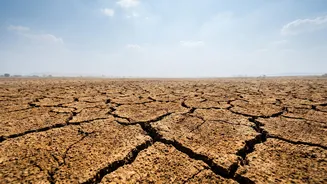
The primary concern for India is the impact on the post-monsoon period, also known as the northeast monsoon, which typically brings rain to southern peninsular India from October to December. A strong El Niño is often associated with drier-than-normal conditions across the Indian subcontinent during this time. While the southwest monsoon has already shown signs of weakness, with rainfall deficits reported in August, the impact of El Niño is expected to become even more pronounced in the coming months. This could mean reduced rainfall for regions dependent on the northeast monsoon and a generally drier winter across many parts of the country.
Implications for Agriculture and Water
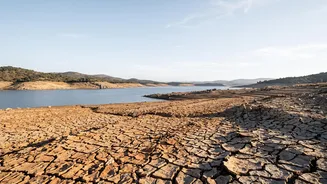
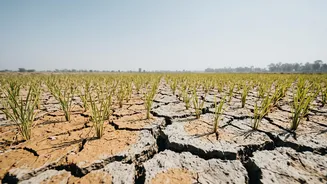
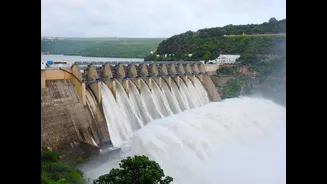
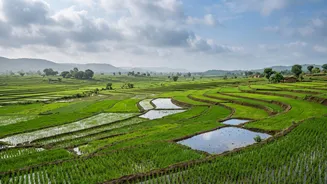
The prospect of a dry post-monsoon season raises significant concerns for the agricultural sector. The moisture from the northeast monsoon is crucial for the sowing and growth of rabi (winter) crops like wheat, mustard, and pulses. A deficit in rainfall could deplete soil moisture, putting stress on crop yields and potentially impacting food production. This agricultural stress could be compounded by the already below-normal performance of the 2026 southwest monsoon, which has left water reservoir levels lower than desired in some areas. Farmers may need to adapt by choosing drought-resistant crop varieties and employing water-conservation techniques.
Warmer Temperatures on the Horizon
Beyond rainfall, El Niño also influences temperatures. The heat released by the warm Pacific waters contributes to a rise in global average temperatures, with the most significant impact often felt in the year following El Niño's peak. For India, this could translate into a warmer-than-average winter and spring in 2027. Experts have warned of an increased likelihood of strong heatwaves next year, even as the El Niño event begins to weaken. This combination of reduced rainfall and elevated temperatures poses a dual challenge, affecting everything from water availability to energy consumption and public health.