

More Than Just a Mini-Break
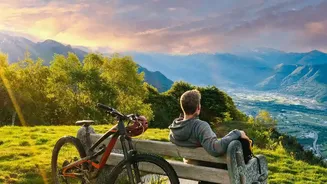
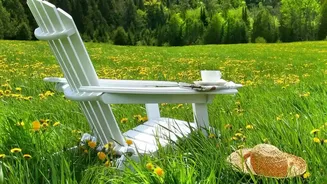
Slow travel is less about the duration and more about the mindset. Instead of a frantic race to tick off ten sights in two days, it’s about choosing depth over distance. Imagine spending a weekend at a single farm stay in the hills, learning about local
life, eating home-cooked meals, and simply being present. This approach swaps the pressure of a packed itinerary for a chance to genuinely connect with a place, its people, and its culture. It’s a rebellion against the idea that a vacation must be a performance for social media, prioritising meaningful memories over a gallery of rushed photos.
The Urban Burnout Catalyst
For many young professionals in India's bustling cities, life is a cycle of high-pressure jobs, long commutes, and constant digital noise. This relentless pace has led to widespread burnout, with a majority of Indian Gen Z reporting feeling exhausted. The traditional annual vacation feels too far away to offer regular relief. In response, 'micro-vacations' or frequent short trips of two to four days have become a popular coping mechanism. These quick getaways offer a necessary reset button, allowing people to disconnect from the chaos of city life and recharge their mental and physical batteries.
From Tourist to Temporary Local
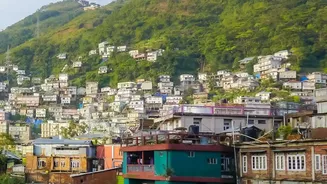
The nature of these trips is also changing. Gone are the days when a weekend trip meant just a standard hotel. Today’s traveller seeks authenticity and privacy, leading to a surge in the popularity of homestays, vacation rentals, and eco-lodges. These accommodations offer a more immersive experience, allowing travellers to live like a local, even if just for a few days. The goal is to understand the rhythm of a place, whether it's by exploring spice plantations in Kerala, trekking through community-protected forests in Nagaland, or simply enjoying the quiet of a Himalayan village.
The Post-Pandemic Effect
The global shift to flexible and remote work has been a significant enabler of this trend. The rise of the 'workation' allows professionals to blend work and leisure, extending their stays without dipping into limited leave days. Someone can now answer emails from a quiet cabin in Uttarakhand or a beach house in Goa. This flexibility, combined with improved connectivity in many non-urban areas, has opened up a world of possibilities for longer, more immersive weekend trips. Travellers are now more conscious, often choosing destinations and experiences that support local communities and promote sustainability.
Destinations for Downshifting
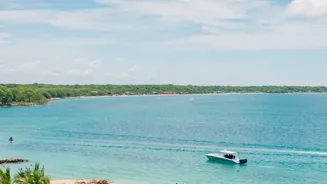
The destinations of choice reflect this desire to slow down. For city dwellers, nearby hill stations, coastal towns, and rural retreats are prime spots. Those in North India might head to places like Kufri or Mukteshwar, while Mumbaikars and Pune residents escape to the Western Ghats. Down south, the serene backwaters of Kerala, the coffee estates of Coorg, and the French-influenced lanes of Pondicherry are popular choices. The focus is on tranquillity, nature, and a pace of life that stands in stark contrast to their weekday existence. Even short international trips to nearby countries are becoming a regular habit for some.