
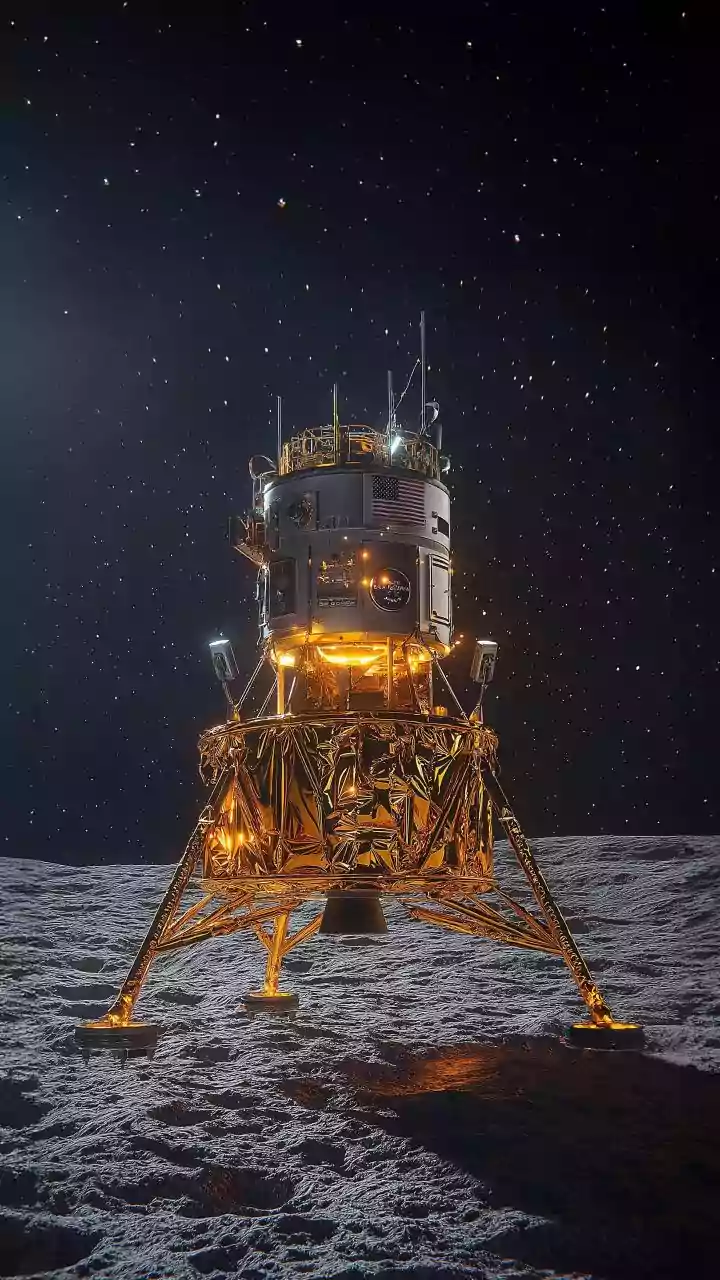
The New Lunar Gold Rush
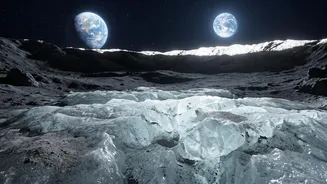
For decades, the Moon was thought to be completely dry. However, recent missions, including India's Chandrayaan-1, confirmed the presence of vast quantities of water ice hidden in permanently shadowed craters at the lunar south pole. These craters, which
have not seen sunlight for billions of years, are some of the coldest places in the solar system, allowing water to remain frozen and stable. This discovery has ignited a new space race, not for prestige, but for a resource that makes long-term space travel sustainable. This concept, known as in-situ resource utilization (ISRU), means living off the land. For NASA's Artemis program, which aims to establish a long-term human presence on the Moon, this 'local' water is the most critical asset.
More Than Just a Drink
The most obvious use for lunar water is for astronauts themselves. The ability to melt ice for drinking water eliminates the need to ship heavy water supplies from Earth, a process that is incredibly expensive. Every kilogram launched into space has a high cost, so sourcing water locally saves both money and cargo space for other critical equipment. But the benefits go far beyond hydration. Through a process called electrolysis, water (H2O) can be split into its component parts: hydrogen and oxygen. The oxygen can be used to create breathable air for lunar habitats, providing a self-sustaining life support system for astronauts.
The Ultimate Prize: Rocket Fuel
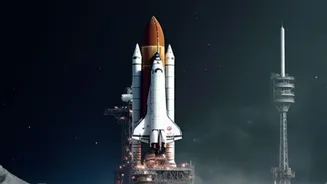
The true game-changer lies in what water becomes after electrolysis: the primary components of rocket propellant. The separated hydrogen and oxygen, when liquefied, form a potent rocket fuel. This means the Moon could become a cosmic refueling station. A huge challenge for deep space missions, like a trip to Mars, is the sheer amount of fuel required to leave Earth, travel to the destination, and return. If a spacecraft can launch from Earth with only enough fuel to get to the Moon, and then refuel there for the onward journey, the entire architecture of space exploration changes. Missions become cheaper, and spacecraft can carry more scientific instruments or crew instead of fuel, opening up the solar system in an unprecedented way.
The Linchpin of the Artemis Program
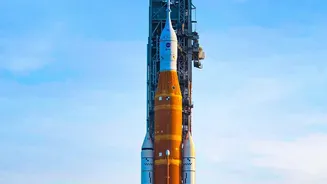
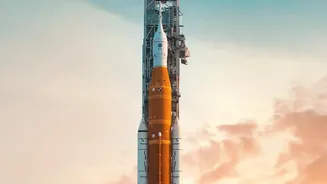
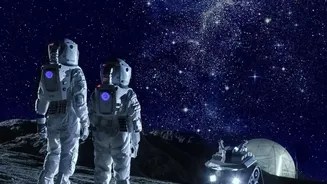
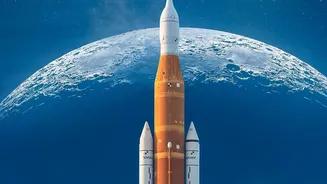
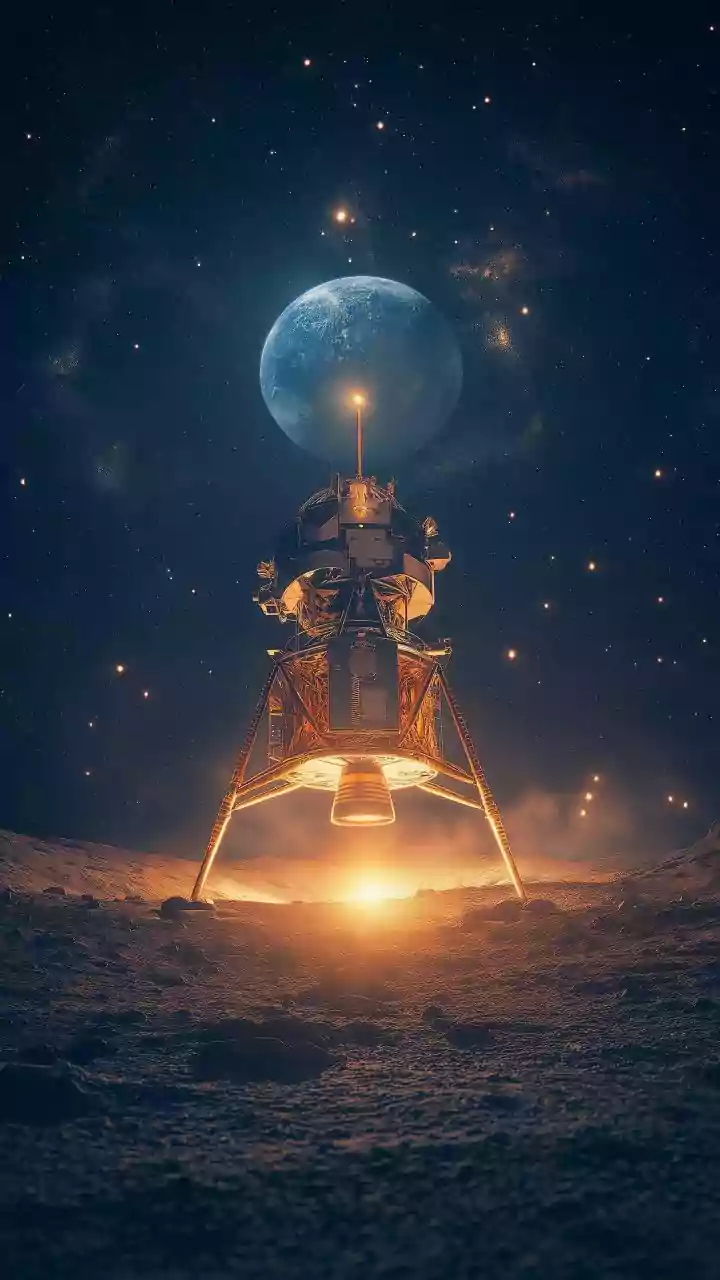
NASA's Artemis program is explicitly designed around the principle of sustainability. Unlike the Apollo missions, which were short visits, Artemis aims to build a permanent base camp and the orbiting Lunar Gateway station. This long-term presence is only feasible and affordable by using local resources. Water ice is the foundational resource that enables this vision. It will supply the Artemis Base Camp with life support, and the fuel produced from it will power lunar landers and deep space vehicles departing from the Moon or the Gateway. Without access to lunar water ice, the goal of a sustainable, long-term human presence on the Moon and the preparation for Mars missions would be exponentially more difficult and expensive.
From Ice to Infrastructure
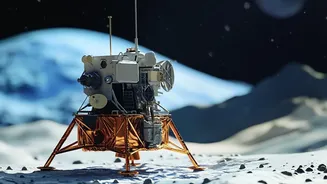
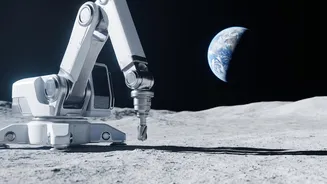
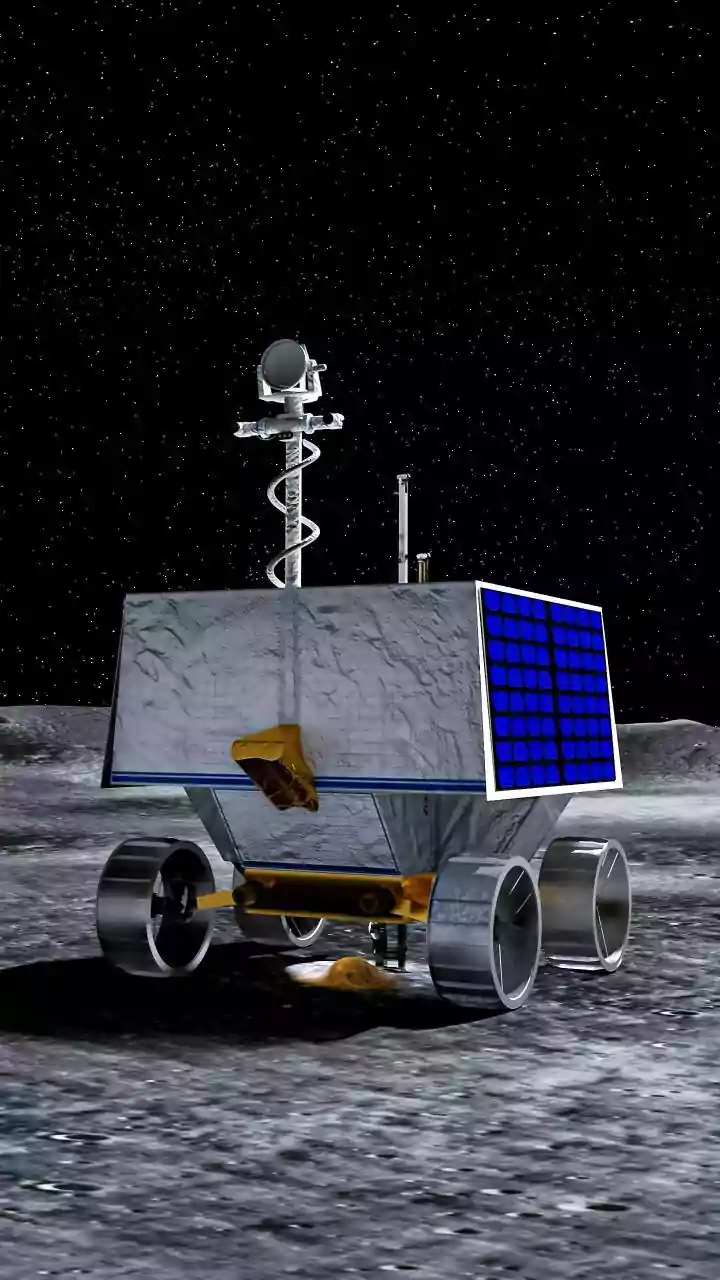
The challenges ahead are immense. Mining in the extreme cold and darkness of permanently shadowed craters, where temperatures can drop below -160°C, requires developing entirely new technologies. Robotic missions, such as the planned VIPER rover, are designed to be the first step, prospecting and mapping the ice deposits to understand their concentration and accessibility. Engineers will need to build robotic miners, processing plants to extract and purify the water, and storage facilities for the resulting oxygen and hydrogen. It will be a massive undertaking in one of the most hostile environments imaginable, but the payoff—a permanent foothold for humanity in the cosmos—is deemed well worth the effort.