
Beyond the Straight and Narrow
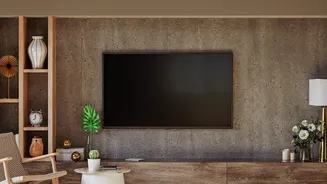
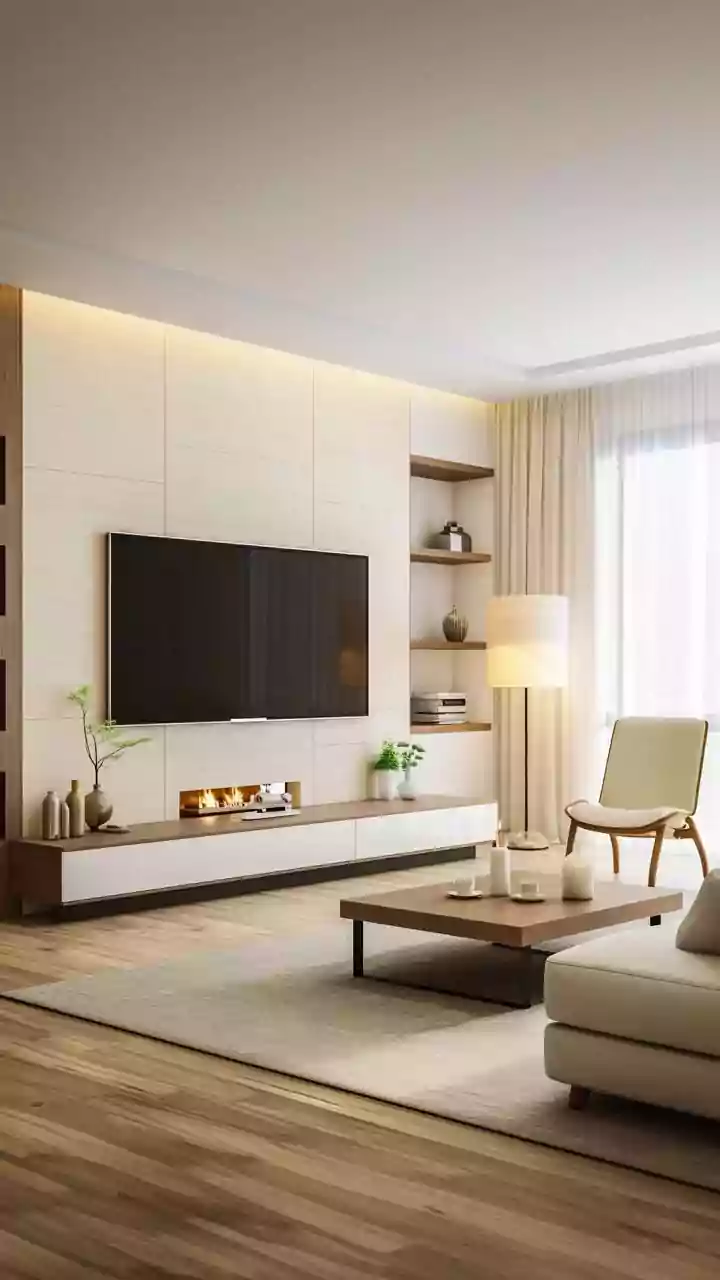
For years, contemporary design was defined by what it wasn't: ornate, heavy, or fussy. It championed clean lines, right angles, and a polished perfection that, while visually striking, could sometimes feel impersonal. The rectangular sofa, the glass-topped
table with sharp corners, and the perfectly symmetrical layout became hallmarks of modern living. But a collective desire for comfort and sanctuary, especially in our post-pandemic world, has shifted our priorities. Homeowners are now looking for spaces that are not just beautiful to look at but are deeply comforting to live in. This has sparked a move away from rigid geometry towards forms and finishes that feel more human and connected to the natural world.
The Allure of the Curve
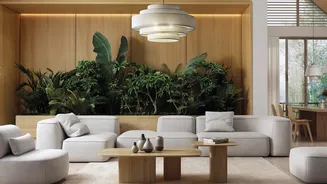
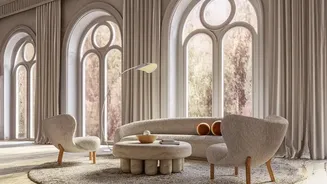
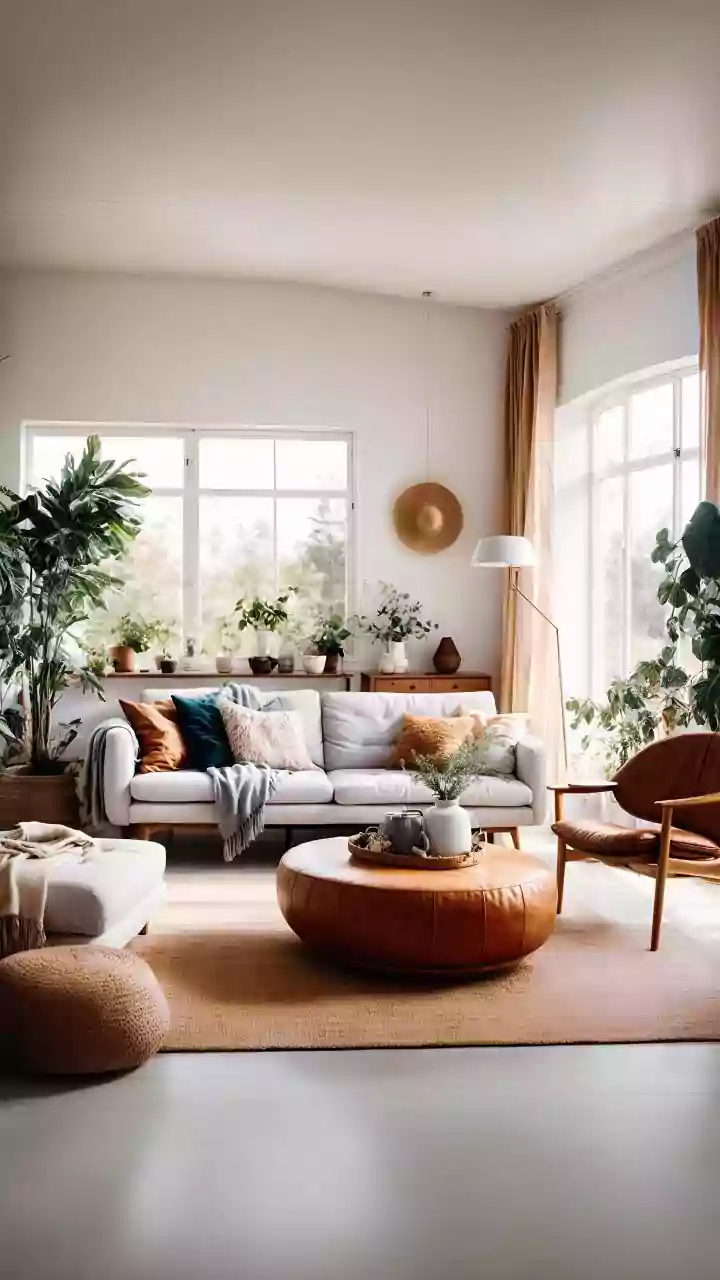
The most visible sign of this shift is the embrace of curved forms. Walk into a newly designed Indian home today, and you are likely to find rounded sofas that encourage conversation, oval coffee tables that soften a living room, and arched doorways or mirrors that break the tyranny of the rectangle. These organic shapes are inherently more welcoming. Psychologically, curves are perceived as safer and more approachable than sharp angles. They guide the eye gently through a space, creating a sense of flow and fluidity. This is not just about a single piece of furniture; it’s a holistic approach that includes sculptural accent chairs, circular rugs, and even pebble-shaped decor, all contributing to a room that feels more enveloping and serene.
An Earthy and Authentic Palette
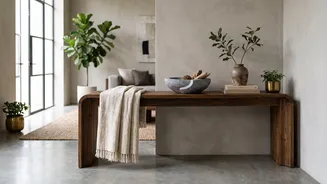
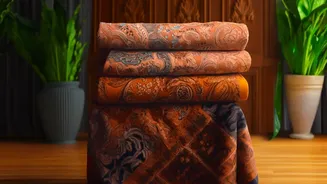
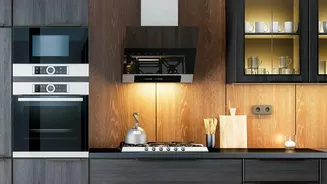
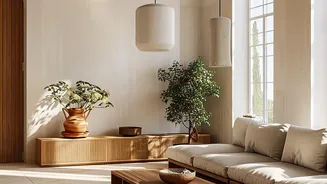
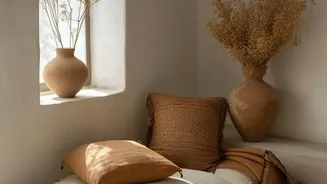
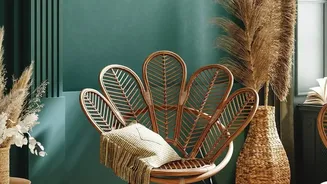
Hand-in-hand with softer shapes is a profound change in materials. The glossy, factory-perfect finishes are being replaced by surfaces that are tactile, textured, and honest. Wood, especially varieties like teak and mango with their rich, visible grains, is being used for everything from furniture to ceiling panels. Natural fibres such as jute, rattan, cane, and linen are appearing in rugs, lighting fixtures, and upholstery, adding layers of texture. There’s also a renewed love for earthy materials that have deep roots in Indian tradition: terracotta in planters and decor, limestone or Kota stone for flooring, and the warm, breathable finish of lime plaster on walls. This turn towards natural materials is driven by a desire for authenticity and sustainability, creating homes that age gracefully.
Why Now? A Return to Nature
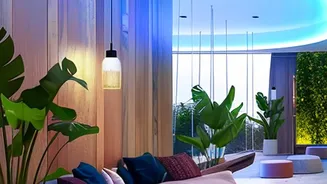
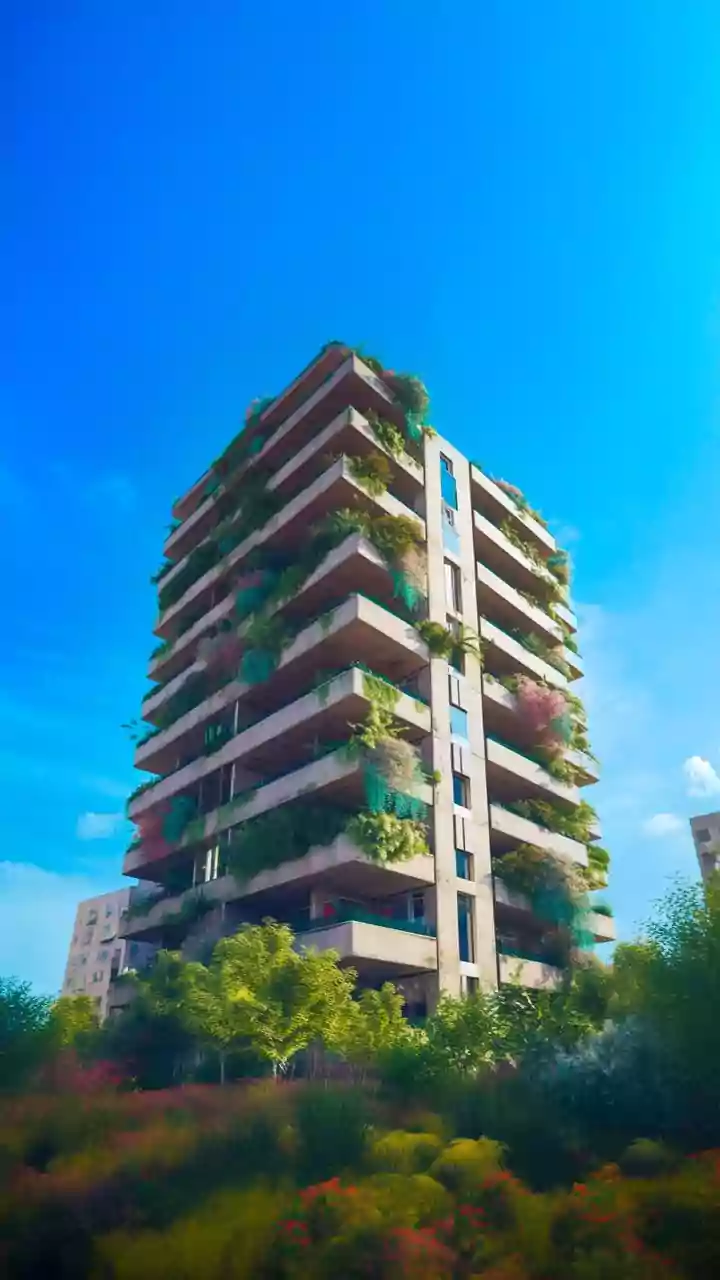
This trend is more than just an aesthetic choice; it’s a response to modern urban life. The underlying philosophy is biophilic design—the idea that humans have an innate need to connect with nature. In bustling cities, our homes have become our primary sanctuaries. Integrating natural elements helps reduce stress and improve well-being. This concept isn't new to India; traditional architecture has always used courtyards, verandas, and natural ventilation to harmonise with the environment. Today’s trend is a modern interpretation of that ancient wisdom, influenced by global styles like the rustic simplicity of Wabi-Sabi and the warm minimalism of Japandi. It's about creating a home that feels like a calming retreat from the outside world.
How to Bring the Organic Trend Home
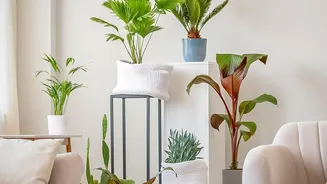
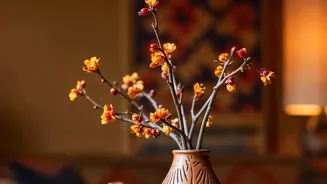
Adopting this style doesn't require a complete overhaul. You can start small to introduce a softer, more natural feel to your space. A single statement piece, like a curved accent chair or a round jute rug, can instantly soften a room's geometry. Swap out synthetic cushion covers for ones made of linen or handwoven cotton. Introduce plants in terracotta or ceramic pots to bring life and purified air indoors. Look for decor made from natural materials—a wooden bowl, a stone paperweight, or a collection of handmade ceramic vases. The key is to focus on texture and imperfection. By choosing items that show the hand of the maker or the grain of the wood, you create a space that feels personal, grounded, and truly alive.