
What Exactly is an Olla?
Pronounced 'oy-yah', an olla is an unglazed terracotta pot used for irrigation. This technique is not a new invention; it's an ancient method that has been used for over 4,000 years in various parts of the world, from North Africa to China. The concept
is brilliantly simple: an unglazed, porous clay pot is buried in the soil, leaving only its neck exposed. It's then filled with water, which it slowly releases to the surrounding plants. These pots come in various shapes and sizes, but the most effective ones for this purpose have a wide body and a narrower neck, which makes them easy to refill while minimising exposure to the air.
The Science of Saving Water
The secret to the olla's efficiency lies in its porous nature and a scientific principle called soil moisture tension. Because the terracotta is unglazed, it has microscopic pores. Water doesn't just flow out freely; instead, it is drawn out by the surrounding dry soil and the plant's roots. When the soil is dry, the roots essentially 'pull' water through the clay walls. Conversely, if it has just rained or the soil is already moist, the water stays inside the olla until it's needed. This self-regulating system means water is delivered directly to the root zone, where it's needed most. This dramatically reduces water loss from surface evaporation and runoff, which are major issues with traditional top-watering, especially for containers that heat up quickly in the sun. Studies and users report water savings of up to 70% compared to surface watering.
More Greenery, Less Effort
For the busy urban gardener, the time-saving aspect is just as crucial. Instead of the daily ritual of watering each pot, ollas typically only need to be refilled once or twice a week, depending on the plant's needs and the weather. This 'set-it-and-forget-it' approach removes the guesswork and the daily commitment. It also creates healthier, more resilient plants. Container plants are often subjected to a stressful cycle of being too wet right after watering and too dry just hours later. Ollas provide a consistent, steady supply of moisture, which prevents this stress. This leads to stronger root development, as the roots grow deeper and more densely around the water source. Healthier roots mean better nutrient uptake and more robust plants that are less prone to issues like cracking in tomatoes or bitterness in leafy greens.
Perfect for Balcony Containers
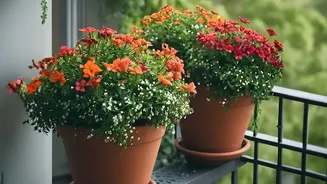
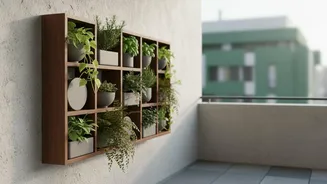
While traditionally used in-ground, ollas are perfectly suited for container gardening on balconies and patios. In fact, they solve one of the biggest challenges of container gardening: pots drying out extremely quickly. By providing a subterranean water reservoir, ollas ensure your plants stay hydrated even on hot days or if you're away for a weekend. Another benefit is that the soil surface remains relatively dry, which can help discourage the growth of weeds and deter some common garden pests. Keeping the foliage dry also reduces the risk of fungal diseases that often spread through water splashed on leaves.
How to Get Started
You can purchase ready-made ollas online or from specialty garden suppliers. Alternatively, you can create your own DIY version. A popular method involves taking two identical unglazed terracotta pots, sealing the drainage hole of one, and then glueing their rims together with a waterproof, food-safe silicone sealant to create a single vessel. To use it, simply dig a hole in your container large enough to bury the olla, leaving the neck sticking out a few inches above the soil. Place your plants around it, fill the olla with water, and cover the opening with its lid or a small saucer to prevent mosquitoes and debris from getting in. It’s a simple change that can fundamentally improve your balcony gardening experience.