


Swap White Rice for Millets or Brown Rice
Polished white rice is a staple in many Indian households, but it's stripped of its most nutritious parts, including the fibre-rich bran. A simple switch to brown rice or, even better, traditional millets like jowar (sorghum), bajra (pearl millet), and
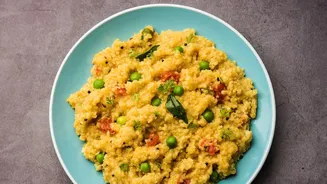
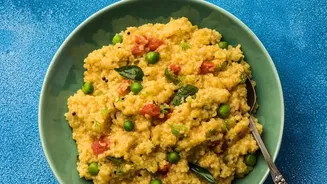
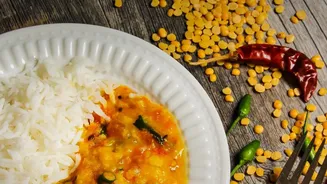
ragi (finger millet) can significantly increase your fibre intake. Millets are considered nutritional powerhouses, often containing more fibre, protein, and essential minerals than both white and brown rice. This swap helps in better digestion, promotes a feeling of fullness, and supports steadier blood sugar levels. Start by making millet khichdi, using jowar rotis instead of wheat, or simply serving cooked brown rice with your favourite dal or curry.
Choose Whole Wheat Atta Over Refined Flour
Refined flour, or maida, is a common ingredient in everything from naan and bhatura to biscuits and cakes. However, the refining process removes its fibre and nutrients. The easiest swap is to use whole wheat flour (atta) in its place. Whole wheat flour retains the bran and germ, providing more fibre, vitamins, and minerals that aid digestion and help keep you feeling full for longer. For rotis and parathas, the switch is seamless. When baking, you can start by replacing half the maida with atta to get used to the denser, nuttier texture before transitioning completely. You can even find creative recipes for no-maida momos using whole wheat or ragi flour.
Incorporate More Dals and Legumes
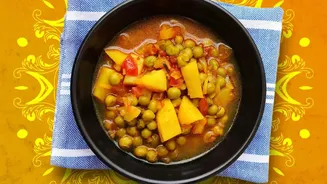
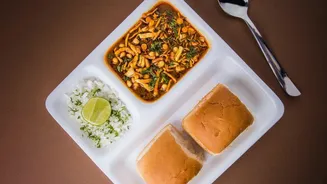
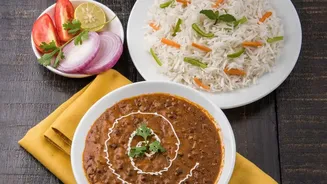
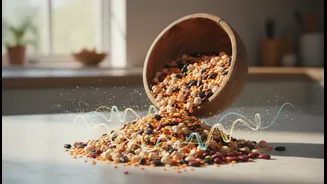
Lentils and legumes are the backbone of Indian cuisine and are naturally packed with both soluble and insoluble fibre. Dals like masoor and moong, and legumes like chickpeas (chana) and kidney beans (rajma), are excellent for digestive health and providing sustained energy. One cup of cooked rajma can provide nearly half of the daily recommended fibre intake for some adults. Make it a habit to include a dal or legume-based dish with every main meal. Beyond traditional curries, you can add boiled chickpeas to salads, make a sprout chaat for a snack, or prepare moong dal chillas for a protein- and fibre-rich breakfast.
Eat Whole Fruits Instead of Drinking Juice
Fruit juice might seem like a healthy choice, but the juicing process strips away most of the dietary fibre found in the pulp and skin of whole fruits. This fibre is essential for slowing down sugar absorption and promoting gut health. Eating a whole apple, a guava, or a bowl of berries provides significantly more fibre and nutrients, keeping you fuller for longer. Guava is one of India's highest-fibre fruits, with a single fruit containing a substantial amount. So, next time you crave something sweet, reach for a whole fruit instead of pouring a glass of juice. It’s a simple change that makes a big difference to your daily fibre count.
Snack Smarter with Nuts and Seeds
Instead of reaching for packaged biscuits or fried snacks, which are often made with refined flour and unhealthy fats, turn to nuts and seeds. Almonds, walnuts, roasted chana, and seeds like flax (alsi), chia, and pumpkin are all fantastic sources of fibre, healthy fats, and protein. This combination helps control hunger effectively between meals. A handful of mixed nuts makes for a convenient and filling snack. You can also sprinkle ground flaxseed over your yoghurt or oatmeal, add chia seeds to your water bottle, or blend a spoonful of seeds into your smoothie for an effortless fibre boost.
Bulk Up Meals with More Vegetables
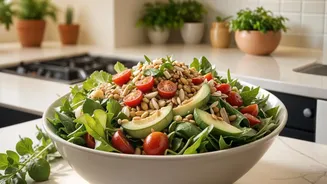
This is one of the most versatile ways to increase your fibre intake without overhauling your favourite recipes. Most vegetables are naturally rich in fibre and low in calories. Finely chop or grate vegetables like carrots, spinach, cabbage, and bell peppers and sneak them into almost anything. Add them to your atta when making parathas, mix them into dal, stir them into upma or poha, or load them into your omelettes. Leafy greens like spinach (palak) and fenugreek (methi) are particularly great for boosting the fibre content of curries and khichdi. This not only adds roughage but also enhances the flavour, texture, and nutrient profile of your meal.