



The Rise of the 'Shoulder Season' Holiday
For years, Indian travel plans were built around school summer holidays and the year-end festive rush. Now, a noticeable shift is underway as savvy travellers discover the advantages of the 'shoulder season'. This period, falling between the peak and off-peak
times, is increasingly being seen as the ideal window for a vacation. According to travel industry experts, September and October are benefiting from this trend, with multiple festivals and long weekends in India providing the perfect excuse for a trip. The appeal is simple: fewer crowds, more competitive prices for flights and hotels, and pleasant weather in many international destinations. This shift allows travellers to allocate more of their budget to experiences rather than just logistics.
Europe's Golden Glow and Milder Days
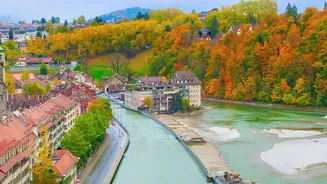
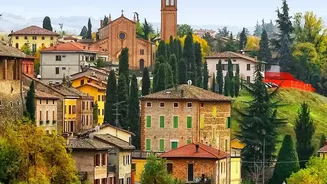
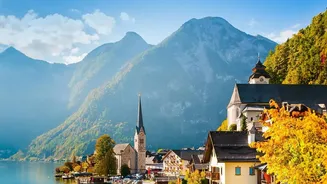
Europe in autumn sheds its summer crowds, revealing a more authentic and relaxed atmosphere. The weather is often ideal—pleasantly mild in southern countries like Spain and Greece, and crisp and cool in Central Europe, perfect for city exploration without the sweltering heat. Destinations like Germany's Bavaria, with its fairytale castles set against golden forests, and Slovenia's Lake Bled become exceptionally scenic. The Alsace wine route in France and Italy's harvest festivals offer unique cultural experiences that are unavailable in peak summer. For Indian travellers, this often translates to a better-value trip, with lower airfares and accommodation costs, especially from mid-October onwards. Recent booking data even shows India as the fastest-growing market for travel to Munich's famous Oktoberfest, highlighting a keen interest in autumn's cultural events.
Asia's Post-Monsoon Serenity and Vibrant Colours
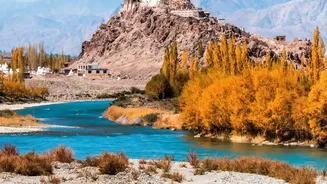
Asia also puts on a spectacular show in autumn. As the monsoon rains recede, the landscapes across many countries are left lush and green. South Korea and Japan are particularly famous for their stunning autumn foliage, with mountains and city parks turning into a sea of red, orange, and gold from late September through November. Destinations like Kyoto in Japan and Seoraksan National Park in South Korea are major draws for their scenic beauty. In Southeast Asia, countries like Vietnam offer a different kind of appeal. The rice terraces in Northern Vietnam, particularly Sapa, are at their most beautiful in early October, glowing gold before the harvest. Meanwhile, destinations like Hanoi and Da Nang are seeing a surge in interest from Indian tourists, drawn by a mix of culture, pleasant weather, and good connectivity.
The Smart Economics of Autumn Travel
Beyond the beautiful scenery and comfortable climate, the financial benefits are a significant driver of this trend. According to reports, a substantial percentage of Indian travellers now deliberately choose shoulder seasons to avoid crowds and find better value. Flights and hotels can be significantly cheaper than during the summer or December peaks. For a trip to Europe, for instance, a well-planned 7-10 day holiday in autumn can be considerably more affordable, with experts suggesting a budget of ₹1.4 lakh to ₹3 lakh per person is realistic. Booking flights 3-4 months in advance for travel in September or October can lead to substantial savings, making that dream international trip more accessible. This smarter approach to timing is turning the shoulder season into the main event for many.