



Understanding Cold-Pressed Oils
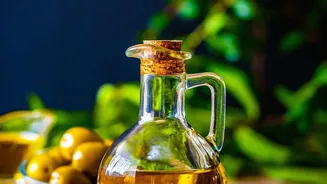
Before we dive into cooking, what exactly does 'cold-pressed' mean? It's an extraction method that uses mechanical pressure without high heat or chemicals to get oil from seeds. This gentle process ensures the oil retains its natural flavour, aroma, and
a higher nutritional value compared to refined oils, which are processed at high temperatures that can strip them of their inherent goodness. This is why cold-pressed oils taste so distinct; they carry the true essence of the seed, be it the pungency of mustard or the nuttiness of groundnut.
The Pungent Power of Mustard Oil
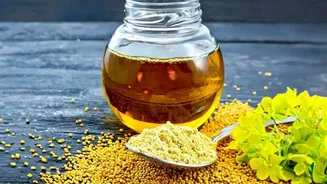
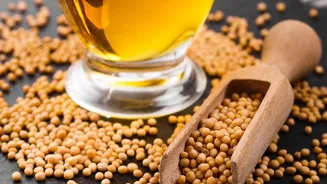
A cornerstone of Bengali, Bihari, and Punjabi cuisines, cold-pressed mustard oil is known for its sharp, pungent flavour. This oil has a high smoke point, making it excellent for high-heat cooking like deep-frying pakoras or fish. To balance its strong flavour, many traditional cooks heat the oil until it just begins to smoke lightly before adding other ingredients; this mellows the pungency, leaving a warm, aromatic base. It's essential for making authentic pickles ('achaar'), where its natural preservative qualities shine. It also gives an unmatched flavour to vegetable stir-fries like 'aloo gobhi' and is the soul of a classic Bengali fish curry, or 'maachher jhol'.
The Nutty Goodness of Groundnut Oil
Cold-pressed groundnut oil, or peanut oil, is a versatile fat beloved in Western and Southern India. Its mild, nutty aroma doesn't overpower dishes, but instead provides a round, complete flavour. With a high smoke point, it’s a reliable choice for deep-frying snacks like samosas and bhajiyas, ensuring they turn out crisp and non-greasy. It’s also the traditional choice for tempering ('tadka' or 'vaghar') in Gujarati dals and South Indian breakfast dishes like poha and upma. The oil’s stability at high heat makes it perfect for stir-frying vegetables and it is considered by many cooks to be an irreplaceable ingredient for an authentic taste in dishes like Kolhapuri misal.
The Ancient Aroma of Sesame Oil
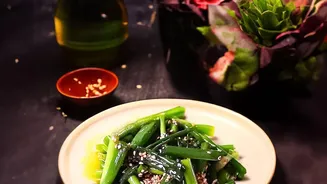
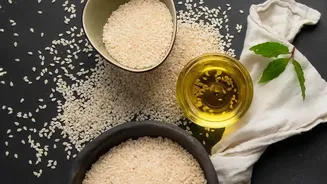
Often called 'gingelly' or 'til' oil, cold-pressed sesame oil is a staple in South Indian and some East Asian cooking. It has a distinct, rich, and nutty flavour that is more pronounced than groundnut oil. While it has a slightly lower smoke point than mustard or groundnut oil, it is excellent for tempering spices for dishes like sambar, rasam, and various chutneys. A drizzle of sesame oil over idli podi is a classic combination for a reason. It can be used for light sautéing and in marinades, where its flavour can truly penetrate the ingredients. Sesame rice, or 'ellu sadam', is a dish where the oil's flavour is the star, used both for cooking and finishing.
Tips for Everyday Cooking
When using these traditional oils, a few simple rules help. First, store them in a cool, dark place to maintain their freshness and prevent them from going rancid. Second, pay attention to heat. While these oils can handle frying, controlling the flame is key to preserving their flavour and nutrients. Don't be afraid to experiment. Use mustard oil for a pungent dal tadka, groundnut oil for frying perfectly crisp puris, and sesame oil for a fragrant vegetable stir-fry. Embracing these oils is not just about nostalgia; it’s about reconnecting with authentic flavours that are deeply rooted in Indian culinary traditions.