






Personal Item vs. Carry-On Bag
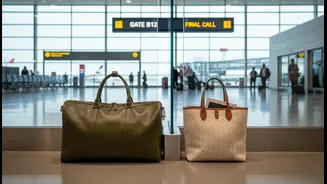
First, it's crucial to understand the terminology. A 'personal item' is the smaller of the two bags you can bring into the cabin. It must fit completely under the seat in front of you. This is typically a laptop bag, a handbag, a small backpack, or a briefcase.
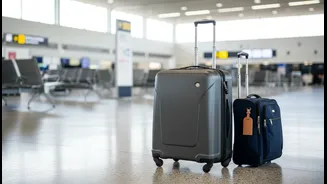
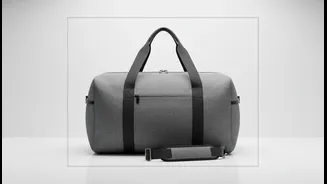
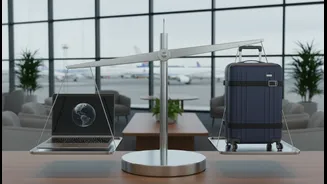
Your 'carry-on' or 'cabin bag' is the larger piece, like a small roller suitcase or a duffel bag, which is stored in the overhead bin. Most airlines allow one of each, but the specific size and weight limits for both can vary significantly, and budget airlines may have stricter rules.
Why the Rules Aren't Universal
There isn't a single global standard for cabin baggage, which leads to confusion. Airlines set their own policies based on several factors. A carrier's business model plays a huge role; low-cost airlines often have stricter limits to generate revenue from baggage fees. The type of aircraft also matters, as smaller regional planes have less overhead and under-seat space. Furthermore, routes can influence allowances, with long-haul international flights sometimes offering more generous policies than domestic ones. Competition on a particular route can also lead airlines to offer more lenient baggage rules to attract customers.
Domestic Indian Airlines: A Closer Look
For travellers within India, the rules are relatively consistent but have key differences. IndiGo allows a 7 kg cabin bag and an additional personal item, like a laptop bag or ladies' purse, weighing up to 3 kg. Air India also permits one cabin bag (up to 8 kg for domestic flights) and a personal item, which has its own dimension limits. SpiceJet's policy combines the weight, allowing one piece of hand baggage up to 7 kg, which includes the weight of a laptop bag or purse. Vistara's allowance depends on the travel class, with Economy passengers allowed 7 kg for hand baggage, while Premium Economy and Business get 10 kg and 12 kg, respectively, in addition to a personal item.
International Carriers: What to Expect
When flying abroad, the differences become even more pronounced. Emirates allows Economy passengers one piece of cabin baggage up to 7 kg, while Business and First Class passengers can carry two pieces with a combined weight of up to 14 kg. However, for flights departing from India, a total linear dimension rule of 115 cm is strictly applied for the cabin bag. Qatar Airways allows one cabin bag of up to 7 kg for Economy class, with the combined weight of the cabin bag and personal item not to exceed this limit. First and Business class passengers on Qatar can take two pieces with a total weight of 15 kg. It's also important to note that flights to and from the Americas often use a 'piece concept' (a set number of bags) instead of a 'weight concept'.
Tips for Stress-Free Packing
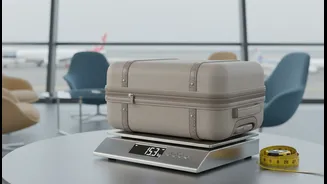
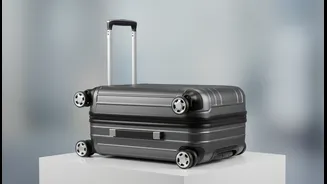
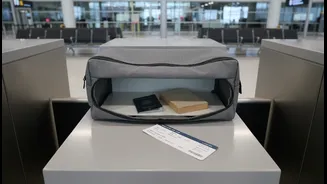
To avoid any last-minute surprises or fees, the best strategy is to check the specific airline's baggage policy on their official website before you pack. This is especially true if you are flying on a codeshare flight or have a journey involving multiple airlines, as the rules of the operating carrier usually apply. When packing, measure your bags and weigh them at home. Remember that dimensions almost always include wheels and handles. Opting for a soft, flexible bag for your personal item can make it easier to fit it under the seat. Keep all your essentials like travel documents, medications, and valuables in your personal item, as it will remain with you throughout the flight. By being informed and preparing in advance, you can ensure a much smoother and more pleasant start to your journey.