



Understand Your Balcony's Light
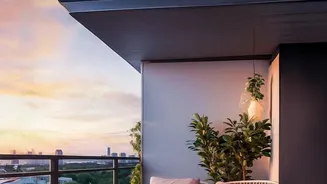
Before buying a single plant, the most crucial step is to assess your balcony's sunlight. Observe how much direct sun different spots receive throughout the day. A simple way to do this is to check at 9 a.m., noon, and 4 p.m. An east-facing balcony gets
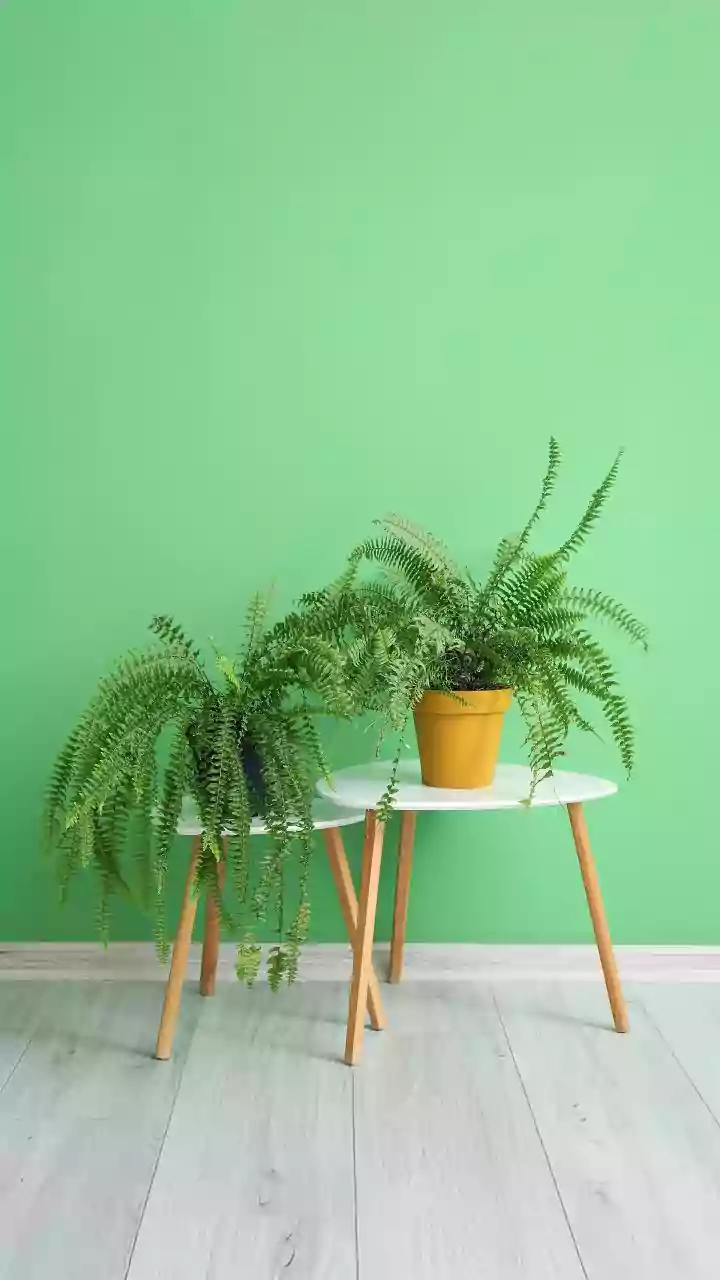
gentle morning light, ideal for herbs and leafy greens. A south or west-facing one receives intense, direct sun for many hours, perfect for sun-loving flowers like bougainvillea and hibiscus. North-facing balconies get the least direct light and are best suited for shade-tolerant plants like ferns, snake plants, and money plants. Matching plants to your specific light conditions is the foundation of a successful garden.
Choose the Right Plants
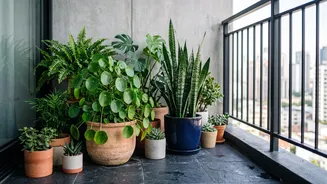
For sunny Indian balconies, hardy and heat-tolerant plants are your best bet. Bougainvillea, hibiscus, and Ixora provide vibrant, long-lasting flowers with minimal fuss once established. Herbs like tulsi (holy basil), curry leaves, and mint are practical, easy to grow in containers, and well-suited to Indian climates. For lower light conditions, consider the resilient snake plant, areca palm, or jade plant, all of which are famously low-maintenance. When starting out, it's wise to begin with just a few hardy plants to build your confidence before expanding your collection.
Master the Art of Watering
Improper watering is one of the most common reasons container plants fail. Plants on a balcony often dry out faster than those in the ground due to wind exposure and the limited volume of soil in pots. The best rule is to water only when needed. Check the soil by inserting your finger about an inch deep; if it feels dry, it’s time to water. When you do water, do it thoroughly, allowing water to run out of the drainage holes at the bottom of the pot. This ensures the entire root system gets hydrated. In peak summer, small pots may even need watering daily, while in winter, you'll need to water much less frequently. Always aim for the soil, not the leaves, to prevent fungal diseases.
Provide Good Soil and Nutrition
Balcony plants are entirely dependent on you for nutrients. Never use heavy garden soil, which compacts in pots, drains poorly, and can introduce diseases. Instead, use a quality, well-draining potting mix designed for containers. This lightweight mix allows for better root growth and aeration. Since nutrients in a pot are finite, you will need to replenish them. After the first few months, you can begin feeding your plants with a balanced liquid fertilizer every few weeks during the growing season, or use a slow-release granular fertilizer mixed into the soil.
Manage Pests Naturally
While balcony gardens often have fewer pests than ground-level ones, problems can spread quickly in a small space. The best defence is a healthy plant, as strong plants are better at resisting pests. Regularly inspect your plants, especially the undersides of leaves, for common culprits like aphids, spider mites, and whiteflies. If you spot pests, a simple spray of neem oil solution or insecticidal soap is often an effective and organic first response. Companion planting can also help; for instance, planting marigolds can deter many pests naturally.