



The New Fitness Mantra
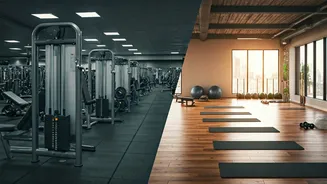
The gym, once the undisputed temple of fitness, now has serious competition: the humble Indian home. A powerful wave of zero-equipment workouts is sweeping across the nation, transforming how we think about health and exercise. This isn't just about saving
money on a membership; it's a fundamental shift towards convenience, privacy, and accessibility. In bustling cities where time is a luxury and space is a premium, the ability to get a quality workout with just a floor mat (or not even that) is revolutionary. What started as a necessity during the pandemic lockdowns has blossomed into a preferred lifestyle choice for a generation that values flexibility above all else.
Decoding the Viral Wave
So why is this trend exploding right now? Several factors are converging perfectly. First, the digital infrastructure is in place. Affordable data and widespread smartphone use mean millions can access high-quality fitness content on platforms like YouTube and Instagram. Second, a new generation of Indian fitness influencers has risen to prominence. These are not intimidating, muscle-bound celebrities; they are relatable, often speaking in regional languages, and understand the unique challenges of an Indian lifestyle. They break down complex exercises, offer modifications for all fitness levels, and build supportive online communities. This cultural resonance is a key driver, making fitness feel less like a Western import and more like a personal, achievable goal.
More Than Just Exercise
The appeal of at-home, no-equipment workouts goes beyond physical health. For many, especially women, it offers a safe and private space to exercise without the fear of judgment or unwanted attention that can sometimes be present in public gyms. It breaks down economic barriers, proving that you don't need expensive gear or memberships to be healthy. The focus shifts from looking a certain way to feeling strong, energetic, and capable. This movement is tied to a broader conversation around body positivity and mental well-being, where the goal is consistency and self-care, not just aesthetics. The short, high-intensity formats, like HIIT and Tabata, also fit perfectly into the fragmented schedules of students and working professionals.
Your 20-Minute Living Room Workout
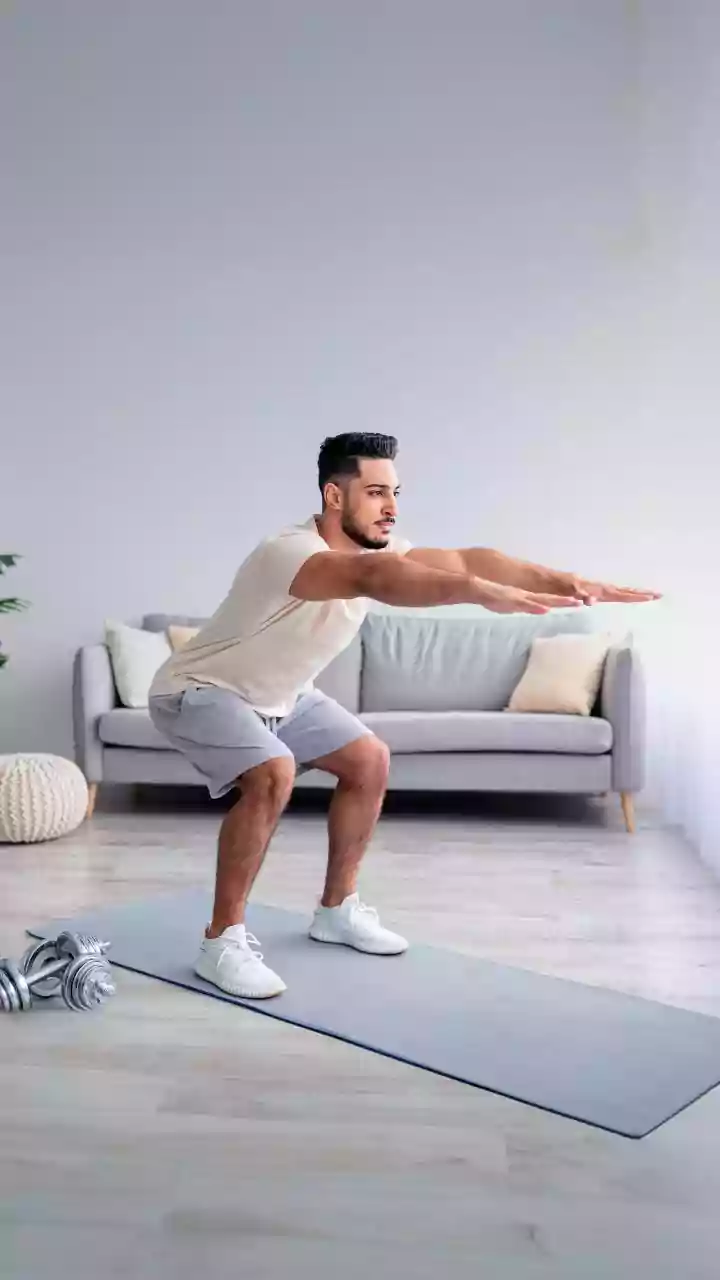
Ready to see what the hype is about? Here’s a simple, effective full-body circuit you can do right now. Perform each exercise for 45 seconds, followed by 15 seconds of rest. Complete the entire circuit 2-3 times. 1. Jumping Jacks: A classic warm-up to get your heart rate up. 2. Bodyweight Squats: Keep your chest up and back straight, lowering your hips as if sitting in a chair. A foundational move for leg strength. 3. Push-ups: Can be done on your knees or toes. This is a fantastic upper body and core strengthener. Focus on form over quantity. 4. Glute Bridges: Lie on your back with knees bent. Lift your hips off the floor until your body forms a straight line from your shoulders to your knees. Squeeze your glutes at the top. 5. Plank: Hold a straight line from your head to your heels, engaging your core. Avoid letting your hips sag or rise too high. 6. Lunges: Step forward with one leg and lower your hips until both knees are bent at a 90-degree angle. Alternate legs.
Getting Started The Right Way
Jumping into this trend is easy, but it’s important to do it safely. First, focus on consistency over intensity. A 15-minute workout three times a week is better than one exhausting hour that leaves you sore for days. Second, pay close attention to form. Watch videos from credible trainers multiple times. If possible, record yourself to check your posture. Most injuries come from poor form, not the exercise itself. Finally, listen to your body. Pain is a signal to stop, not to push through. The beauty of this movement is its variety. If you hate HIIT, try bodyweight strength training or a yoga flow. The goal is to find a routine you genuinely enjoy, because that’s the one you’ll stick with.