


Your Immediate First Steps
The moment you walk through the door with soaked shoes, the clock starts ticking. First, remove them and wipe off any surface mud or grit with a soft cloth. Next, take out the removable insoles and laces. This simple but crucial step allows air to circulate
more freely and ensures every part of the shoe, especially the moisture-trapping insoles, can dry separately and thoroughly. Loosen the tongue and open the shoe up as much as possible to maximize airflow from the very beginning.
The Newspaper Method: A Timeless Trick
There's a reason this classic method has been passed down for generations: it works. Crumple up old newspaper into loose balls and stuff them firmly into your shoes, all the way to the toe. Newspaper is highly absorbent, drawing moisture out from the shoe's interior while helping it maintain its proper shape. For extremely wet shoes, you may need to replace the damp newspaper with fresh, dry sheets every few hours to continue the absorption process. If you don't have newspaper, paper towels can also work. This gentle process is one of the safest for all shoe materials.
What to Avoid at All Costs
Resist the temptation to speed up the process with intense, direct heat. Placing wet shoes on a radiator, in front of a space heater, in an oven, or using a hairdryer can cause irreversible damage. High heat can crack and stiffen leather, melt the adhesives holding your shoes together, warp synthetic materials, and cause rubber soles to become brittle. This kind of damage is often permanent, turning a salvageable pair of shoes into a ruined one. Even direct sunlight should be avoided, as its UV rays can cause materials to fade and degrade over time.
Material-Specific Care
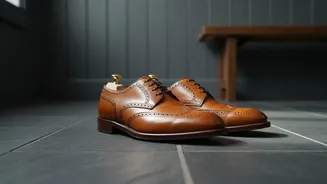
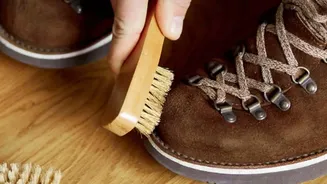
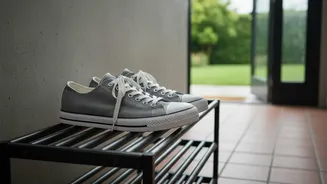
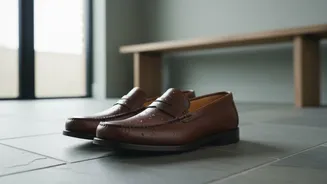
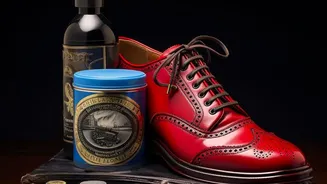
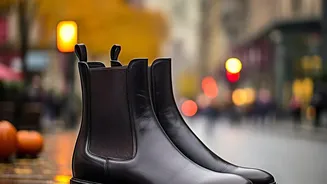
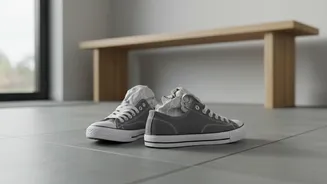
Different materials require slightly different approaches. For leather shoes, after stuffing them to dry slowly, they will need conditioning. The water strips essential oils from the leather, so applying a quality leather conditioner once they are completely dry is vital to restore flexibility and prevent cracking. For suede, the goal is to blot, not rub, away excess moisture with a clean cloth. Once completely dry, use a suede brush to gently restore the nap, or fuzzy texture. Canvas and synthetic shoes are generally more resilient but still benefit most from air drying and the newspaper method rather than direct heat.
Banishing Unwanted Odours
Trapped moisture is a breeding ground for odour-causing bacteria. If your shoes develop a musty smell after drying, baking soda is an excellent solution. Sprinkle a generous amount inside the dry shoe and let it sit overnight to absorb lingering odours and moisture. Simply tap out the excess powder in the morning. For persistent smells, you can also place unused tea bags or activated charcoal pouches inside your shoes when you store them. Cedar shoe trees are also a great investment, as they absorb moisture and have natural deodorizing properties.
Prevention Is Better Than Cure
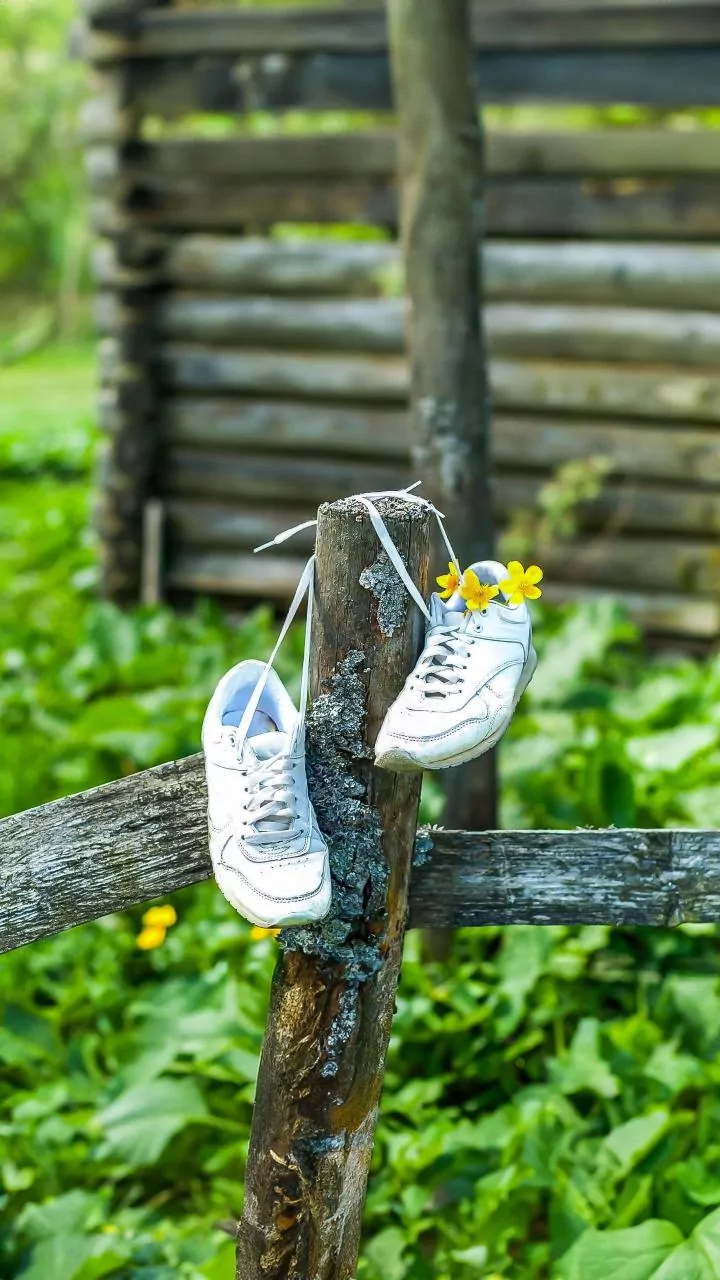
The best way to deal with wet shoes is to prevent them from getting soaked in the first place. Before the rainy season begins, consider treating your footwear with a suitable waterproofing spray. Different formulas are available for leather, suede, and fabric, creating a barrier that repels water. It's a small step that can save you a lot of time and effort later on. Also, try to rotate your shoes, giving each pair at least a full day to air out and dry completely after being worn, even if they don't feel wet. This prevents the gradual buildup of moisture that can lead to odours and material breakdown.