




The New 30-Day Visa Exemption Rule
Thailand has revised its visa policy for tourists from several countries, including India. Effective September 15, 2026, the previous 60-day visa-exempt stay has been discontinued. Indian passport holders travelling for tourism can now enter Thailand without
a visa and stay for a maximum of 30 days. This change is part of a broader overhaul of Thailand's entry regulations, which aims to streamline the system while still welcoming genuine tourists. It is important to note that this is a visa exemption, not a Visa on Arrival; Indian travellers will not need to queue or pay for a visa at the airport. The good news for most holidaymakers is that a 30-day period is generally sufficient for exploring Thailand's popular destinations.
Why the Change in Policy?
The adjustment from a 60-day to a 30-day stay is part of a strategic move by Thai authorities to manage tourism more effectively. The longer 60-day exemption, introduced as a temporary measure to boost tourism after the pandemic, was linked to a rise in foreigners overstaying or misusing the system for purposes other than tourism, such as working illegally. Officials have stated the revision is intended to support national security and economic objectives, reduce overlapping visa privileges, and encourage the use of the country's e-Visa system for longer stays. While India remains a crucial tourism market for Thailand, with nearly 2.5 million visitors in 2025, the new rule aims to curb exploitation of the system while maintaining a welcoming stance towards short-term visitors.
Essential Documents for Entry
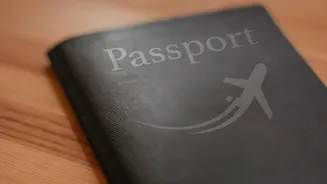
While a visa is not required for a 30-day trip, Indian tourists must have several key documents ready for immigration. First, your passport must be valid for at least six months from your date of arrival in Thailand. You should also carry proof of onward or return travel, confirmed hotel bookings, and a clear itinerary. Furthermore, visitors must fill out the Thailand Digital Arrival Card (TDAC) online, which can be done within 72 hours before arrival. Immigration officials may also ask for proof of sufficient funds. The specified amount is at least 20,000 Thai Baht (approximately ₹58,000) per person, which should be carried in cash. Having all these documents prepared will help ensure a smooth entry process.
Planning a Stay Longer Than 30 Days
For those who wish to explore Thailand for more than a month, the visa exemption scheme is not the correct route. If your travel plans exceed the 30-day limit, you must apply for an appropriate tourist visa before you leave India. The Royal Thai Embassy explicitly advises travellers planning longer stays to use the official Thai e-Visa system. While it is sometimes possible to apply for a 30-day extension at a local immigration office in Thailand, this is not guaranteed and comes at a cost. Therefore, securing the proper visa in advance is the safest and most reliable option for any trip lasting over 30 days. Travellers who have a job offer in Thailand are also advised not to use the visa exemption facility for entry.
What If You Arrive Before September 15?
The new rules are date-specific. Any Indian tourist who enters Thailand on or before September 14, 2026, will still fall under the old 60-day visa exemption scheme. The length of stay granted upon entry, which will be stamped in your passport, will not be reduced once the new policy comes into effect. The 30-day limit only applies to those arriving from September 15, 2026, onwards. This provides a clear cut-off and avoids confusion for travellers who had already planned their trips based on the previous 60-day allowance.