







An Enduring, Earthy Appeal
For centuries, cooking in earthen pots was not a choice but a way of life in India. This ancient practice was rooted in simple science: clay is porous, allowing heat and moisture to circulate evenly throughout the pot. This slow, gentle cooking process
helps retain the natural juices and nutrients of the food, which can be lost with high-heat metal cookware. The result is food that is more flavourful and aromatic, with a subtle earthy taste that modern pans cannot replicate. Beyond flavour, clay is alkaline, which helps neutralize the pH balance of acidic ingredients, making food easier to digest. It’s a return to a healthier, more mindful way of cooking that is resonating with a new generation.
A Modern Makeover Through Design
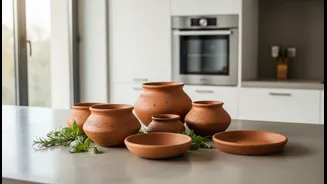
Today’s terracotta is not just about nostalgia; it’s about a sophisticated reimagining of a traditional craft. The headline-making trend is driven by thoughtful design collaborations between artisans and modern lifestyle brands. These partnerships are transforming the humble handi and kadhai into contemporary design objects. Brands like Terracotta by Sachii are working with heritage pottery clusters across India, co-creating functional products that are high on modern aesthetics. They are marrying the handcrafting skills of traditional artisans with contemporary design sensibilities to produce cookware that fits seamlessly into a modern home. This involves creating lighter forms, sleeker silhouettes, and ergonomic features that appeal to today’s urban consumer, all while preserving the craft's heritage.
Perfect for the Compact Urban Kitchen
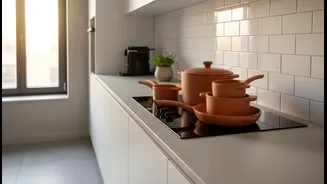
One of the biggest drivers of this trend is terracotta's surprising suitability for compact metro kitchens. In small apartments where storage is at a premium, multi-functionality is key. Many modern terracotta pieces are designed to go from the stovetop or oven directly to the dining table, eliminating the need for separate serving dishes. Their rustic and aesthetic appeal adds a touch of warmth and personality to the kitchen, turning functional items into decor. Some brands have re-engineered classic designs for modern convenience, with features like ergonomic handles that stay cool and lids designed for better steam retention. This blend of beauty and utility makes it a smart choice for urbanites looking to maximize their small space without sacrificing style.
Sustainability Meets Conscious Consumption
As consumers become more environmentally conscious, the appeal of terracotta has grown significantly. Made from natural clay, it is a biodegradable and eco-friendly alternative to synthetic non-stick pans, which can release chemicals and have a limited lifespan. Terracotta cookware is durable, and with proper care, it can last for years. This shift towards sustainable materials is a conscious rejection of throwaway culture. By choosing handcrafted earthenware, consumers are not only making a healthier choice for themselves but also supporting local artisan communities and helping to preserve ancient craft traditions that are at risk of disappearing. It’s a purchase that feels good, looks good, and does good.
Adopting the Art of Clay Cooking
Making the switch to terracotta requires a little know-how. It's essential to choose unglazed or lead-free glazed pots for cooking to ensure they are non-toxic. Before the first use, most clay pots need to be seasoned by soaking them in water for several hours and then letting them dry completely. This process strengthens the pot and prevents cracking. When cooking, it's best to start with a low flame and increase the heat gradually, as sudden temperature changes can cause the clay to crack. Cleaning is simple: use hot water and a gentle scrub brush. It is best to avoid harsh soaps, as the porous clay can absorb them. With a little care, these earthy vessels become a cherished part of the kitchen, enhancing every meal they create.