



The Unseen Risks in 'Normal Water'
In India, tap water is generally not considered safe for direct consumption, even by locals, due to potential contamination. This risk extends to the 'normal water' often served in restaurants. Unless the establishment uses a reliable purification system,
this water can contain bacteria, viruses, and other pathogens that may cause gastrointestinal issues, diarrhoea, or more severe illnesses like typhoid and hepatitis A. While regulations from bodies like the Food Safety and Standards Authority of India (FSSAI) mandate that all food businesses must use potable water meeting specific standards, enforcement can be inconsistent. In a recent move in Maharashtra, the Food and Drug Administration made it mandatory for all eateries to provide safe drinking water for free, highlighting the importance of this basic right.
Bottled, Filtered, or Tap?
When given the choice, the safest bet is always commercially bottled water from a reputable brand like Bisleri, Aquafina, or Kinley. Always check that the seal is intact before accepting the bottle, as refilling old bottles with tap water is a known scam. Many restaurants offer filtered water, often processed through RO (Reverse Osmosis) or UV (Ultraviolet) systems. This is generally safe to drink, especially in mid-range to high-end establishments that properly maintain their equipment. However, the term 'filtered' can be vague. If you are in a more casual eatery or have doubts, it is always wiser to opt for a sealed bottle. Never feel awkward about asking where the water comes from or insisting on a bottled option; it's a standard and sensible precaution for your health.
The Overlooked Danger of Ice
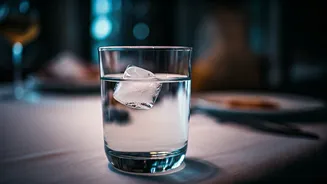
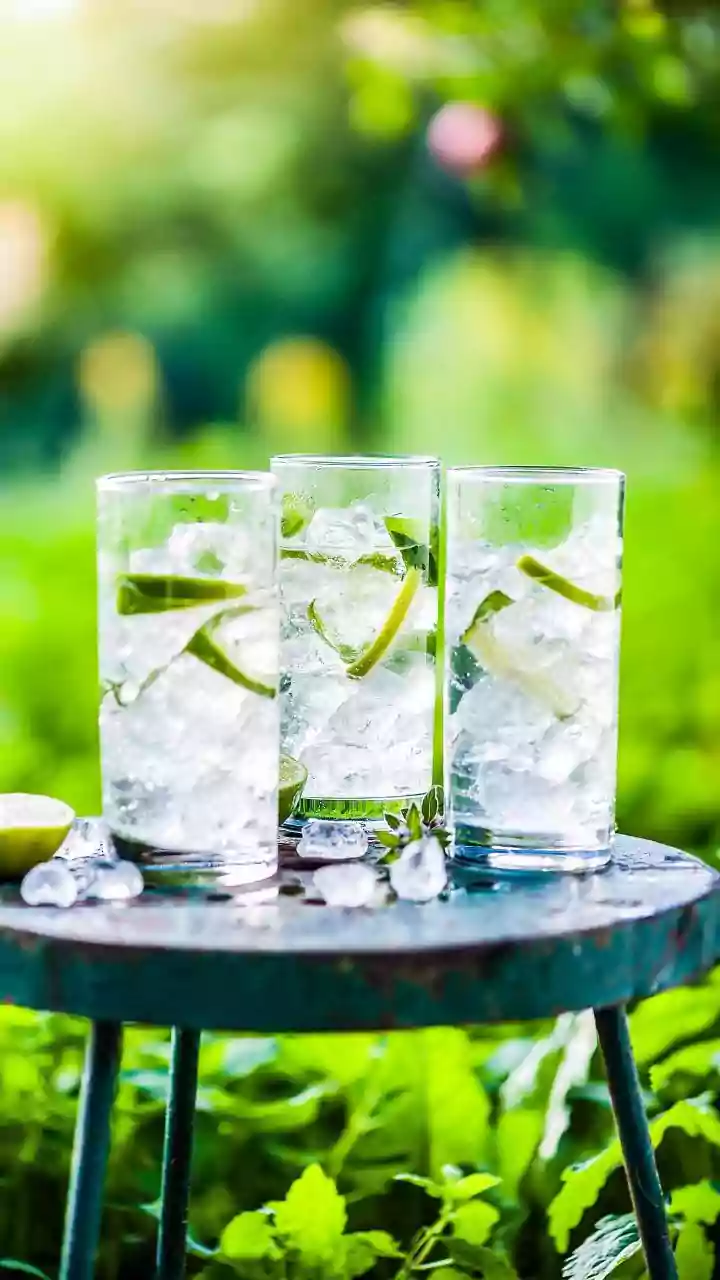
One of the biggest mistakes a diner can make is carefully ordering bottled water and then accepting a drink full of ice. Health experts warn that contaminated ice is a major, often overlooked, source of seasonal illness. Freezing does not kill pathogens like E. coli; it merely preserves them until they melt in your drink and enter your system. Ice is frequently made from untreated tap water, especially at smaller establishments or from unregulated suppliers. Studies have found high levels of contamination in ice samples from various vendors and even some restaurants. Unless you are in a high-end hotel or a restaurant that you trust to use purified water for their ice, the safest policy is to politely ask for your beverages without it.
Water Hides in More Than Just Drinks
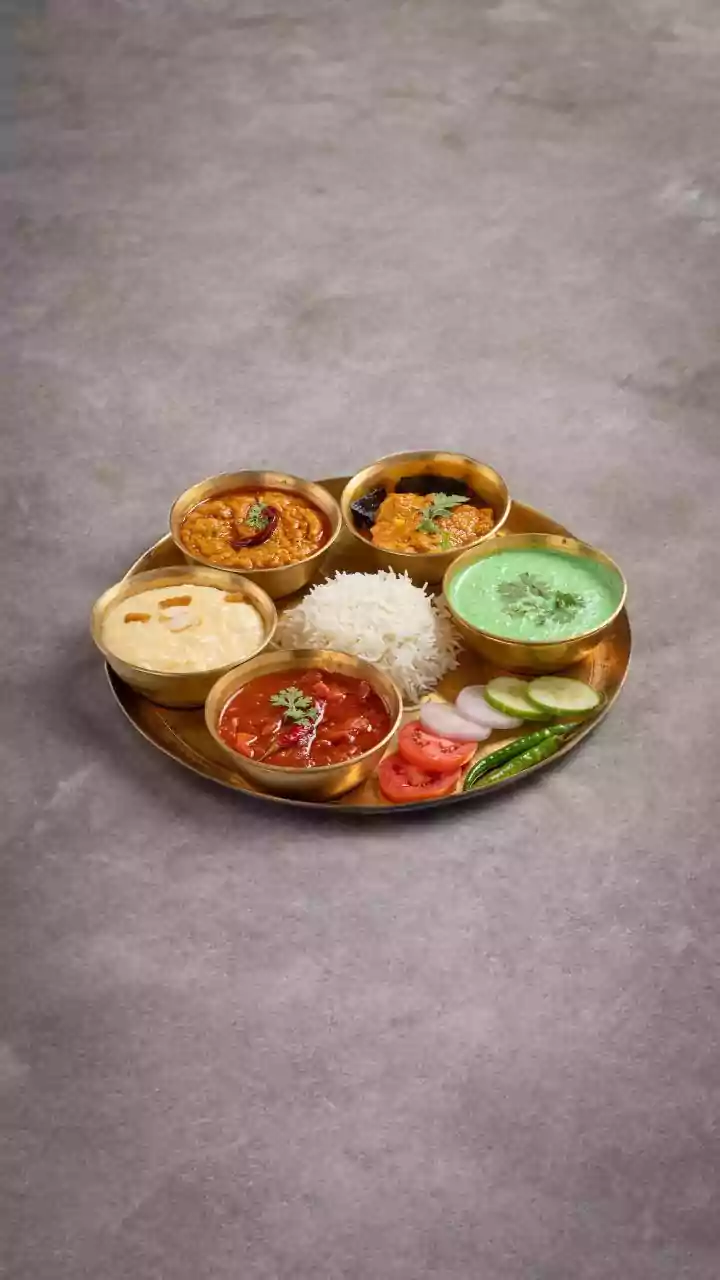
Your vigilance shouldn't stop at the drinking glass. Water is used in countless ways in a restaurant kitchen, and its quality affects everything. Raw salads, fresh chutneys, and garnishes like coriander are often washed with tap water, which can transfer contaminants to your food. This is why many experienced travellers advise sticking to fully cooked, hot meals, as the heat kills most harmful bacteria. When considering a restaurant, look for general signs of cleanliness. A well-maintained dining area and clean washrooms often indicate that the kitchen follows similar standards. A busy restaurant is also often a good sign, as high turnover suggests that ingredients, including water-based preparations, are fresh.
Making Smart, Not Fearful, Choices
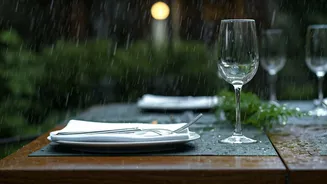
The goal is not to be fearful of dining out but to be an informed and empowered customer. You have a right to safe water. Legally, restaurants are obligated to provide free, safe drinking water and cannot force you to buy a bottle. Don’t hesitate to ask questions. Inquire if they use an RO filter. Check that cutlery and plates are dry, as wetness could be from a quick rinse in tap water. Carry hand sanitiser and use it before eating, as clean hands are your first line of defense against germs. By adopting a few simple habits, you can significantly reduce your risk of a foodborne illness and focus on enjoying the vibrant flavours of your meal.