






A Shift in the City's Tea Culture
Hyderabad and chai are inseparable. For generations, the city's pulse could be measured by the clinking of cups at crowded Irani cafés, where a thick, sweet brew is a cherished daily ritual. These iconic spots, from Nimrah Cafe near Charminar to the ever-popular
Cafe Niloufer, are institutions woven into the city's cultural fabric. But now, a new chapter is brewing. Alongside this time-honoured tradition, a different kind of tea house is emerging, capturing the imagination of a younger, contemporary crowd. These artisanal cafés are less about the quick, bustling energy of a traditional chai stall and more about slow, deliberate experiences.
The Allure of Ambiance and Aesthetics
A primary draw for these new-wave tea spots is the environment itself. Unlike the functional, no-frills setup of many beloved chai haunts, artisanal cafés offer thoughtfully designed, aesthetically pleasing interiors. With minimalist décor, comfortable seating, soft lighting, and an abundance of green plants, these spaces are crafted to be sanctuaries of calm in a bustling city. They function as what sociologists call "third spaces"—places away from home and work where people can relax, connect, and just be. For a generation fluent in the visual language of social media, the 'Instagrammable' nature of these beautifully curated spaces is a significant part of the appeal, turning a simple tea outing into a shareable moment.
An Exploration of Flavours
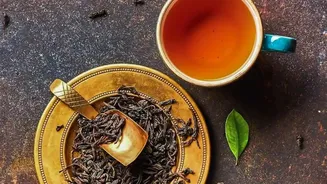
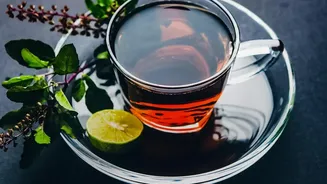
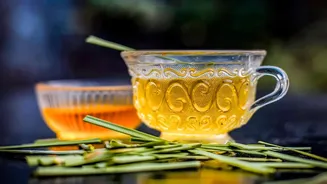
While the ambiance sets the stage, the tea itself is the star of the show. These cafés are moving beyond the standard CTC (Crush, Tear, Curl) chai to explore a world of specialty and artisanal brews. Menus feature single-estate teas from around the globe, from Chinese oolongs to Japanese matcha and classic Darjeelings. Patrons can discover exotic blooming teas, where dried flowers unfurl in hot water, or try creative house blends infused with flavours like hibiscus, rose, lavender, and orange cinnamon. Places like Burma Burma offer curated tea pairings with their food, transforming the drink into a sophisticated culinary experience. This focus on variety and quality caters to a growing curiosity among consumers who want to understand the origins and flavour notes of what they consume, much like the craft coffee or bean-to-bar chocolate movements.
Hubs for Work, Creativity, and Connection
The rise of remote and hybrid work has further fueled the popularity of these establishments. Offering free Wi-Fi and a serene atmosphere, artisanal tea cafés have become ideal spots for young professionals and freelancers to work for hours on end. Unlike the high-energy buzz of a coffee shop, the calmer environment of a tea lounge is conducive to focus and creativity. These spaces are also fostering a new kind of community. They serve as comfortable venues for everything from quiet reading and focused work sessions to lively conversations and collaborative meetings, becoming the new hubs for social and professional life in the city.
A Modern Nod to an Ancient Tradition
This trend isn't a rejection of Hyderabad's rich tea heritage but rather a modern evolution of it. While the Nizams popularized a sophisticated tea etiquette centuries ago, today's youth are redefining it in a contemporary context. The artisanal tea movement taps into a desire to connect with tradition while embracing global influences. It elevates tea from a simple daily habit to a mindful ritual and a form of self-expression. By offering a refined, experience-driven approach, these cafés are ensuring that the city's profound love for tea continues to thrive, finding new meaning and relevance with each new generation of drinkers.