





The Old Myth vs. New Science
The long-standing recommendation for protein intake has been a one-size-fits-all figure: 0.8 grams of protein per kilogram of body weight for all adults. This guideline was established to prevent deficiency in the general population. However, recent reviews
and expert panels are concluding that this amount is likely insufficient for older adults. New research suggests that people over 65 may need to consume 1.0 to 1.2 grams of protein per kilogram of body weight daily just to maintain their health. For those with chronic or acute illnesses, this recommendation can increase to 1.2 to 1.5 grams, and in some severe cases, even higher. This shift isn't about bodybuilding; it's about preserving strength, function, and independence in later life.
Why More Protein Is Crucial for Ageing
The primary driver behind this updated advice is the body's natural ageing process. As we get older, we experience sarcopenia, the progressive loss of muscle mass and strength. This condition can begin as early as our 40s and accelerates with age, increasing the risk of falls, frailty, and slower recovery from illness. Compounding this is a phenomenon called 'anabolic resistance'. This means an older person's muscles become less efficient at using the protein they eat to build and repair muscle tissue. To get the same muscle-building benefit that a younger person gets from a certain amount of protein, an older person simply needs a larger dose. Adequate protein intake is therefore essential to counteract these effects, support immune function, and maintain bone health.
So, How Much Protein Is Enough?
To translate these recommendations into real numbers, a healthy 70-kilogram older adult should aim for 70 to 84 grams of protein per day, a significant jump from the older guideline of 56 grams. For a person of the same weight managing a chronic condition, the target could be as high as 84 to 105 grams daily. Equally important as the total amount is how it's consumed. Spreading protein intake evenly throughout the day is more effective than loading up in one meal. Experts suggest aiming for 25 to 30 grams of protein at each main meal—breakfast, lunch, and dinner. This steady supply provides the constant stream of amino acids needed to trigger muscle protein synthesis and fight anabolic resistance effectively.
Simple Ways to Boost Your Protein
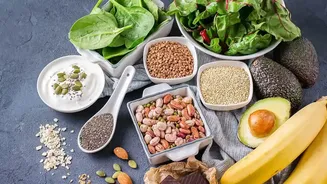
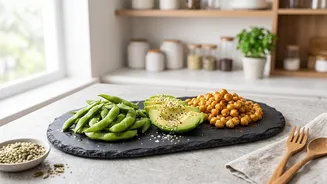
Meeting these higher protein targets doesn't have to be complicated. The key is to be intentional about including a protein source at every meal and snack. For non-vegetarians, sources like eggs, lean meat, fish, and poultry are excellent. For vegetarians, dairy products like paneer, Greek yoghurt, and milk are powerful options. Lentils (dal), chickpeas, beans, tofu, and nuts are also fantastic plant-based sources. Simple additions can make a big difference: add a scoop of cheese to your soup, snack on a handful of nuts, or incorporate a protein-rich yoghurt into your breakfast. If appetite is an issue, which is common in older adults, focus on eating the protein portion of your meal first. Combining these dietary changes with regular physical activity, especially resistance training, creates the most powerful strategy for preserving muscle and strength.