




The Soul of Simplicity
What is it about this simple concoction of gram flour (besan) and yogurt (dahi) or buttermilk that captures the heart of a nation? The magic lies in its fundamental simplicity and its incredible versatility. At its core, kadhi is a testament to culinary
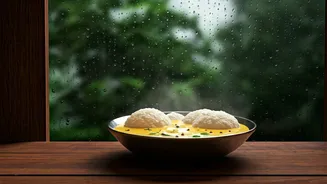
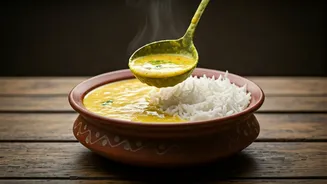
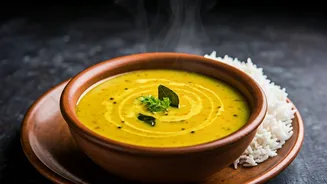
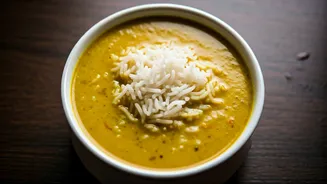
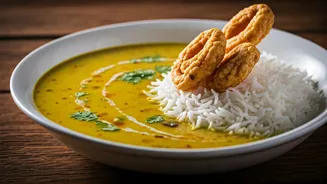
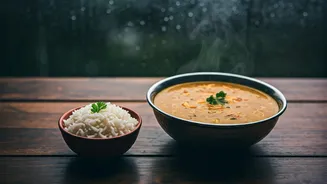
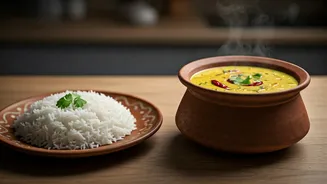
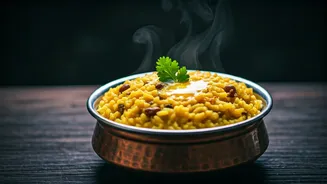
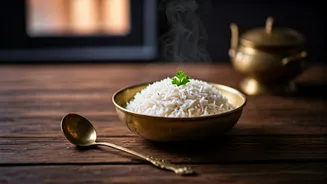
ingenuity — turning basic, everyday ingredients into something profoundly comforting. The slow-simmered, tangy yogurt base, thickened with besan and tempered with aromatic spices like mustard seeds, cumin, fenugreek, and asafoetida (hing), creates a flavour profile that is simultaneously complex and clean. Paired with fluffy, steamed rice, it becomes Kadhi Chawal, a complete meal that satisfies on a primal level. It’s the food of lazy Sunday afternoons, of quick weekday dinners, and the first thing many crave when feeling under the weather. It doesn’t demand your full attention; it simply nourishes and restores.
A Journey Across Regions
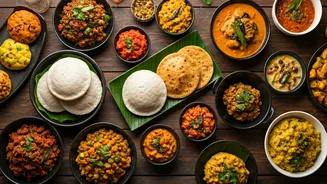
To say ‘kadhi’ is to speak of a vast and delicious family of dishes, each with its own regional dialect. The beauty of kadhi is that it’s not one dish, but many. In Punjab, the kadhi is thick, creamy, and spicy, often loaded with crispy besan fritters (pakoras) that soak up the tangy gravy. It’s a hearty, robust dish that feels like a celebration in itself. Travel west to Gujarat, and the kadhi transforms completely. Here, it is thin, light, and distinctly sweet, balanced with a gentle sourness and the warmth of ginger and green chillies. It’s a fluid, soupy accompaniment that perfectly complements a larger thali. The Rajasthani version, often served without pakoras, is sharper and spicier, designed to be eaten with bajra rotis or rice in the arid climate. Meanwhile, in Maharashtra, the ‘Takachi Kadhi’ is a lighter, buttermilk-based preparation, subtly flavoured with peanuts, curry leaves, and green chillies, often served as a digestive aid. Each variation is a reflection of its local palate, climate, and available ingredients, making Kadhi Chawal a delicious map of India’s culinary diversity.
A Healthful Indulgence
Beyond its comforting taste, Kadhi Chawal scores high on the wellness scale, something our grandmothers instinctively knew. The combination of yogurt and gram flour makes it a good source of protein and calcium. The fermentation in yogurt provides probiotics, which are excellent for gut health and digestion. Traditional preparations use spices like turmeric, known for its anti-inflammatory properties, and asafoetida, which aids in digestion and prevents bloating often associated with lentils and flour. It’s a light meal that doesn’t leave you feeling heavy, making it a perfect choice for lunch or a late dinner. In a world increasingly obsessed with superfoods and complex diets, Kadhi Chawal stands as a reminder that traditional Indian home cooking has always been rooted in principles of balance and wellness.
An Enduring Legacy in Modern Kitchens
Despite the influx of global cuisines and the rise of quick-service restaurants, Kadhi Chawal’s place in the Indian kitchen remains unchallenged. It represents a connection to roots, a taste of home that can be recreated anywhere. For students living away from family, it’s often one of the first ‘real’ meals they learn to cook. For busy professionals, it’s a quick, one-pot wonder that delivers maximum comfort with minimum fuss. It appears on the menu for religious festivals and family gatherings, but is just as welcome on a Tuesday night when you have nothing else in the fridge. This ability to be both special and utterly ordinary is the secret to its longevity. It’s a culinary heirloom, passed down through generations, evolving slightly with each cook but never losing its essential character.