


The Power of Scent Communication
For cats and dogs, the world is experienced primarily through their noses. Their sense of smell is vastly more powerful than ours, with dogs having up to 300 million scent receptors compared to a human's six million. This 'superpower' isn't just for finding
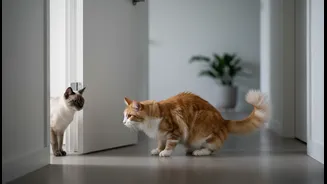
food; it's their main form of communication. Through scent, animals can learn about another's gender, health, mood, and more. A strange smell can signal an intruder and trigger fear or territorial aggression, which is why a face-to-face surprise meeting often leads to conflict. Scent swapping allows pets to 'meet' and gather this crucial information long before they ever see each other, setting the stage for a calmer interaction.
What is Controlled Scent Swapping?
Controlled scent swapping is the simple yet powerful process of exchanging items that carry your pets' unique smells. This allows them to become familiar with each other's presence in a non-threatening way. Instead of a sudden confrontation, they are introduced to the idea of a new housemate gradually. This method is based on a core principle of animal behavior: desensitization. By slowly and calmly exposing each animal to the other's scent, you reduce fear and anxiety, which are the primary drivers of aggressive behavior during introductions. The key is that each animal can investigate the new smell on their own terms, without the pressure of an immediate physical encounter.
A Step-by-Step Guide to Scent Swapping
First, ensure your new and resident pets are kept in completely separate areas of the home, with no visual contact. Each should have their own food, water, litter box, and bedding. Begin by taking a soft cloth or sock and gently rubbing it on one pet, focusing on their cheeks and sides where scent glands are concentrated. Place this cloth in the other pet's space for them to discover on their own. Do the same for the other pet. You can also swap bedding, blankets, or toys. Observe their reactions from a distance. Signs of curiosity, like sniffing the object calmly, are positive. Hissing, growling, or avoiding the item are signs they need more time. Repeat this process daily, swapping the items, until both pets show little to no reaction to the scents.
From Scent to Sight
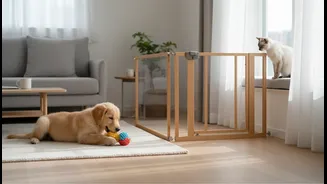
Only when both pets are consistently calm with the scent swapping should you proceed to the next step: visual introductions through a barrier. Use a baby gate or a slightly cracked door to let them see each other for very short periods. Keep these sessions brief and positive, offering treats and praise for calm behavior. This helps them build a positive association with seeing each other. If either pet becomes stressed, end the session immediately and go back to scent swapping for a few more days. The goal is to ensure every step forward is built on a foundation of calm acceptance, preventing the kind of panic that leads to fighting.
Common Mistakes to Avoid
The most common mistake is rushing the process. Every animal is an individual, and some will need more time than others. Never force an interaction or push your pets to meet before they are ready. Another error is misinterpreting their body language; watch for flattened ears, a stiff tail, or a frozen posture, which are all signs of stress. It's also crucial not to apply one pet's scent directly onto the other, as this can be highly stressful and counterproductive because the animal cannot escape the smell. The choice to investigate the scent must be theirs. Finally, don't let them 'work it out' on their own. Unsupervised introductions often reinforce fear and can lead to serious injury.