







A Shock to the System
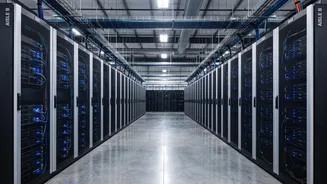
The core of the International Energy Agency's warning is a dramatic projection: by 2030, the world's data centres, cryptocurrency mining operations, and artificial intelligence networks could collectively consume over 1,000 terawatt-hours (TWh) of electricity.
This figure represents a doubling from their 2024 consumption levels. To put that number into perspective, 1,000 TWh is more than the current annual electricity consumption of entire industrialised nations like Germany or Japan. This rapid growth, which saw a 17% jump in electricity use in 2025 alone, is significantly outpacing the growth of overall global electricity demand. While data centres currently account for about 1.5-2% of global electricity use, their share is projected to climb to nearly 3% by 2030, placing unprecedented strain on energy grids worldwide.
The AI and Crypto Effect
What is driving this exponential surge? The primary culprits are the explosive growth of artificial intelligence and the persistent energy demands of cryptocurrency mining. The IEA attributes about three-quarters of the expected increase in electricity demand to the expansion of AI alone. Training and running complex AI models requires immense computational power, which translates directly to higher energy consumption. Servers built specifically for AI are a key factor, with electricity use from these 'accelerated servers' projected to grow by 30% annually. At the same time, cryptocurrency operations continue to be a significant, if volatile, energy consumer. This twin boom is fuelling a massive buildout of new 'AI factories' and data centres, with investments expected to exceed 700 billion dollars in 2026.
India's Digital Dilemma
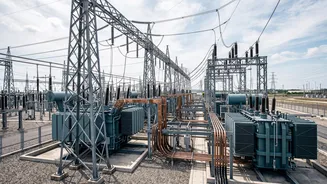
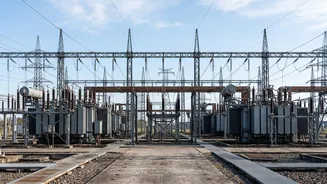
For a rapidly digitising nation like India, this global trend presents a unique and pressing challenge. The government's 'Digital India' initiative, combined with a booming startup ecosystem and one of the world's largest internet user bases, means the demand for data centre capacity is soaring. While the IEA's report focuses heavily on the US and China, which are expected to account for 80% of the growth, the ripple effects will be felt everywhere. A notable example is Southeast Asia, where demand is also expected to more than double by 2030. As India builds out its own digital infrastructure, it faces the critical task of powering this growth sustainably. Meeting this new demand without exacerbating pressure on the national grid or compromising climate goals will require significant investment in both energy generation and grid modernisation.
The Race for Efficiency
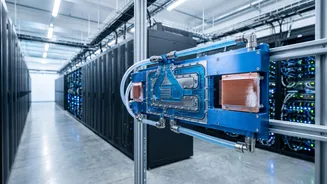
The forecast, while alarming, is not a foregone conclusion. The tech industry is acutely aware of the challenge and is in a race to innovate. Major tech companies like Google, Microsoft, and Amazon have become the largest corporate buyers of renewable energy globally. However, the IEA notes that this may not be enough. In the US and China, fossil fuels are expected to meet a significant portion of the new demand, with natural gas powering 60% of US data centre growth and coal fuelling half of China's by 2030. This has led to a projected 70% rise in carbon emissions from the sector. The search for solutions is pushing the industry to explore everything from more efficient hardware and advanced liquid cooling technologies to on-site renewable generation and even small modular nuclear reactors (SMRs). Improving the energy efficiency of the power infrastructure itself, such as uninterruptible power supplies (UPS) and power distribution units (PDUs), is also a critical focus.