



An Escape from the Crowds
The annual monsoon pilgrimage often involves predictable destinations, leading to jam-packed viewpoints and overrun cafes. For those seeking genuine adventure, the appeal of discovering a raw, untouched world is immense. Caving offers just that—an opportunity
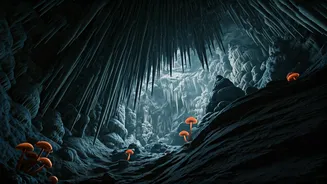
to step away from the familiar and into a realm of subterranean rivers, ancient rock formations, and profound silence. It’s a physically demanding and mentally stimulating activity that feels worlds away from a typical vacation. This shift reflects a broader trend in travel where people are prioritising unique experiences over passive sightseeing. Instead of just seeing a place, travellers want to interact with it, and descending into the earth is about as interactive as it gets.
The Monsoon's Subterranean Magic
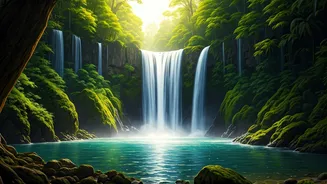
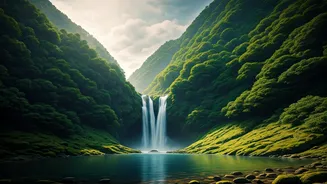
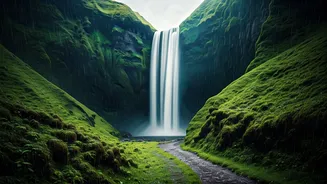
At first, caving during the monsoon might sound counterintuitive. Aren’t caves dark and damp already? But for enthusiasts, the rainy season enhances the experience. The trickling streams inside many caves swell into lively underground rivers, echoing through the caverns. Waterfalls that are dry for most of the year spring to life, creating stunning visual and auditory spectacles. Above ground, the landscape is transformed into a lush, vibrant green, making the journey to the cave entrance an adventure in itself. The cool, stable temperature inside a cave also offers a welcome respite from the humidity outside. While some caves may be off-limits due to flooding risks, many commercial and guided caves remain accessible, offering a unique perspective that’s only available during this time of year.
Where to Explore India's Underworld
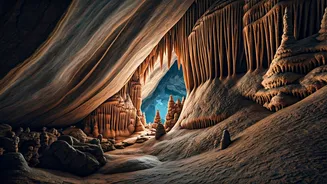
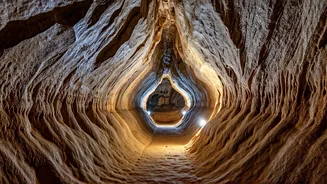
India is home to some of the most extensive and breathtaking cave systems in the world, with Meghalaya reigning as the undisputed capital of caving. The state boasts over 1,500 caves, including some of the longest and deepest in the subcontinent. For beginners, Mawsmai Cave near Cherrapunji offers a well-lit and relatively easy path to witness stunning stalactite and stalagmite formations. For a more rugged experience, guided tours to systems like Krem Liat Prah challenge even seasoned adventurers. Beyond the Northeast, the Belum Caves in Andhra Pradesh, the second-largest cave system in India, feature long passages, spacious chambers, and freshwater siphons. In the Western Ghats of Maharashtra, several smaller, lesser-known caves offer exciting weekend adventures for those in Mumbai and Pune, often combining caving with trekking through scenic monsoon landscapes.
Safety First: What to Know Before You Descend
Caving is an adventure sport with inherent risks, and safety should be your top priority. Never, ever attempt to explore a wild cave on your own. Always go with a certified local guide or a reputable adventure tour operator. They understand the local terrain, weather patterns, and potential risks like flash floods or unstable sections. Your gear is crucial. A good helmet and a reliable headlamp (with extra batteries) are non-negotiable. Wear sturdy, high-traction footwear that you don’t mind getting wet and muddy. Quick-dry clothing is preferable to cotton. It’s also important to be honest about your physical fitness. Most caving expeditions involve crawling, climbing, and navigating tight spaces. Finally, be mentally prepared. If you have severe claustrophobia, caving might not be for you. Start with a beginner-friendly tourist cave to see how you feel before committing to a more intense expedition.