



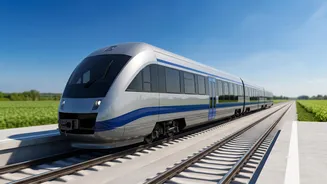
A New Era for Classic Routes
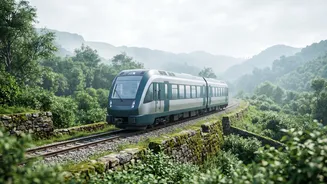
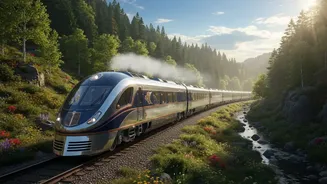
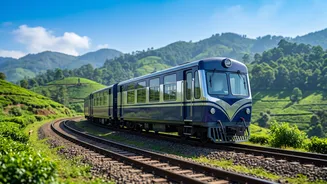
Indian Railways has launched the 'Hydrogen for Heritage' initiative, a visionary project aimed at transforming its iconic, narrow-gauge heritage routes into models of green transportation. The initial focus is on celebrated lines such as the Kalka-Shimla
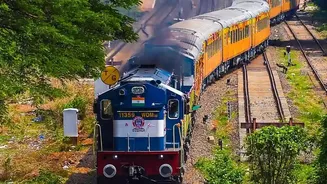
Railway, a UNESCO World Heritage Site, along with the Darjeeling Himalayan Railway and the Nilgiri Mountain Railway. These routes, currently served by diesel locomotives, are often located in ecologically sensitive areas where conventional electrification is challenging due to the difficult terrain and the need to preserve natural beauty. By retrofitting existing trains with hydrogen fuel cell technology, the Railways plans to eliminate carbon emissions entirely from these beloved tourist circuits, making the journey as clean as it is breathtaking.
How Do Hydrogen Trains Actually Work?
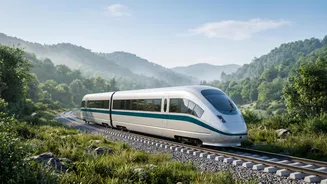
Think of a hydrogen train as a self-contained, rolling power plant that emits only water. The core of the technology is the fuel cell, which facilitates a chemical reaction between stored hydrogen and oxygen drawn from the air. This process generates electricity to power the train's motors, without any combustion or harmful exhaust. The only byproduct is pure water vapour, making it a zero-emission solution at the point of use. To handle peaks in power demand, such as during acceleration, these trains are also equipped with batteries that store excess electricity generated by the fuel cell, ensuring a smooth and efficient ride.
Learning from the Jind-Sonipat Pilot
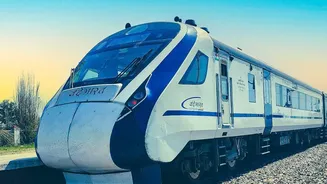
Before bringing this technology to the winding hill routes, Indian Railways has been conducting extensive trials on the plains. A prototype hydrogen-powered train began operating on the 89-kilometre Jind-Sonipat section in Haryana in mid-2026. This pilot project is crucial for testing the technology's performance, safety, and operational reliability under Indian conditions. Alongside the train, the country's largest railway hydrogen refuelling facility has been established at Jind, creating a complete ecosystem for the new technology. The experience and data gathered from the Jind-Sonipat line will be directly applied to the more complex challenge of deploying hydrogen trains on the heritage circuits.
The Road to a Greener Railway
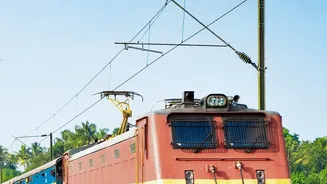
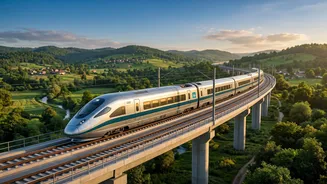
The 'Hydrogen for Heritage' project is a key component of Indian Railways' ambitious goal to become a Net Zero Carbon Emitter by 2030. While the organisation has already electrified over 90% of its broad-gauge network, many heritage lines and remote routes still rely on diesel. Hydrogen offers a clean alternative for these 'hard-to-electrify' sections. The initiative involves procuring 35 hydrogen trains and developing the necessary ground infrastructure, such as production and refuelling stations, on the designated routes. This move places India among a select group of countries, including Germany and China, that are pioneering hydrogen rail technology.
Challenges and the Path Forward
The journey to a hydrogen-powered future is not without its obstacles. The initial cost of both the fuel cell technology and the production of 'green' hydrogen (made using renewable energy) is currently high. Establishing a reliable and safe infrastructure for hydrogen production, storage, and refuelling along remote hill railway lines also presents a significant logistical challenge. However, officials anticipate that as the technology matures and more trains are brought into service, the costs will gradually decrease. The long-term benefits—energy independence, zero pollution, and the preservation of fragile ecosystems—are seen as a worthy investment in a sustainable future for one of India's most treasured legacies.