



Understanding the True Value of Your Old Gold
Before you even step into a jewellery store, it’s important to know what determines your gold’s worth. The value is based on two primary factors: its purity (measured in karats) and its weight. Pure gold is 24 karats, but most jewellery is made from 22K
(91.6% pure) or 18K (75% pure) gold for better durability. A jeweller will first test the purity of your ornament, often using an X-ray fluorescence (XRF) machine, to confirm its karat value. They will then weigh the item. The value is calculated based on the day's market rate for gold of that specific purity. Remember to ask for the valuation to be done in front of you for complete transparency.
Beware of Wastage and Melting Charges
Here is where the value of your old gold can start to diminish. Many jewellers apply deductions for 'wastage' or 'melting charges' on the old gold you bring in. Wastage charges are meant to cover the small amount of gold that is supposedly lost when an old piece is melted down and refined. This can range anywhere from 5% to as high as 25% depending on the jeweller and the intricacy of the design being melted. Some jewellers might present this as a straightforward melting fee or simply offer a lower per-gram rate for your old gold without explicitly mentioning a deduction. Always ask for a clear breakdown of any deductions being applied to the weight or value of your old jewellery.
The Impact of Making Charges on the New Piece
A common misconception is that an exchange is a simple swap. However, you will always have to pay the 'making charges' for the new piece of jewellery you select. These charges cover the cost of craftsmanship, labour, and design involved in creating the new item and are not recoverable when you sell or exchange jewellery. Making charges can be calculated as a fixed rate per gram or as a percentage of the new item's gold value, often ranging from 8% to over 25%. Intricate, handmade designs will attract much higher making charges than simpler, machine-made pieces. This is a significant cost that is added to your bill after your old gold's value has been credited.
What About Gemstones and Other Materials?
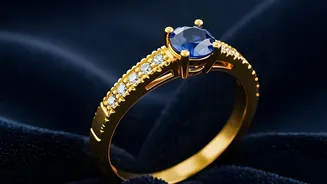
If your old jewellery contains diamonds, pearls, or other semi-precious stones, be aware that these are typically not valued fairly during an exchange. The standard practice for many jewellers is to remove the stones and weigh only the gold. In some cases, the weight of the stones is estimated and deducted from the total weight of the piece, and you may be offered a nominal or zero value for the stones themselves. This means you lose the value of any gemstones embedded in your old ornaments. Ensure you clarify how the jeweller will handle any non-gold components before you agree to the exchange.
The Final Calculation and GST
The final amount you pay is often more complex than expected. After the jeweller determines the final credit value of your old gold (post deductions), this amount is subtracted from the price of the new piece. The price of the new jewellery includes the gold value, its making charges, and any stone value. On top of this final bill, you must also pay Goods and Services Tax (GST). GST is applicable at 3% on the value of the gold and 5% on the making charges, which adds to your total out-of-pocket expense. Always insist on a detailed, itemised bill that clearly separates these components.
How to Get a Fairer Deal
To ensure you get the best possible value, don't settle for the first offer. Visit at least two or three reputable jewellers to compare their exchange policies and valuation methods. Ask directly about their policy on wastage and melting charges; some transparent retailers have 'zero deduction' policies. If you have the original invoice for your old jewellery, bring it with you to verify its weight and purity. Don't be afraid to negotiate, especially on the making charges for the new piece, as these can often be flexible. Being an informed and assertive customer is your best tool for a successful exchange.