


Start at the Source: The Washing Machine
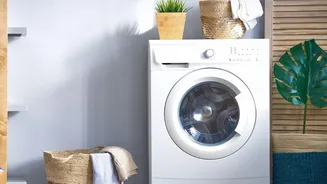
The journey to dry clothes begins before they even see a drying rack. One of the most common mistakes is not giving your laundry a good start in the washing machine. Leaving wet clothes sitting in the drum for hours, even before you hang them, allows
musty odours and mildew to develop. Make it a habit to remove your laundry as soon as the cycle finishes. For an extra advantage, use your machine's highest spin cycle. This wrings out as much excess water as possible, significantly cutting down on drying time later. A load that enters the dryer or goes on the rack already overloaded with water has a much lower chance of drying quickly.
Don't Overload Your Loads
It’s tempting to cram as much as possible into both the washer and the dryer, but this is a false economy. Overloading is a primary cause of damp laundry. When clothes are packed too tightly, neither water and detergent in the wash nor hot air in the dryer can circulate freely. This means some items may not get properly clean, and they certainly won't dry evenly. As a rule of thumb, you should be able to fit your hand vertically between the clothes and the top of the drum. For better results, also consider sorting loads not just by colour, but by fabric weight. Lighter items dry much faster than heavy ones like towels or jeans, and mixing them can trick a dryer's moisture sensor into stopping the cycle too early.
Master the Art of Airflow
Whether you use a dryer or a drying rack, airflow is your best friend. Trapped moisture is the enemy. Before hanging anything, give each item a good shake to remove creases and separate the fabric. When using a drying rack, space garments as far apart as possible to allow air to circulate between them. Avoid overcrowding the rack. Hanging clothes on individual hangers can also help, as it prevents the front and back of a garment from sticking together. If drying indoors, place your rack in a well-ventilated area, perhaps near an open window or with a fan pointed towards it to keep the air moving. Constant air movement is crucial for whisking moisture away and preventing that tell-tale damp smell.
The Towel Trick and Other Hacks
If you need to speed things up, a few simple tricks can make a big difference. For those using a tumble dryer, throwing a clean, dry towel in with the wet load can dramatically reduce drying time. The towel absorbs a significant amount of excess moisture, allowing the rest of the clothes to dry much faster. For air-drying, especially in humid climates, a dehumidifier is a game-changer. Placing a dehumidifier near your drying rack pulls moisture directly from the air, creating a drier environment that helps clothes dry more quickly and prevents dampness from lingering in the room. Even placing the rack in the sunniest or warmest spot in your home can help.
Check Your Dryer's Performance
If you consistently find your clothes are damp after a full dryer cycle, it might not be your loading technique but the machine itself. The most common culprit is restricted airflow due to a clogged lint filter or vent. A dryer works by pushing hot, moist air out, and if that pathway is blocked, the moisture has nowhere to go. First, clean the lint screen thoroughly after every single use. This simple step is often overlooked but is critical for performance. Next, check the vent hose behind the dryer for any kinks or blockages. If clothes are warm but still damp, it's a classic sign that heat is being produced, but moisture isn't being properly exhausted.