




Understanding the Monsoon Transformation
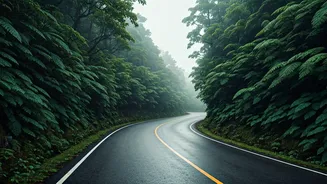
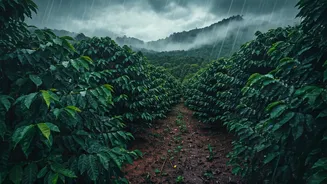
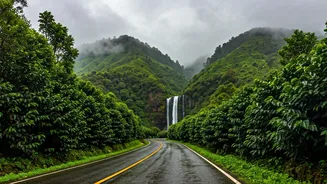
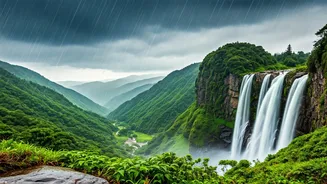
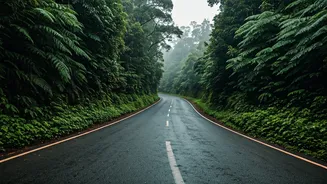
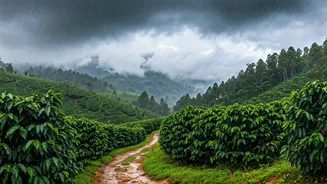
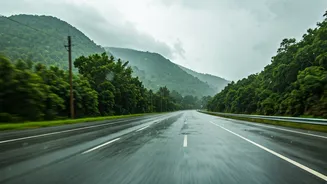
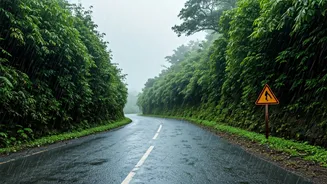
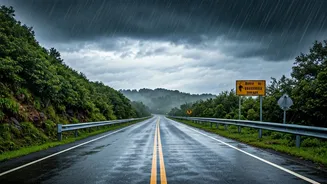
From June to September, Coorg receives immense rainfall, with July and August being the wettest months. This transforms the landscape into a lush, green spectacle but also introduces real risks. Roads become slippery, visibility can drop to near-zero
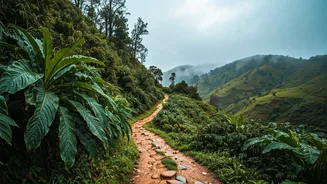
in heavy fog, and the continuous downpour saturates the soil, increasing the danger of landslides, especially in historically vulnerable areas. The district administration often issues travel advisories and may close access to certain tourist spots like waterfalls or trekking trails for safety. This isn't a season for a packed sightseeing itinerary; it’s for slow travel, appreciating nature's drama from a safe vantage point.
Smarter Planning Starts Before You Leave
A smart Coorg monsoon trip is planned with flexibility in mind. Before booking, check with your chosen homestay or resort about their power backup, as electricity cuts are common during storms. In the days leading up to your travel, monitor weather forecasts and official advisories from the Kodagu district administration. Be prepared to alter your plans. Roads, particularly ghat sections, can be blocked by fallen trees or landslides. Build buffer time into your travel schedule; a drive from Bengaluru that takes five or six hours in the dry season can easily stretch to eight in heavy rain. Night driving on these winding, poorly lit roads should be strictly avoided.
Pack for Safety, Not Just for a Holiday
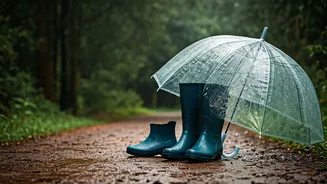
Your packing list for a monsoon trip to Coorg looks different. Waterproofing is non-negotiable: a good raincoat, waterproof footwear with excellent grip, and a dry bag for electronics are essential. Quick-dry clothing is far more practical than cottons that stay damp in the high humidity. Given the potential for road closures and power outages, a fully charged power bank, a basic first-aid kit, and any essential medications are crucial. And for anyone planning to even briefly walk through grassy or forested areas, be prepared for leeches. Carrying a small amount of salt or a sanitiser spray can help in removing them easily.
Choosing Your Monsoon Adventures Wisely
The biggest mistake travellers make is trying to replicate a summer itinerary in the monsoon. Many popular activities become unsafe. Waterfalls like Abbey and Iruppu Falls are majestic but their full force makes swimming or getting too close to the water dangerous. The rocks are extremely slippery. Similarly, many trekking trails may be officially closed or simply too treacherous. Instead, embrace the weather. Opt for a scenic drive during a break in the rain, but consider hiring a local driver who understands the roads. A visit to a viewpoint like Raja's Seat is less about a clear vista and more about watching the theatre of clouds and mist roll through the valley. The safest and often most rewarding experiences are found indoors, at a cosy plantation stay, savouring local Kodava cuisine, or simply reading a book by a window overlooking the rain-soaked coffee estates.
Be a Responsible and Respectful Visitor
Smarter travel is also responsible travel. The monsoon season is a fragile time for the local ecosystem. Stick to designated paths, do not litter, and avoid polluting water sources. The region has a history of devastating landslides, some exacerbated by unchecked construction and environmental stress. By being a low-impact tourist, you contribute to the preservation of the beauty you came to see. Support local businesses that remain open through the lean tourist season. Don't haggle excessively; many livelihoods depend on this period. Finally, don't rely solely on navigation apps like Google Maps, which may not have real-time information on road closures. Ask locals for directions and current road conditions; their knowledge is invaluable.