







A Vision Ten Years in the Making
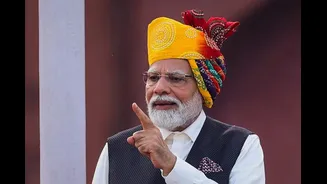
The aspiration to bring the Olympics to India is not new, but it has gained significant traction recently. Prime Minister Narendra Modi's vocal confirmation of India's intent to bid for the 2036 Summer Olympics has set a clear timeline for this national
goal. The proposed host city is Ahmedabad, Gujarat, which is already slated to host the 2030 Commonwealth Games. The plan is to leverage the Commonwealth Games as a stepping stone, testing the city's capabilities and showcasing its potential on a smaller, yet significant, international stage. This long-term strategy frames the Olympic bid not as a sudden impulse, but as the culmination of over a decade of planned development in sports and urban infrastructure.
The Infrastructure Question
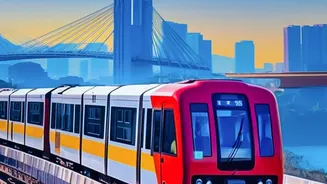
Hosting the Olympics requires a massive and sophisticated network of facilities. The heart of Ahmedabad's bid is the ambitious Sardar Vallabhbhai Patel Sports Enclave. This sprawling complex, anchored by the world's largest cricket stadium, is envisioned to house world-class venues for numerous Olympic sports, from athletics and aquatics to indoor arenas. The government has allocated significant funds and established a dedicated body, the Gujarat Olympic Planning and Infrastructure Corporation, to oversee this development. Beyond stadiums, readiness means upgrading city-wide infrastructure: expanding the metro, improving road networks, and ensuring enough accommodation for hundreds of thousands of athletes, officials, and tourists. While the blueprint is impressive, the challenge lies in executing these large-scale projects on time and without displacing local communities, a concern that has been raised in land acquisition discussions.
The Billion-Dollar Price Tag
The glamour of the Olympics comes with a staggering cost. Estimates for Ahmedabad's 2036 bid run into billions of dollars, with some reports suggesting a figure upwards of ₹64,000 crore ($7.5 billion). While proponents argue this investment will catalyse economic growth and create jobs, history offers a cautionary tale. Many host cities, from Rio to Athens, have been left with monumental debt and underused 'white elephant' stadiums. The key to avoiding this fate is a focus on legacy and sustainability. The plan for Ahmedabad includes using a mix of existing, new, and temporary venues, with a clear post-Games purpose for all permanent structures. Financial viability will depend on meticulous planning, private sector participation, and ensuring the infrastructure serves the community long after the closing ceremony.
From Talent Hunt to Medal Tally
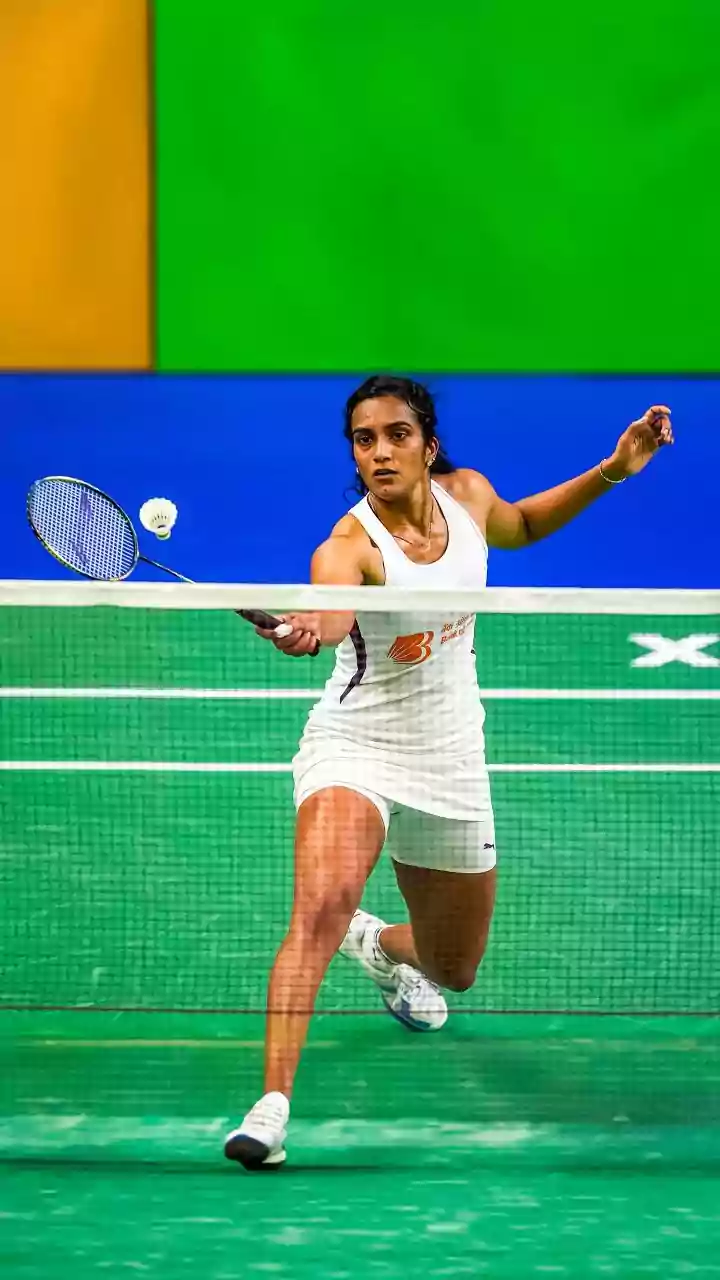
A host nation is expected to be competitive. Acknowledging this, PM Modi announced a nationwide talent hunt targeting children aged 5 to 15. The goal is to identify and nurture athletes in disciplines where India currently has little to no presence, aiming for participation in at least three-fourths of all Olympic events by 2036. This addresses a critical gap. While India's medal tally has improved, its success is concentrated in a handful of sports. Initiatives like the Khelo India Programme and the Target Olympic Podium Scheme (TOPS) are already working to build a broader sporting culture and support elite athletes. The new talent hunt aims to drastically scale up this effort, creating a pipeline that can produce a generation of world-class competitors a decade from now.