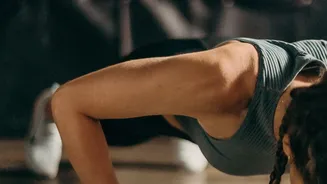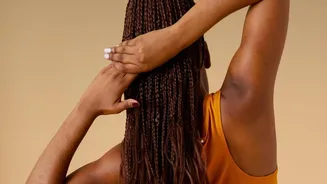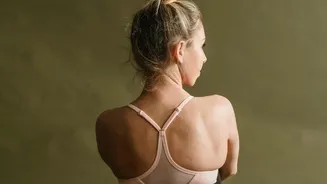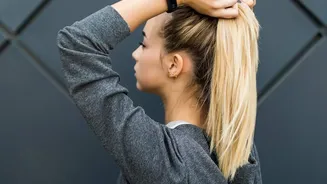


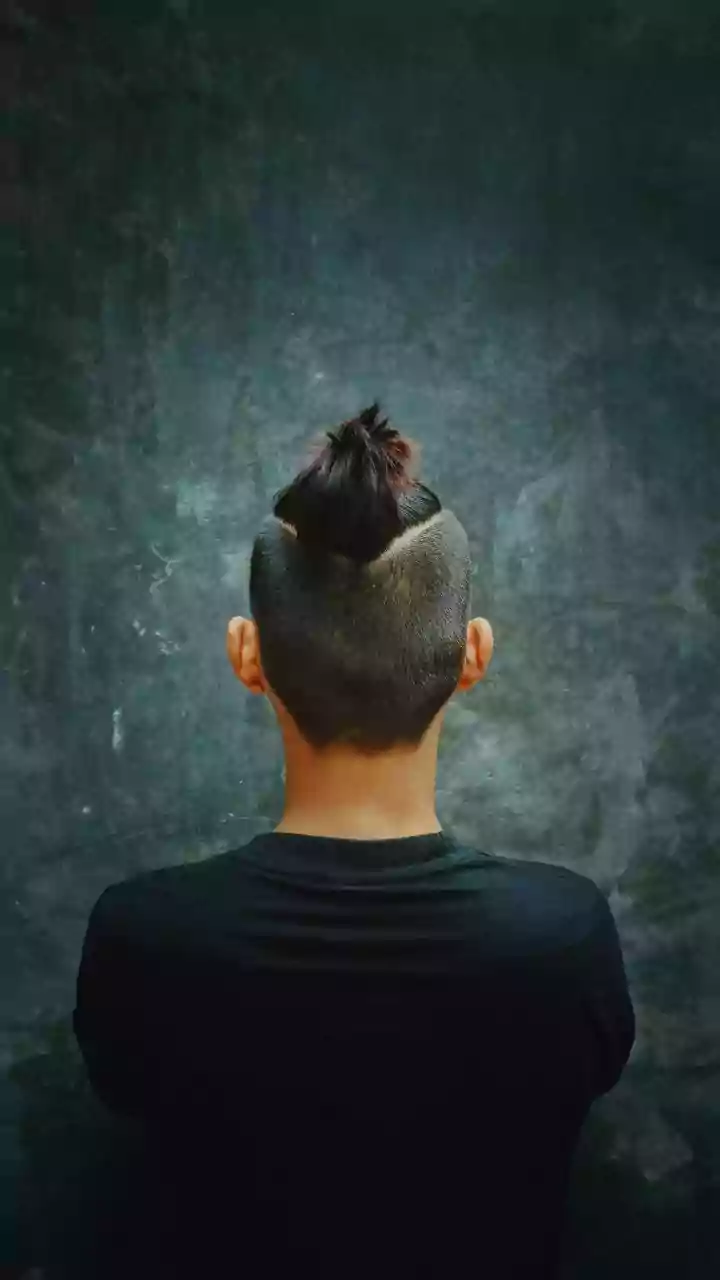

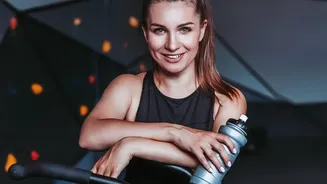
There’s nothing more distracting than strands of hair falling in your face during a downward dog or getting caught on your neck mid-sprint. For a workout to be effective, you need focus. Here is how to create a truly secure bun in minutes.
The Foundation: A Secure High Ponytail
The secret to
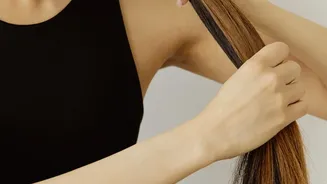
a bun that doesn't budge isn't the bun itself, but the ponytail it's built on. A loose base will doom your style before you even start twisting. Begin by brushing your hair to remove any tangles. For extra grip, especially on clean, silky hair, a light mist of texturizing spray or even dry shampoo can make a world of difference. Flip your head upside down and gather your hair at the crown. This height is key; a bun placed at the very top of your head is less likely to be disturbed by floor exercises or bench work. Secure the ponytail with a strong, high-quality hair tie. Don't be afraid to make it tight — not painfully so, but snug enough that it feels completely stable when you shake your head. If you have layers, this is the stage to smooth them back with a brush or a little water.
The Twist and Coil Technique
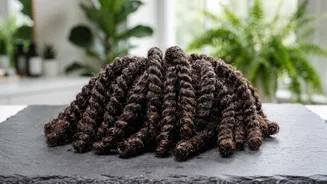
Once your ponytail is locked in place, the next step is to create a compact coil. There are a few ways to do this, but the most durable for a workout is the simple twist-and-wrap. Take the full length of your ponytail and begin twisting it firmly from the base to the ends, creating a single, tight rope of hair. The tighter you twist, the more compact and secure your resulting bun will be. After twisting, begin wrapping this 'rope' around the base of your ponytail. Keep the coil tight against your head as you wrap, laying each new rotation flat against the last. Continue until you run out of hair, making sure to tuck the very ends underneath the bun to keep them from unraveling. This method creates an even distribution of weight and tension, which is far more stable than a messy loop.
Lock It Down for Good
Now it’s time to secure your work. While you can use a second hair tie, bobby pins offer more targeted security and prevent the bun from feeling uncomfortably tight. The trick is in the placement. Instead of just pushing them in randomly, use a 'lock and anchor' technique. For each pin, catch a small piece of hair from the outer edge of the bun, then angle the pin down and push it into the base of the ponytail. It should feel like you're anchoring the bun to the hair on your scalp. Use at least four bobby pins, placing them at the top, bottom, left, and right sides — think north, south, east, and west. For thicker hair, you may need a few more. For those with very long or thick hair, another popular method involves splitting the ponytail into two sections, tying them in a knot, and then wrapping and pinning the ends.
Finishing Touches for a Bulletproof Hold
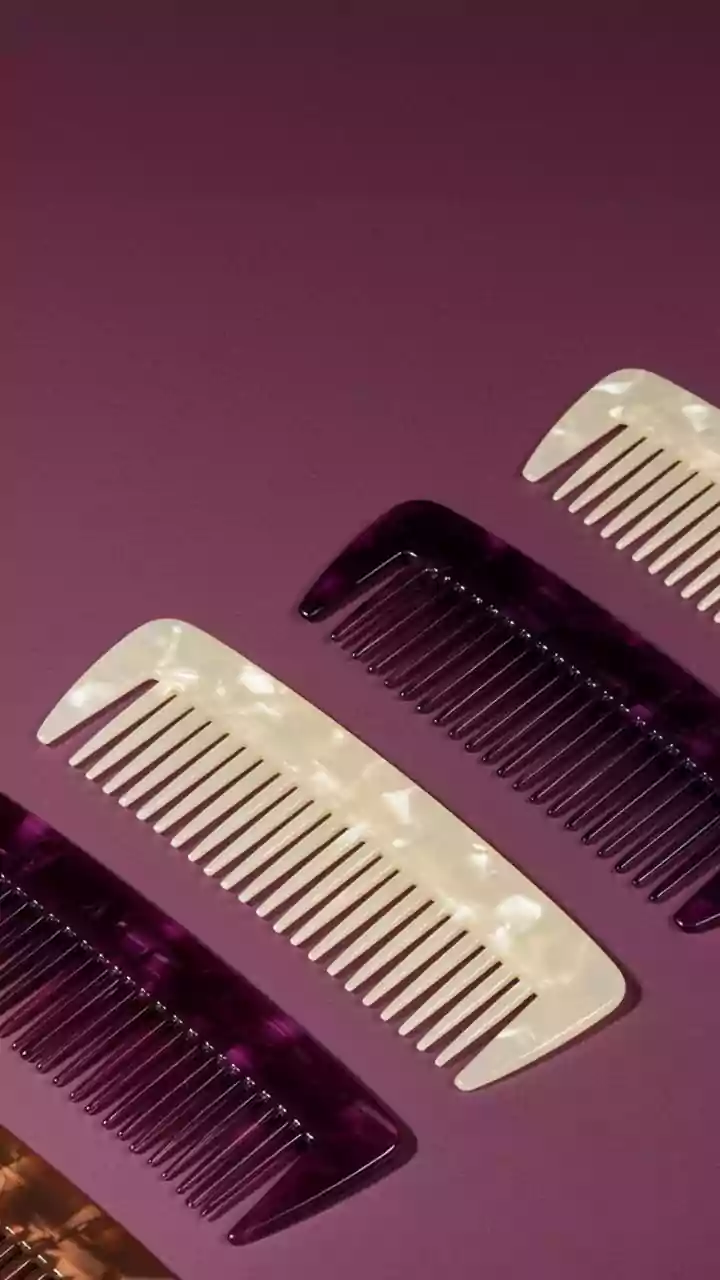
With the bun secured, a few final touches can ensure it survives burpees, box jumps, and everything in between. If you struggle with flyaways or baby hairs around your hairline, a headband can be your best friend. Slide it on to keep wisps off your face and absorb sweat. Alternatively, a light mist of a strong-hold hairspray can tame any rogue strands without making your hair feel stiff or sticky. If you have a few extra seconds, you can also use a fine-tooth comb and a touch of hair gel to smooth back the hair leading into the ponytail for an ultra-sleek look that looks polished both in and out of the gym. This not only looks intentional but also helps prevent the shorter hairs from working themselves loose during your session.
Why This Method Works So Well
This particular bun style is effective because it relies on structure rather than just a single elastic. The tight high ponytail creates a solid anchor point that won't sag. The twisting motion compresses the hair, making it dense and less prone to loosening. Finally, the strategic pinning distributes the hold evenly, preventing the dreaded slow collapse that happens with simpler loop-through buns. Unlike a 'messy bun,' which is designed for a looser, more casual look, this 'training bun' is engineered for function. Every step is about creating stability and minimizing movement, ensuring that once your hair is up, it's the last thing you need to think about until your workout is complete. It’s a style born from the needs of athletes and dancers who require hairstyles that perform under pressure.