

The Hidden Power of Polyphenols
Before we get into cooking methods, let's talk about what we're trying to preserve. Polyphenols are a group of beneficial compounds found in plants. Think of them as the plant's personal bodyguards, protecting them from environmental stress. When we eat
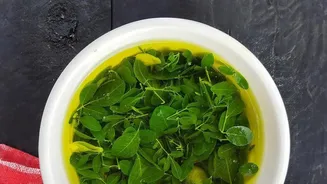
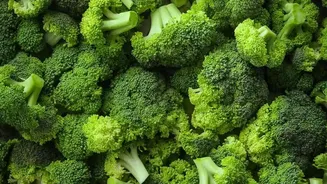
these plants, we inherit those protective benefits. These compounds act as powerful antioxidants in our bodies, helping to combat cell damage that can lead to chronic illnesses like heart disease and diabetes. They are a major reason why a diet rich in fruits and vegetables is so heavily recommended for long-term health. Green leafy vegetables, broccoli, and beans are packed with these valuable micronutrients. Preserving them during cooking is key to unlocking their full potential.
A Tale of Two Methods: Steam vs. Sizzle
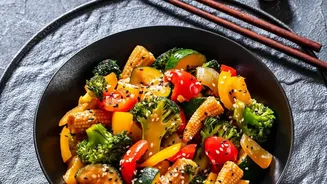
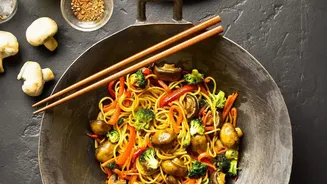
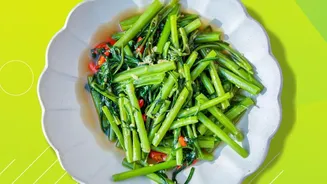
On the surface, quick steaming and stir-frying seem like two sides of the same coin—both are fast ways to cook vegetables. But their mechanisms are fundamentally different. Quick steaming involves cooking vegetables with hot water vapour, not letting them touch the water itself. This method is gentle, cooking the food without aggressive, direct heat. Stir-frying, on the other hand, involves cooking food in a thin layer of hot oil in a wok or pan. This method relies on high, direct heat to cook the vegetables quickly. While it can produce delicious, crisp results, this intense heat is where the problem for polyphenols begins.
The Science of Destruction: Heat Is the Enemy
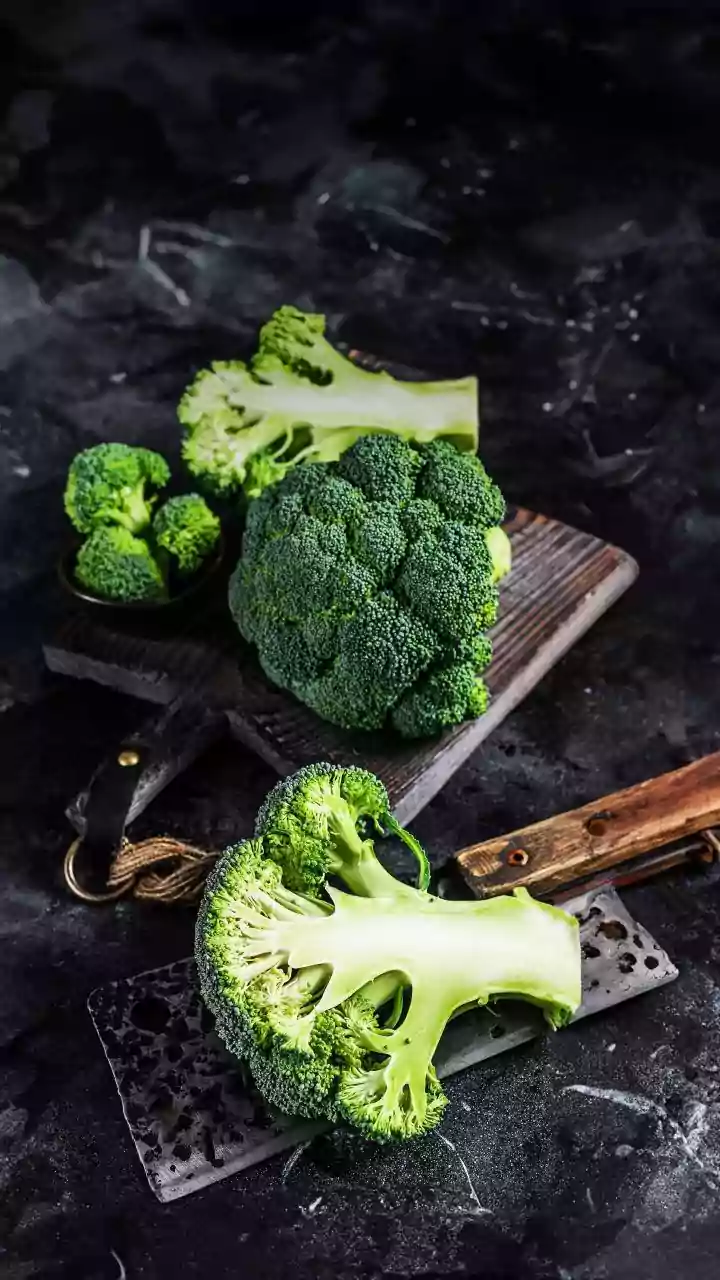
The core reason stir-frying is more destructive to polyphenols is the high temperature involved. Polyphenols are delicate, heat-sensitive compounds. Research shows they begin to degrade significantly at temperatures commonly reached during frying and sautéing, sometimes as low as 150-170°C. Studies have demonstrated that frying can cause substantial losses of polyphenols in vegetables like broccoli, with some research noting losses of 60% or more compared to steaming. Steaming, by contrast, uses the ambient temperature of steam (around 100°C), which is gentler on these fragile compounds. The longer the exposure to high heat, the greater the destruction, making a prolonged stir-fry particularly detrimental.
Is Stir-Frying Ever a Good Choice?
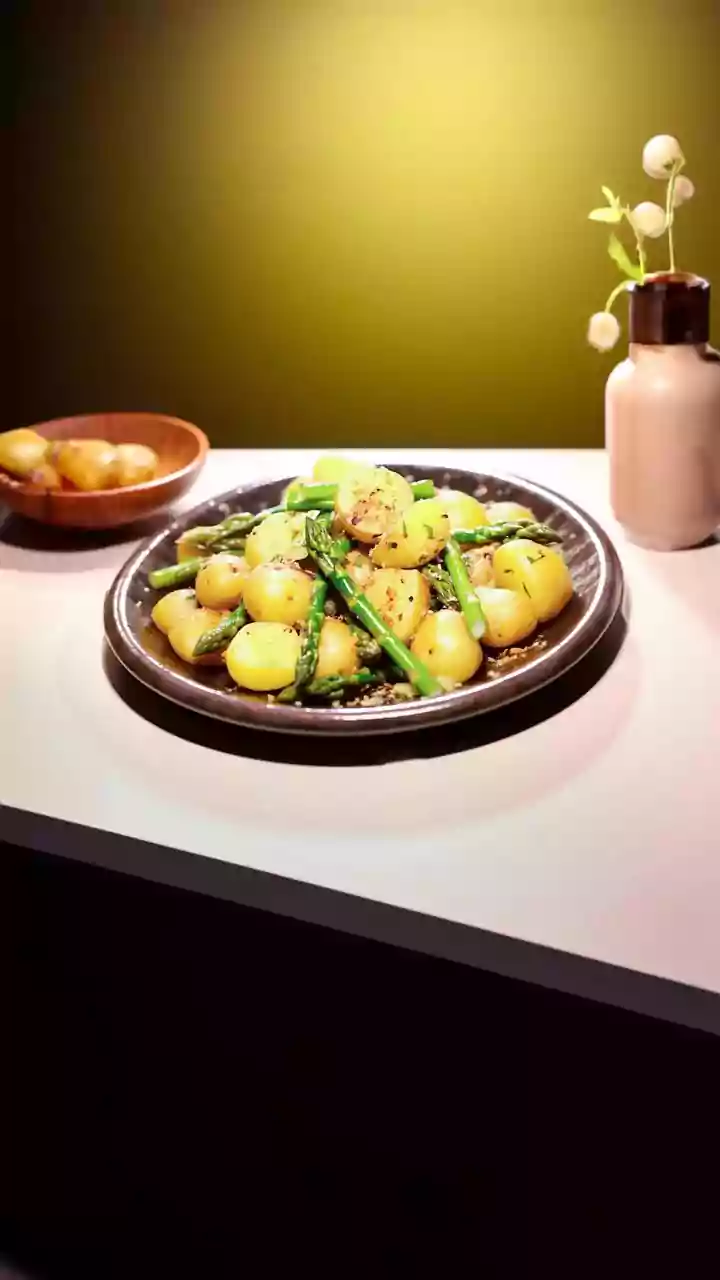
This doesn't mean you should banish your wok forever. The nutritional story is complex. While steaming excels at preserving polyphenols and many water-soluble vitamins, some nutrients are fat-soluble, like vitamins A, E, and K. Cooking with a healthy fat, such as in a light stir-fry, can actually help your body absorb these specific vitamins more effectively. Furthermore, some studies show that certain cooking methods, including light heating, can sometimes make polyphenols more available by breaking down the plant's cell walls, releasing the compounds. The key is moderation. A quick stir-fry over medium heat will be far less destructive than a long, high-heat session. The goal is to cook the vegetables until they are crisp-tender, not limp and overdone.
Getting the Most from Your Greens
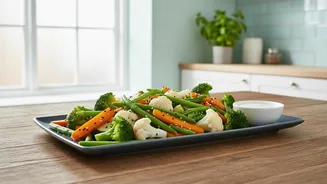
For maximum polyphenol retention, quick steaming is the clear winner. Studies on broccoli, for instance, have shown that steaming is the best method for preserving a wide range of its nutrients, including vitamin C and glucosinolates, another family of cancer-fighting compounds. To steam effectively, place vegetables in a steamer basket over a small amount of boiling water for just a few minutes until they are vibrant and tender. If you do choose to stir-fry, keep the heat moderate, the cooking time short, and don't overcrowd the pan, which can lower the temperature and effectively steam the vegetables in their own juices anyway. You can also try a hybrid method: lightly steam your veggies first, then give them a very quick toss in a pan with some healthy oil and seasonings for flavour.