







Why the Monsoon Magnifies Risk
The combination of high humidity, fluctuating temperatures, and moisture makes the rainy season an ideal environment for bacteria, viruses, and fungi to thrive. Contaminated rainwater and muddy soil can easily transfer harmful pathogens like E. coli and Salmonella
onto the surfaces of fresh fruits and vegetables. This damp environment not only encourages microbial growth on the produce itself but also causes food to spoil much faster. As a result, foodborne illnesses such as gastroenteritis, typhoid, and cholera become significantly more common during this period.
Vulnerable Vegetables and Fruits
While all produce requires care, some types are more susceptible to contamination during the monsoon. Leafy greens like spinach, cabbage, and lettuce are particularly vulnerable as their many layers can trap dirt, germs, and even tiny insects. Cruciferous vegetables such as cauliflower and broccoli, with their tightly packed florets, also offer hiding spots for contaminants. Raw sprouts are another high-risk item, as the warm, moist conditions they are grown in are also perfect for bacterial multiplication. Fruits with thin or porous skins and those that grow close to the ground also require extra attention.
An Essential Guide to Washing Produce
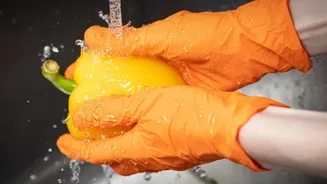
Proper washing is your first line of defence. The Food Safety and Standards Authority of India (FSSAI) emphasizes washing all produce thoroughly under clean, running water before cooking or consumption. For items like potatoes and carrots, use a vegetable brush to scrub away stubborn dirt. For leafy greens, it's best to separate the leaves and rinse them individually. A common and effective practice is to soak vegetables for 10-15 minutes in a solution of either salt water or a mixture of one part vinegar to three parts water; this helps dislodge germs and pesticide residues before a final rinse. Always ensure the water you use for washing and rinsing is potable and safe.
Smart Storage and Handling
Once cleaned, how you store your produce is just as important. Moisture is the enemy, so pat vegetables dry with a clean cloth or paper towel before storing them. Storing damp vegetables, even in the refrigerator, can promote mould and bacterial growth. It's wise to buy produce in smaller batches more frequently rather than stocking up for weeks. In the kitchen, prevent cross-contamination by using separate cutting boards and knives for raw vegetables and raw meats. Keep your refrigerator clean and ensure there's enough space for air to circulate, which helps keep food fresh.
To Cook or Not to Cook?
The safest way to consume vegetables during the monsoon is to cook them thoroughly, as heat kills most harmful microorganisms. This is especially recommended for leafy greens and sprouts. If you do choose to eat raw foods like salads or chutneys, it is absolutely critical that they are prepared with produce that has been meticulously washed using the steps above. Avoid pre-cut fruits and salads from street vendors, as the risk of contamination from unclean water or exposure to flies is high. A good middle-ground can be blanching or steaming vegetables, which can help reduce pathogens while retaining some crispness.