

The Key to Living Off the Land
For decades, establishing a moon base was a logistical nightmare. The primary obstacle was the staggering cost and difficulty of launching every necessary resource from Earth. Recent discoveries, however, have confirmed the presence of water ice in permanently
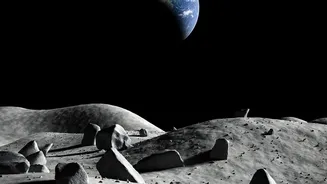
shadowed craters near the lunar poles. This confirmation is the cornerstone of a new strategy called In-Situ Resource Utilization (ISRU), which essentially means living off the land. Instead of packing everything, future lunar inhabitants can harvest and process local materials. Water is the most critical of these resources. Its availability transforms the challenge of a long-term lunar presence from a question of resupply to one of engineering and extraction. This shift allows scientists and engineers to design stations that are more self-sufficient, sustainable, and cost-effective.
More Than Just a Drink of Water
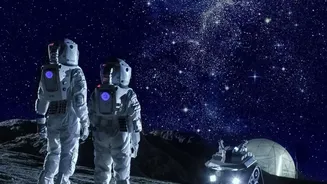
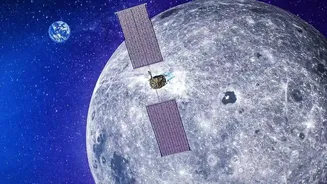
While providing drinking water is a vital function, lunar ice offers much more. Through a process called electrolysis, an electric current can split water molecules (H2O) into their constituent parts: breathable oxygen and flammable hydrogen. This means a moon station could generate its own breathable air for habitats and rovers, dramatically reducing reliance on heavy, pressurized oxygen tanks from Earth. This capability is a core component of plans for NASA's Artemis Base Camp, which aims to support astronauts for weeks or months at a time. Furthermore, the oxygen produced can be used to replenish life support systems, creating a partially closed-loop environment that is crucial for long-duration missions not just on the Moon, but eventually on Mars.
A Fuelling Station on the Moon
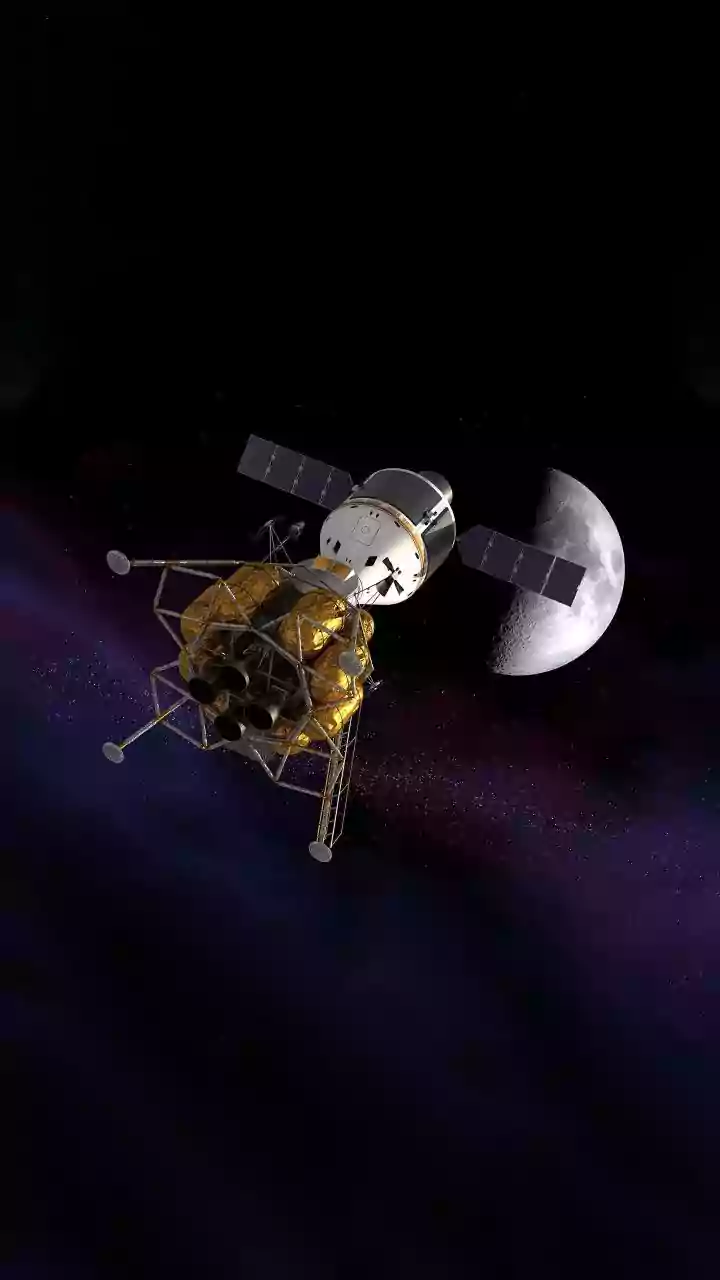
The hydrogen and oxygen created by splitting water are the most powerful chemical rocket propellants known. This opens the revolutionary possibility of turning the Moon into a deep-space refuelling depot. Missions heading further into the solar system, such as to Mars, could launch from Earth with less fuel, stop at the Moon to top up their tanks, and then continue their journey. This dramatically lowers the mass that needs to be lifted out of Earth's deep gravity well, which is currently the most expensive part of any space mission. This lunar “gas station” concept makes exploration more affordable and ambitious. The same hydrogen and oxygen can also be used in fuel cells to generate electricity, providing a reliable power source to survive the two-week-long, intensely cold lunar nights when solar power is unavailable.
Building Blocks and Radiation Shields
Beyond life support and fuel, water has direct applications in construction and safety. The lunar surface is constantly bombarded with dangerous solar and galactic cosmic radiation. Astronauts on long missions need effective shielding to protect their health. Water is an excellent radiation shield. Designers are now incorporating plans for habitat modules to be surrounded by an outer jacket filled with water harvested on-site. This provides a natural, effective barrier against radiation for the humans and any plants being grown inside. The ability to use local resources for construction and protection further reduces the payload that must be launched from Earth, allowing for more scientific equipment and larger living quarters.
The Hunt for Accessible Ice
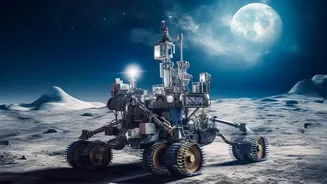
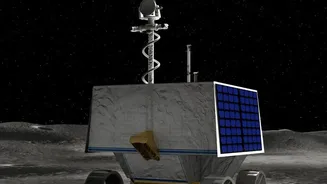
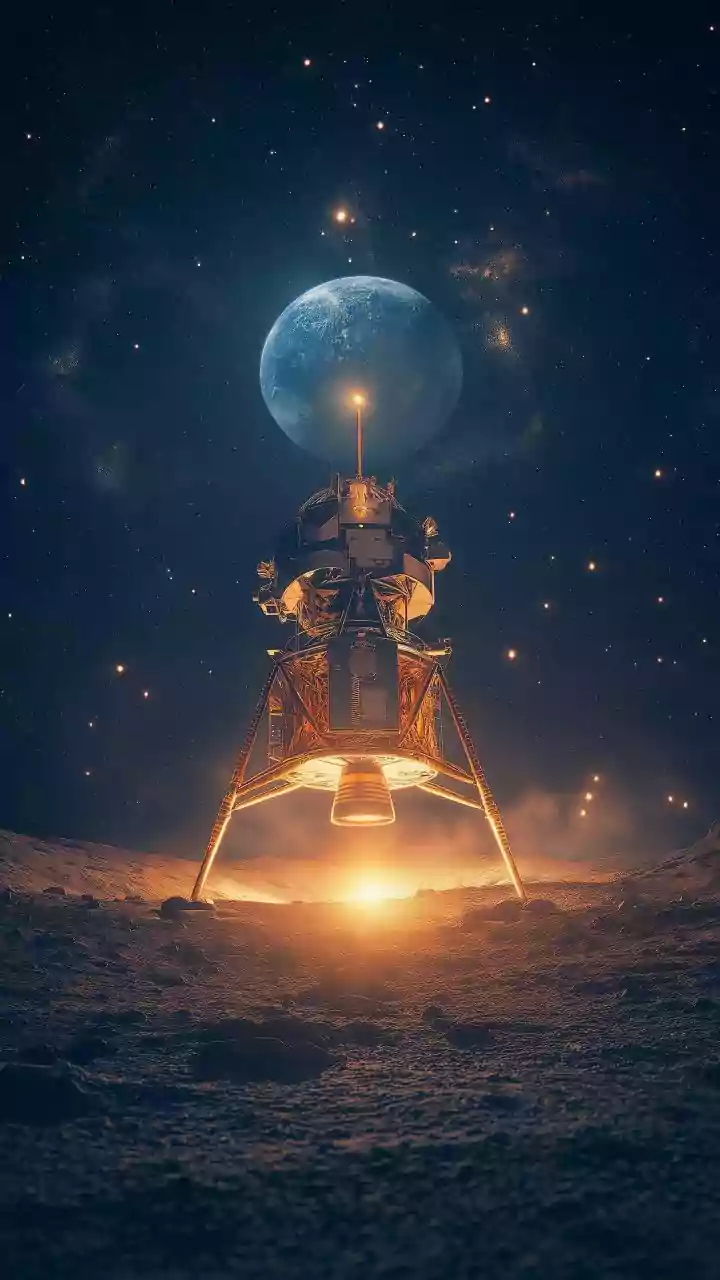
Knowing water exists is one thing; accessing it is another. Future missions are now being designed specifically to map these resources. NASA's VIPER rover, a golf-cart-sized robot, was developed to prospect for water ice at the lunar south pole. After being cancelled due to cost overruns, the mission has been revived in partnership with Blue Origin, with a planned launch in late 2027. VIPER is designed to drill into the lunar soil to understand the concentration and accessibility of the ice. At the same time, new techniques are being developed to find buried ice deposits using seismology—listening to how vibrations from moonquakes or rover drills travel through the ground. These prospecting missions are critical, as their data will determine the final location and architectural design of the first permanent human outpost on another world.