



The Bean-to-Bar Philosophy
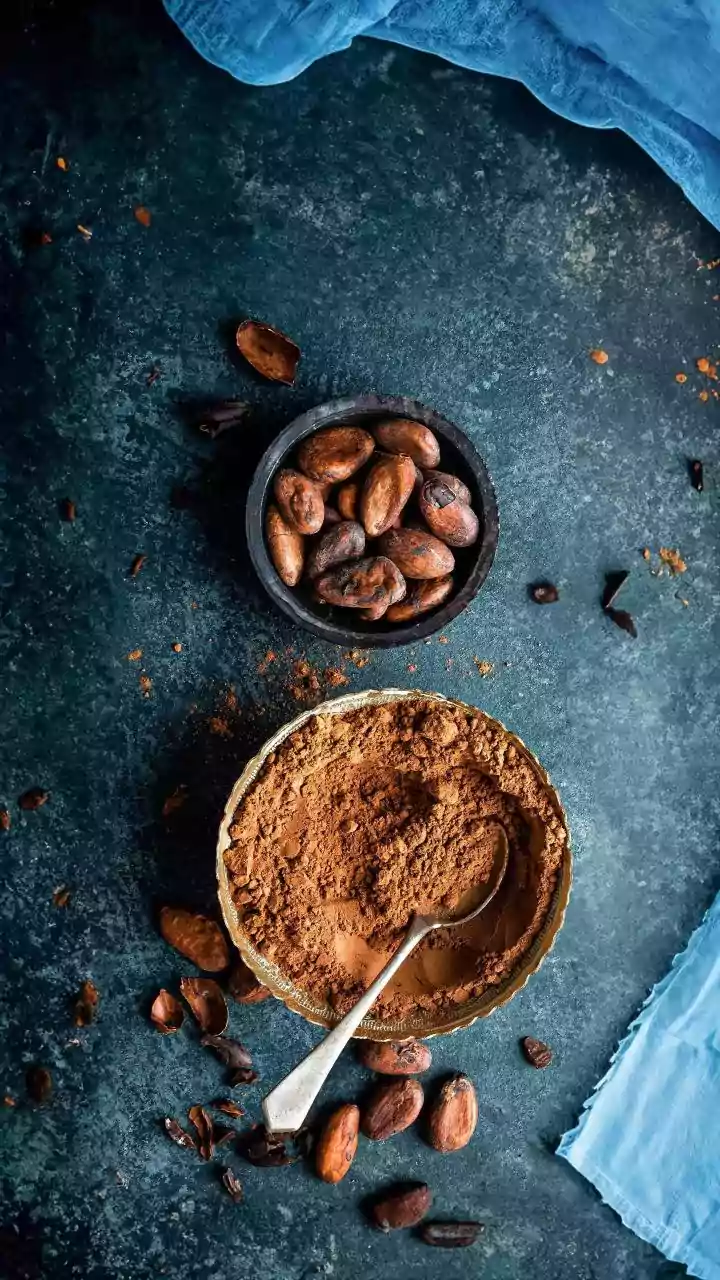
For decades, chocolate in India was synonymous with sweet, mass-market confections. The origin of the cocoa bean was an afterthought. The bean-to-bar movement changes that entirely. It’s an approach where the chocolatier controls every step of the process,
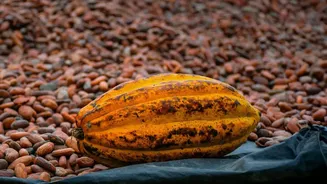
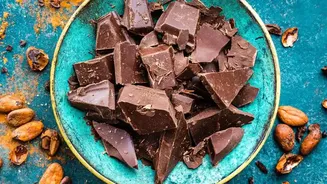
from sourcing the raw cacao beans directly from farmers to roasting, grinding, and moulding the final bar. This meticulous oversight allows makers to preserve the unique flavour profile of the beans, which, like wine grapes, varies dramatically based on where they are grown. It’s the difference between a generic, blended product and a single-origin creation that tells the story of its environment.
South India’s Cacao Connection
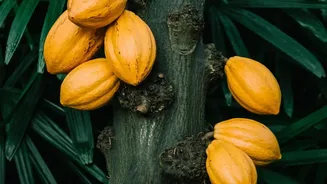
There's a reason this movement is centered in the South. The tropical climates of Kerala, Tamil Nadu, Karnataka, and Andhra Pradesh are ideal for cacao cultivation. While cacao was first introduced to India by the British in the late 18th century, it was in the 1960s that cultivation truly began to scale, largely to supply large confectionery companies. Today, those same cacao-growing regions are the heart of the artisanal boom. Brands work directly with farmers, often on the same land where spices like pepper and nutmeg or fruits like coconut and banana are grown. This practice of intercropping not only supports biodiversity but can also subtly influence the flavour of the cacao beans, giving them unique and complex notes.
A Celebration of Indian Terroir
What truly sets these South Indian brands apart is their celebration of 'terroir'—the unique taste of a place. The beans from Kerala might have citrusy notes, while those from Andhra Pradesh could be buttery and salty. Artisanal makers like Soklet, India's first tree-to-bar brand from Tamil Nadu, control the entire process from their own plantations to highlight these nuances. They are not trying to imitate Swiss or Belgian styles; they are creating chocolates with a distinctly Indian identity. This is evident in their innovative flavour pairings, which move beyond the predictable. Think filter coffee, masala chai, Bhut Jolokia chilli, candied ginger, and even unconventional notes like black garlic. Brands like Paul and Mike from Kerala have gained international acclaim for flavours like Alphonso Mango and Sichuan Pepper and Orange Peel, proving that Indian ingredients can lead on the world stage.
Pioneers of the Craft
Several brands are at the forefront of this movement. Mason & Co, based in Auroville, is known for its organic, vegan, and ethically sourced single-origin chocolates from farms across South India. Paul and Mike, with farms in Kochi and Coimbatore, have won global awards by marrying fine flavour cocoa with Indian fruits and spices. Soklet, from the Anamalai hills, showcases the potential of tree-to-bar production, managing everything from cultivation to the final bar and winning international awards for their beans. Other notable names include Bon Fiction in Andhra Pradesh, which sources from local farmers in the Godavari region, and Anuttama near Mangalore, a farm-to-bar company growing its own cocoa. These producers are united by a commitment to quality, transparency, and showcasing the best of Indian cacao.
More Than Just Chocolate
This new benchmark isn't just about flavour; it's also about ethics and sustainability. Many of these brands prioritize fair trade practices, ensuring farmers are paid a premium for their high-quality beans. They often use organic farming methods, avoiding chemical pesticides and promoting biodiversity. Some, like Chennai-based Kocoatrait, have even pioneered zero-waste and plastic-free packaging, using materials like reclaimed cotton and cocoa shells. By focusing on community, sustainability, and transparency, these chocolatiers are building an equitable supply chain that stands in stark contrast to the often-opaque practices of the global cocoa industry. This holistic approach—combining exceptional taste with strong values—is a core part of the new standard they are setting.