




From Farmer’s Fuel to Urban Elixir
For generations, Ambali was the lifeblood of farmers and labourers across South India, particularly in states like Karnataka, Andhra Pradesh, and Telangana. This simple, fermented porridge, most often made from ragi (finger millet), was the original energy
drink—a nourishing, cooling, and incredibly affordable meal that provided sustained power for a long day of physical work under the sun. Its slightly tangy, savoury flavour, usually enhanced with buttermilk, salt, and chopped onions, was a staple of rural life. Now, in a fascinating cultural shift, this once-modest dish is being rediscovered and celebrated, moving from rustic village kitchens to the curated menus of trendy city cafes, where it's being hailed as a homegrown superfood.
What Exactly Is This Ancient Superfood?
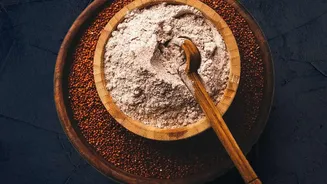
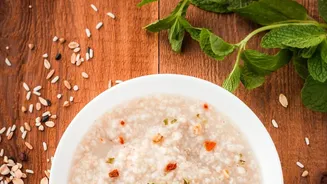
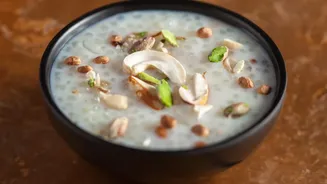
Ambali is fundamentally a simple concept with profound benefits. It begins by cooking millet flour—typically ragi, but sometimes others like foxtail or little millet—into a smooth porridge. The crucial step comes next: fermentation. The cooked porridge is left to sit, often overnight in an earthen pot, allowing natural, beneficial microbes to work their magic. This process not only gives Ambali its signature, mildly sour taste but is also the source of its incredible health properties. Traditionally served cool, it's a versatile dish; it can be enjoyed as a savoury drink thinned with buttermilk and seasoned with salt, chillies, and herbs, or as a sweeter porridge with a touch of jaggery.
The Gut-Friendly Power of Fermentation
The resurgence of Ambali is directly tied to the growing global obsession with gut health, and for good reason. The fermentation process transforms the millet into a probiotic powerhouse, teeming with live bacteria that support a healthy digestive system. These probiotics can improve digestion, boost immunity, and enhance the overall diversity of our gut microbiome. But the benefits don't stop there. Fermentation also breaks down 'anti-nutrients' like phytic acid found in grains, which can hinder mineral absorption. This means that the abundant calcium, iron, and other essential minerals in ragi become more bioavailable, allowing your body to absorb them more effectively.
Why the Comeback Now?
Ambali's journey to urban fame isn't accidental. It's the result of a perfect storm of cultural and wellness trends. The UN's declaration of 2023 as the 'International Year of Millets' sparked a nationwide movement to revive these ancient, climate-resilient grains that had been overshadowed by rice and wheat. This 'millet revolution' encouraged consumers and chefs to look back into India's own culinary pantry for answers. Simultaneously, as urban Indians become more health-conscious, there's a growing demand for authentic, local alternatives to exotic and often expensive superfoods. Ambali fits the bill perfectly: it's natural, nutrient-dense, rooted in Indian tradition, and delivers the probiotic benefits many are seeking.
A Modern Twist on Tradition
To appeal to a new generation of health-conscious consumers, urban cafes are giving Ambali a modern makeover. While respecting its traditional roots, they are presenting it in more contemporary ways. Forget the simple steel tumbler; today's Ambali might arrive in a chilled glass, garnished with fresh mint, or even infused with subtle new flavours. This stylish presentation makes the ancient drink more approachable and Instagram-worthy, bridging the gap between ancestral wisdom and modern aesthetics. It's a sign that traditional Indian food is not just being preserved but is evolving, finding a confident and relevant voice in the 21st-century wellness conversation.