





The New Reality of Monsoon Travel
The 2026 monsoon season is proving to be particularly intense, with widespread, heavy rainfall causing significant challenges across the country. In late July, a deep depression over central India triggered red alerts for extremely heavy showers in states
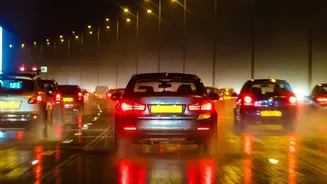
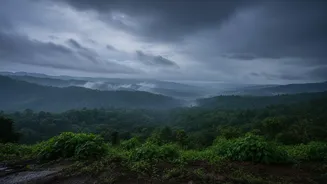
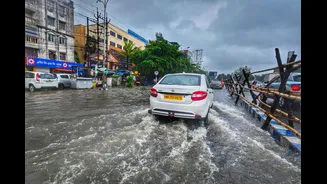
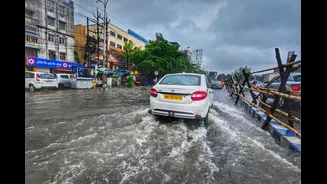
like Odisha and Chhattisgarh, with orange alerts issued for several others, including Delhi-NCR, Uttarakhand, and Himachal Pradesh. This severe weather has already had dire consequences. In mid-to-late July, torrential rains led to deadly flash floods and landslides in northern and northeastern states. Jammu and Kashmir, Nagaland, and Assam reported multiple fatalities as roads were washed away and villages were submerged. These events underscore a critical point for travellers: the weather is not just a minor inconvenience; it's a major safety factor. Conditions can change rapidly, turning a planned scenic drive into a hazardous situation with little warning.
How to Read IMD's Colour-Coded Alerts
The India Meteorological Department (IMD) uses a simple colour-coded system to communicate the severity of expected weather. Understanding this is the first step to making informed travel decisions. A 'Green' alert means 'All is well' and no advisory is in effect. A 'Yellow' alert means 'Be Aware'; it indicates that weather conditions could worsen and asks the public to stay updated. An 'Orange' alert means 'Be Prepared'. This is a warning for extremely bad weather that has the potential to disrupt transport, power, and daily life. For travellers, an orange alert is a signal to reconsider plans, especially if heading to hilly or remote areas. The highest level is a 'Red' alert, which means 'Take Action'. It is issued when severe weather is imminent and poses a significant risk to life and property, often leading to widespread travel disruption. Travelling to or through a red-alert zone is highly discouraged.
Your Official Digital Weather Toolkit
Gone are the days of relying on anecdotal weather advice. The IMD provides several official, free-to-use mobile applications that deliver accurate and timely weather information directly to your phone. These are essential tools for any modern traveller in India. The primary app is 'Mausam', which provides current weather information, forecasts for the next seven days, and radar images to track rain. It offers location-specific alerts for impending severe weather. For those concerned about thunderstorms, the 'Damini' app gives specific alerts for lightning strikes within a 20 km to 40 km radius. Another useful tool is the 'Meghdoot' app, which, while aimed at farmers, gives district-wise advice related to weather conditions. Finally, the 'UMANG' app, a general-purpose government services app, also integrates IMD forecasts and warnings. Having these apps allows you to access official data, bypassing misinformation.
Putting the Forecast into Practice
Getting the forecast is only half the battle; the next step is acting on it. If an orange or red alert is issued for your destination or route, it's time to be proactive. First, check state-specific disaster management authority websites, which often provide real-time updates on road closures and local conditions. For travel in hilly regions, which are especially vulnerable to landslides, always have a backup plan. This could mean having an alternative route mapped out or being prepared to delay your travel by a day or two. It is also wise to call your hotel or local contacts at your destination to get a ground report. They can provide invaluable information about localised waterlogging, road blockages, or other issues not always covered in a regional forecast. Never attempt to cross flooded roads or bridges, as the depth and current can be deceptive. Prioritising safety over sticking to a rigid itinerary is the most important travel decision you can make during an active monsoon.