







That crisp, cold air on a winter day feels refreshing, but it comes with a hidden health risk. Your body loses significant moisture in the cold, often without the usual warning signs, making winter dehydration a surprisingly common issue.
The Breath You Can See
One of the most
visible signs of moisture loss in winter is also one of the most overlooked: seeing your breath. That cloud of vapour you exhale into the cold air is water leaving your body. Cold air holds significantly less moisture than warm air. When you inhale, your lungs must warm and humidify this dry air before it can be used. Upon exhaling, this warmed, moisture-rich air hits the cold and condenses, creating that familiar plume. This process, called respiratory water loss, happens with every breath you take, all day long. While it might seem minor, the cumulative effect is substantial, essentially causing you to breathe out your body's water reserves at an accelerated rate. Research has shown that respiratory water loss can nearly double in freezing temperatures compared to a temperate day.
A Deceptive Lack of Thirst
A major reason winter dehydration is so sneaky is that your body's thirst mechanism gets suppressed in the cold. Studies have shown that cold exposure can reduce the sensation of thirst by up to 40 percent. This happens because when you're cold, your body prioritises keeping your core warm. It does this through vasoconstriction, which is the narrowing of blood vessels in your extremities like your hands and feet. This process shunts more blood toward your vital organs. This increase in central blood volume tricks your brain into thinking you are well-hydrated, even when you're not. Your brain doesn't send out the strong 'I need a drink' signal you would get in the summer, leading you to drink less even though your body's needs haven't changed.
The Body's Cold Weather 'Flush'
That same process of vasoconstriction leads to another phenomenon: cold-induced diuresis. This is the scientific term for needing to urinate more frequently when you're cold. The increased blood volume in your core, which blunts your thirst, also signals to your kidneys that there's a fluid 'surplus'. The kidneys' response is to filter out this perceived excess fluid to bring blood pressure back to what it considers normal. This results in increased urine production, flushing valuable water and electrolytes from your system at a time when you're already losing moisture through breathing and are less likely to be replenishing it. It's a physiological miscalculation that works against your hydration efforts.
Hidden Sweat and Dry Air
Finally, two more factors stack the deck against you. First, we tend to wear heavy layers in the winter to stay warm. While essential, this can lead to 'hidden' sweating, especially during physical activity like walking briskly or shovelling snow. Because cold air is so dry, this sweat often evaporates before you even feel damp, meaning you lose fluid without the obvious cue of feeling sweaty. Second, when you escape the cold and go indoors, you're usually entering an environment with dry, heated air. This arid indoor climate further pulls moisture from your skin and respiratory system, compounding the fluid loss that started outside.
Smarter Winter Hydration
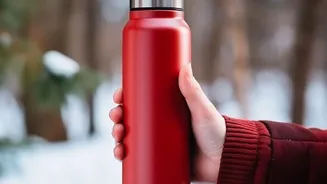
Recognising the signs of winter dehydration—such as fatigue, headaches, dry skin, and dark-coloured urine—is the first step. To combat it, don't wait until you feel thirsty to drink. Keep a water bottle with you throughout the day as a visual reminder. If cold water isn't appealing, try warm alternatives like herbal tea, warm water with lemon, or a low-sodium broth. Eating water-rich foods like soups, stews, oranges, and apples also contributes to your overall fluid intake. For those active outdoors, remember to hydrate consistently, as your body is losing more water than you realise.