






What Are Modular Rain Shields?
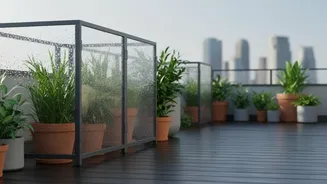
Imagine a customizable, lightweight armour system for your balcony garden. That’s the essence of modular rain shields. Unlike a permanent, fixed roof, these systems are composed of individual panels or sections that can be configured, expanded, or adjusted
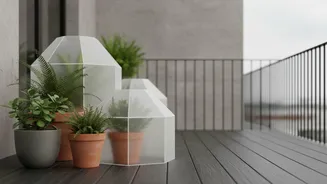
to fit the unique dimensions of your space. They often consist of transparent or semi-transparent materials like polycarbonate, PVC, or acrylic panels set in lightweight frames. The 'modular' aspect means you can start small, covering a single planter box, and later expand the system to protect a larger area. The 'compact' design ensures they don't overpower a small balcony, providing protection without sacrificing precious light or space.
The Urban Gardener’s Advantage
The primary benefit of a rain shield is obvious: it prevents your plants from being deluged by heavy rain, which can lead to root rot, fungal diseases, and soil erosion in containers. This is especially critical for delicate herbs, succulents, and vegetables that are sensitive to overwatering. But the advantages don't stop there. These shields also offer a defence against strong winds that can snap stems and rapidly dry out soil. By creating a more sheltered microclimate, you can effectively extend your growing season, starting plants earlier in the spring and protecting them longer into the autumn. They also safeguard your balcony itself, as well as any furniture, from constant moisture.
Key Features to Look For
When choosing a modular rain shield, material is paramount. Look for UV-resistant polycarbonate or acrylic panels that won't yellow or become brittle in the sun. Transparency is key to ensure your plants still receive ample sunlight. Next, consider the installation mechanism. Many systems are designed for DIY assembly, with clamp-on or tension-rod options that are perfect for renters as they don’t require drilling into railings or walls. Check how the modules connect; a good system will have a secure, interlocking design that is both sturdy and easy to reconfigure. Finally, consider ventilation. A shield that completely seals off an area can trap too much humidity, so look for designs that allow for natural airflow.
Adapting to Small and Awkward Spaces
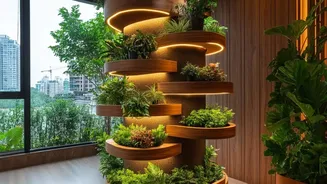
Urban balconies are rarely simple squares. They have odd corners, structural pillars, and varying dimensions. This is where modularity truly shines. You can combine panels of different sizes to navigate around obstacles, creating a custom-fit solution. For very small spaces, a simple, retractable awning or a few strategically placed panels may be all you need. Some innovative solutions even include vertical paneling or systems that attach directly to tiered plant stands, maximizing protection in a small footprint. Before buying, measure your balcony carefully and sketch out a plan, considering which plants need the most protection and where the rain and wind typically come from.
Potential Challenges and Considerations
While incredibly useful, modular shields are not without their challenges. The biggest consideration is wind resistance. A large, flat panel can act like a sail in strong gusts, so a secure anchoring system is non-negotiable. Ensure any system you choose is rated for wind and properly fastened to a stable part of your balcony structure. Cost can also be a factor, with more robust, stylish, or extensive systems representing a significant investment. For a more budget-friendly approach, creative DIY solutions using PVC pipes and heavy-duty transparent tarps can be effective, though they may lack the durability and aesthetic polish of commercial systems.