


1. Dino Zoff: The Unbreakable Italian Wall
The undisputed king of longevity in a World Cup final is Italian goalkeeper Dino Zoff. When he captained Italy against West Germany in the 1982 final in Madrid, he was an astonishing 40 years and 133 days old. Not only did he play, but he also became
the oldest player ever to win the World Cup as Italy triumphed 3-1. Zoff's presence was more than ceremonial; he was a crucial part of the team, making key saves throughout the tournament. His 1982 victory was the crowning achievement of a stellar career, a testament to his incredible professionalism and a record that has stood for over four decades.
2. Nílton Santos: The Pioneering Full-Back
Before modern attacking full-backs became the norm, there was Nílton Santos. The Brazilian legend was a key member of the squads that won the World Cup in both 1958 and 1962. In the 1962 final against Czechoslovakia, Santos was 37 years and 32 days old, making him one of the oldest outfield players to ever compete for the trophy. Known as the "Encyclopedia of Football" for his game intelligence, Santos was a revolutionary player who proved that age was no barrier to marauding down the wing from a defensive position. His performance in that final helped Brazil secure back-to-back titles, cementing his legacy as one of the game's great innovators.
3. Nils Liedholm: The Oldest Goalscorer in a Final
While Dino Zoff is the oldest player to feature in a final, the record for the oldest goalscorer belongs to Sweden's Nils Liedholm. In the 1958 World Cup final, on home soil against a Brazilian team featuring a teenage Pelé, Liedholm scored the opening goal at the age of 35 years and 264 days. Although Brazil ultimately stormed back to win 5-2, Liedholm's early strike remains a celebrated moment in World Cup history. It demonstrated the composure and class that defined his career, proving that even in the face of youthful brilliance, a veteran's cool head can make a significant impact on the biggest stage.
4. The Class of 2022: A Modern Era of Endurance
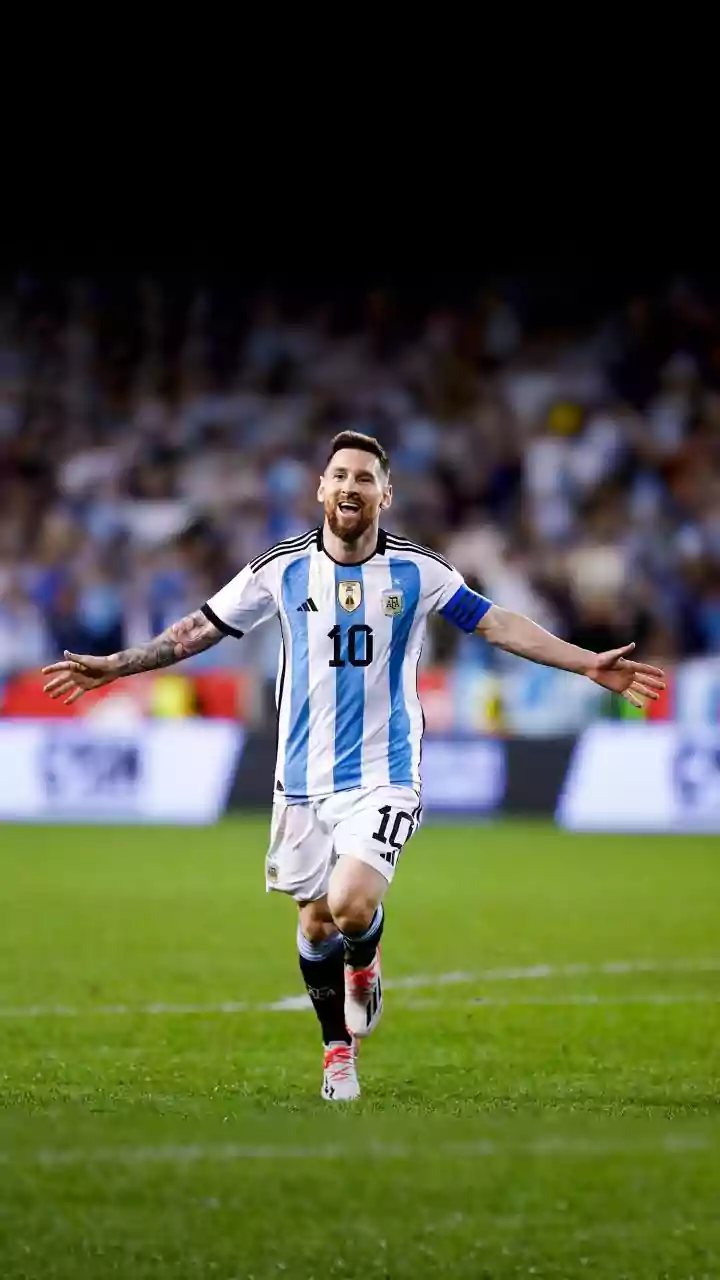
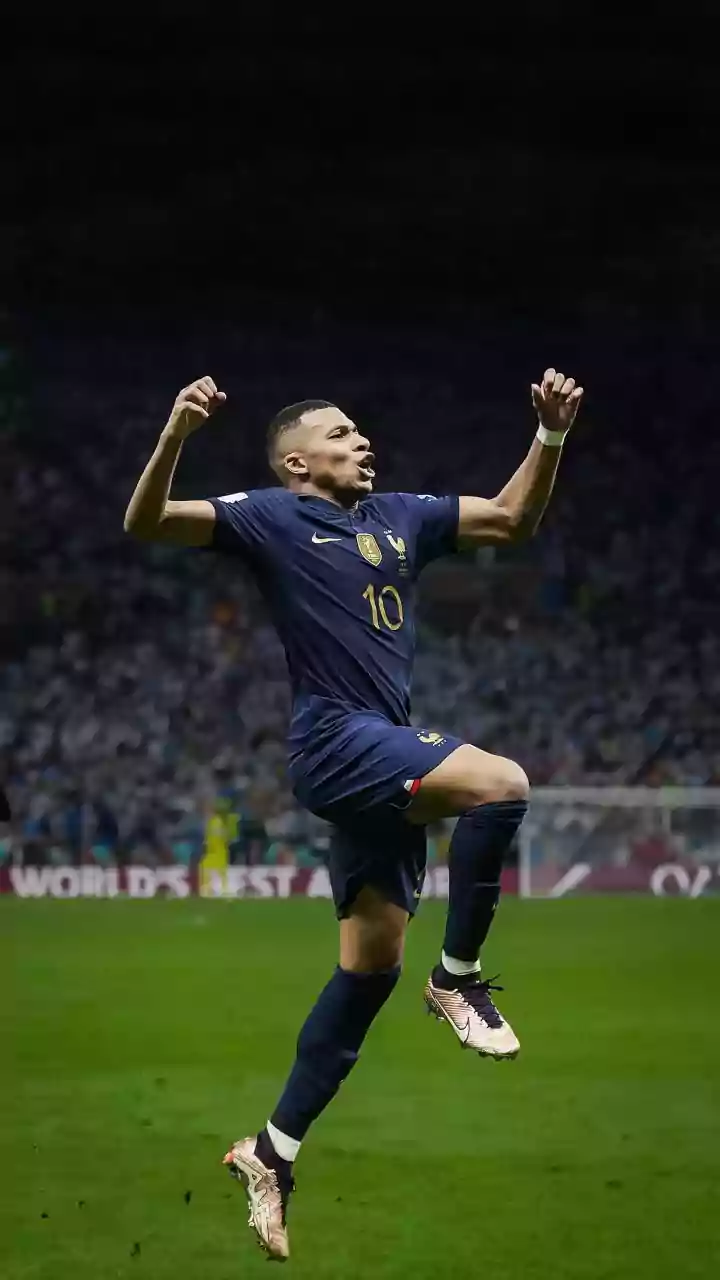
The 2022 World Cup final between Argentina and France was a showcase of modern veterans. The match featured a host of players in their mid-to-late thirties, proving that careers at the top level are extending longer than ever. Argentina was captained by a 35-year-old Lionel Messi, who finally claimed the one trophy that had eluded him. His teammate, Ángel Di María, was 34. On the French side, striker Olivier Giroud started the match at 36 years old, while captain and goalkeeper Hugo Lloris was just days shy of his 36th birthday. This collection of seasoned stars in the most recent final highlights a clear trend in the modern game: improved fitness, nutrition, and tactical intelligence are allowing elite players to compete for the ultimate prize well into their thirties.
Why Experience Can Reign Supreme
It is no coincidence that many of the oldest players in finals are goalkeepers or defenders. These positions rely as much on positioning, intelligence, and leadership as they do on raw athleticism. A goalkeeper like Dino Zoff or a defender like Nílton Santos brings a level of calm and organizational skill that can be decisive in the high-pressure environment of a final. Outfield players who last into their mid-thirties, like Lionel Messi and Olivier Giroud, often adapt their game, replacing explosive pace with an economy of movement, superior tactical awareness, and clinical finishing. In a match decided by fine margins, having a few wise heads who have seen it all before can be the difference between victory and defeat.