


The Overnight Advantage
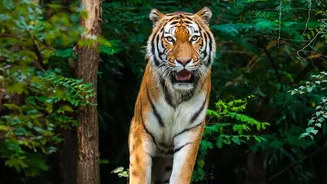
For decades, reaching the famed tiger reserves of Madhya Pradesh—like Kanha, Bandhavgarh, and Pench—involved costly flights to distant airports followed by long, expensive taxi rides. This often placed them beyond the reach of budget-conscious solo travellers.
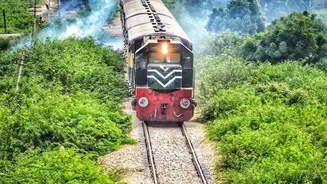
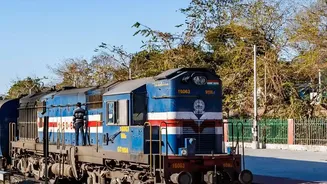
The game-changer isn't a fleet of new tourist-only trains, but a smarter way of using the existing, efficient Indian Railways network. The strategy is simple yet effective: board an express train from a major metropolis like Delhi or Mumbai in the evening, sleep through the journey in a comfortable berth, and arrive at a key railway hub in Central India the next morning. This approach not only saves the cost of a flight and a hotel room for a night but also turns the transit into a classic Indian adventure. It transforms a logistical hurdle into an integral and enjoyable part of the journey.
The Delhi Gateway: Jabalpur and Umaria
If you're starting from Delhi, your two main targets are Jabalpur and Umaria. Several overnight superfast trains, such as the NZM JBP SF Express, connect the capital to Jabalpur in about 13 to 15 hours, perfectly timed to deposit you in the city by early morning. Jabalpur serves as an excellent base for multiple parks. From here, Bandhavgarh National Park is a 4-hour drive (around 190 km) and Kanha National Park is a similar distance. For those solely focused on Bandhavgarh, the smartest choice is a train to Umaria station. Located just 35 km from the park, the drive from Umaria is a short 45 minutes. Trains from Delhi offer direct connectivity, making it the most time-efficient railhead for spotting tigers in Bandhavgarh.
The Mumbai Connection: Nagpur and Gondia
For travellers starting from Mumbai, the primary hubs are Nagpur and Gondia. Nagpur, well-connected by numerous overnight trains like the popular Vidarbha Express and the speedy Nagpur Duronto, is the undisputed gateway to Pench National Park. The park entrance is just a 2-hour drive (about 92 km) from Nagpur station, making it incredibly convenient. Nagpur also provides access to the Mukki gate of Kanha, though it involves a longer 5- to 6-hour road journey. A fantastic alternative for reaching Kanha is Gondia railway station. Several trains from Mumbai stop here, and at approximately 145 km away, it offers one of the shortest road transfers to the Khatia and Mukki gates of Kanha National Park, taking about 3 to 4 hours.
Perfectly Suited for the Solo Backpacker
This mode of travel is tailor-made for the solo adventurer. Firstly, it is incredibly budget-friendly. A ticket in a 3AC or 2AC compartment is a fraction of the cost of a flight, and it bundles your transport and accommodation into one. Secondly, it’s efficient. You travel while you sleep, saving precious daylight hours for safaris and exploration. For many solo travellers, especially women, an air-conditioned train compartment offers a sense of security. You are surrounded by other families and travellers, and the presence of coach attendants adds another layer of comfort. Finally, it’s about the experience. The gentle rock of the train, the chai vendors on the platform, and the passing landscapes offer an authentic slice of India that you simply cannot get from 30,000 feet in the air.
Last-Mile Logistics
Upon arrival at hub stations like Jabalpur, Nagpur, or Umaria, the final leg of the journey is straightforward. Most travellers pre-book a taxi through their jungle lodge for a seamless transfer. For those on a tighter budget, shared taxis are often available outside the stations, especially along popular routes. From Jabalpur, for instance, you can find vehicles heading towards Mandla (for Kanha) or Shahdol (for Bandhavgarh). While local buses are the most economical option, they can be slow and crowded, so it's a trade-off between cost and comfort. A pre-booked or shared taxi is generally the recommended balance for a hassle-free start to your wildlife adventure.