





Your Weekly Game Plan
Success starts with a simple plan. Before you buy a single ingredient, map out your meals. Don't overcomplicate it. For your first week, aim for one option for breakfast, one for lunch, and one for dinner that you can make from prepped components. For instance,
breakfast could be overnight oats. Lunch could be a chickpea salad wrap or sandwich. Dinner could be a versatile grain bowl. The key is to choose recipes with overlapping ingredients to keep your shopping list short and your costs low. Keep a list of go-to meals you enjoy to make planning even faster in the future. A little planning prevents last-minute, unhealthy choices and food waste.
The Smart Shopping List
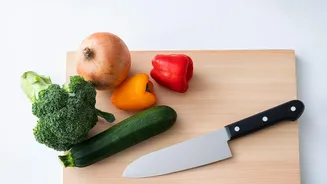
A good list is your best friend at the grocery store. It keeps you focused and on budget. For a vegetarian prep week, focus on these core categories: Proteins: Canned chickpeas, lentils (red or brown), black beans, and eggs are affordable powerhouses. Grains: Brown rice, quinoa, pasta, and rolled oats are versatile bases for many meals. Buying these from bulk bins can often reduce costs. Vegetables: Go for sturdy options that last. Onions, garlic, carrots, bell peppers, broccoli, and sweet potatoes are great starters. Frozen vegetables are also a budget-friendly and nutritious option that saves you chopping time. Flavour Boosters: Don't forget spices, sauces, and fresh herbs. A good vegetable broth, soy sauce, cumin, and curry powder can transform simple ingredients. Lemons, limes, and yogurt or tahini-based sauces add brightness and depth.
The Sunday Prep Session
Set aside two to three hours for your prep session. This is where the magic happens. Put on some music and get into a rhythm. Start by washing and chopping all your vegetables. Store them in airtight containers. Next, batch cook your grains like rice or quinoa. While those are simmering, you can hard-boil a few eggs for snacks or salads, or prepare a big batch of dal or a base curry. You could also roast a tray of mixed vegetables like sweet potatoes, broccoli, and bell peppers. The goal isn't to cook full meals, but to create components that can be assembled quickly later.
Assembling Your Mix-and-Match Meals
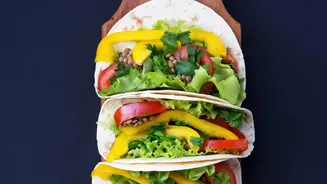
With your components prepped, weekday meals become a simple assembly job. For a hearty lunch bowl, combine your pre-cooked quinoa, roasted vegetables, and a handful of chickpeas, then drizzle with a lemon-tahini dressing. For a quick dinner, heat up your batch-cooked dal and serve with rice. Use your chopped veggies and black beans to make quick tacos or quesadillas. Leftover roasted vegetables can be tossed with pasta and a simple sauce. This 'planned-over' approach keeps meals interesting and ensures you're not eating the exact same thing every day.
Storage for Lasting Freshness
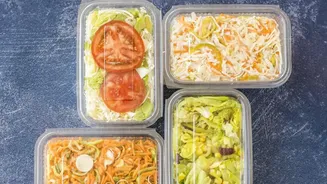
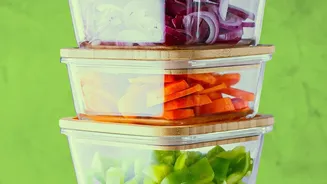
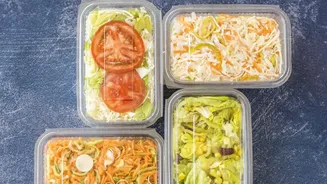
Proper storage is crucial to ensure your food stays fresh and appealing all week. Invest in a good set of airtight containers. Store chopped vegetables like carrots and celery in containers, while leafy greens should be washed, thoroughly dried, and stored in bags or containers lined with a paper towel to absorb excess moisture. Cooked grains and beans should be cooled completely before being refrigerated in sealed containers. To prevent salads from getting soggy, store dressings separately and add them just before eating. For items like chopped onions or garlic, a glass container is best to prevent odours from spreading through your fridge.