



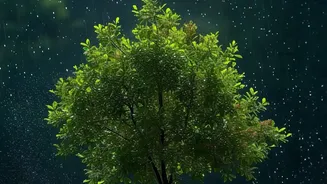
The Land Is Reborn in Green
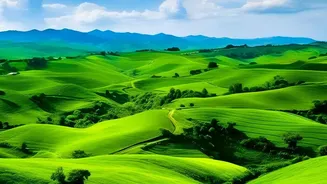
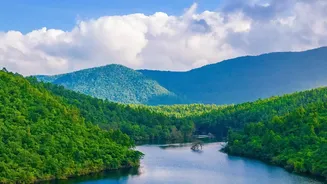
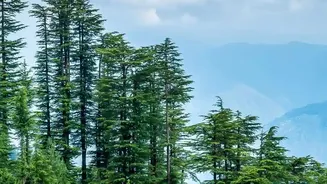
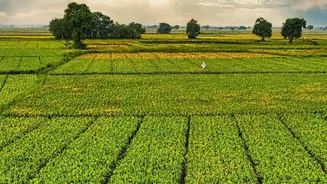
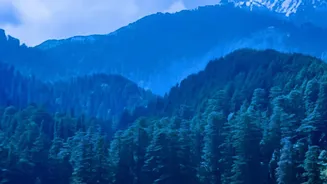
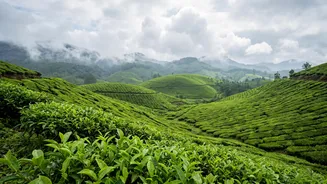
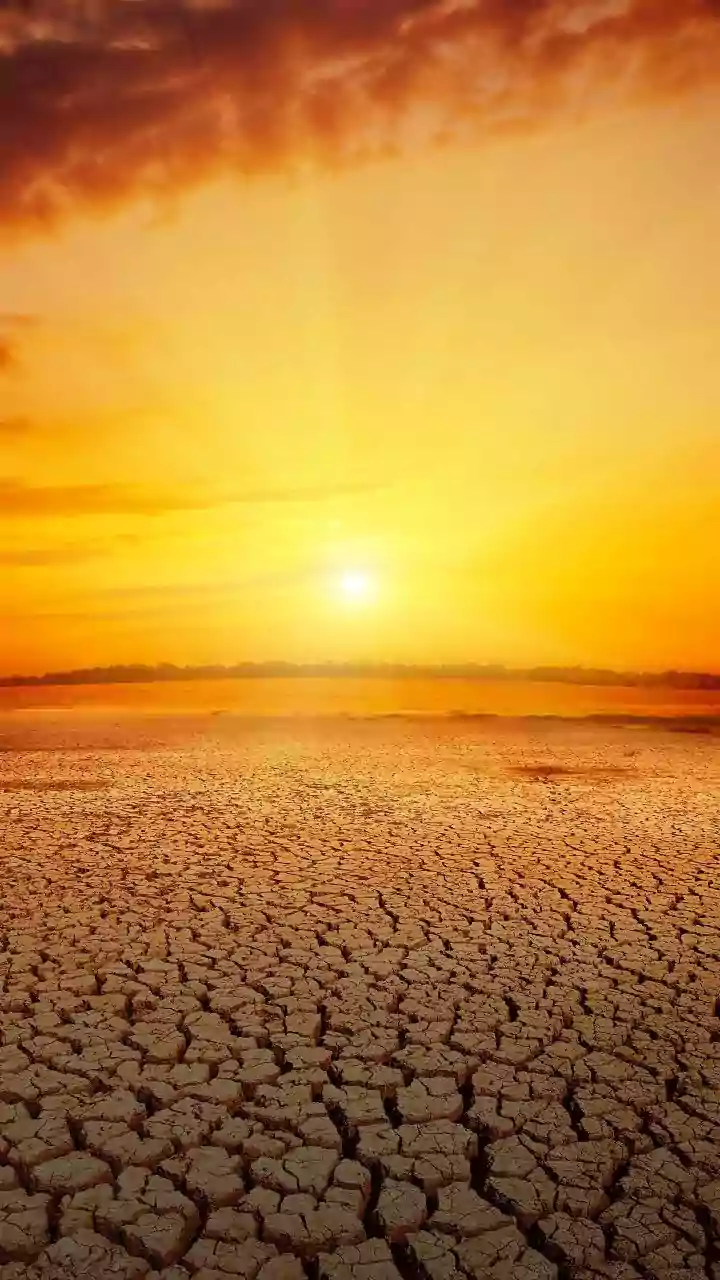
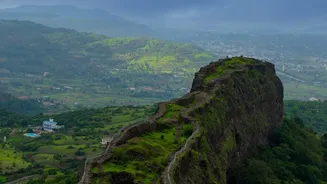
After the harsh summer, the first rains wash away dust and breathe life back into the landscape. Parched plains and hillsides erupt into a dazzling spectrum of saturated greens. This intense vibrancy, from the tea plantations of Munnar to the rolling
hills of Lonavala, provides a rich, colourful base for any composition. A polarising filter can further enhance these greens, making them pop against the dark, moody skies.
Dramatic Skies and Soft Light
Forget the flat, harsh light of a clear sunny day. The monsoon brings with it a constantly changing sky filled with drama. Layers of dark, heavy clouds create a powerful, atmospheric backdrop that adds a cinematic quality to photos. This cloud cover also acts as a giant natural softbox, diffusing the sunlight. This soft, even lighting is incredibly flattering for landscapes, reducing harsh shadows and allowing the natural textures and colours of the scenery to shine through.
Waterfalls and Rivers in Full Flow
Streams that were mere trickles in May become roaring, majestic waterfalls by July. Destinations across the country, from Dudhsagar in Goa to the innumerable cascades in Meghalaya and the Western Ghats, are at their most powerful and photogenic. This is the perfect time to experiment with your camera settings. A fast shutter speed can freeze the immense power of the water in a dramatic splash, while a slow shutter speed, often used with a tripod, can transform the cascade into a smooth, milky flow.
The Magic of Mist and Fog
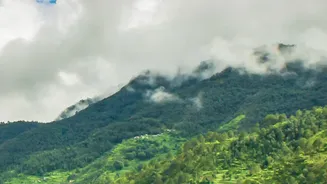
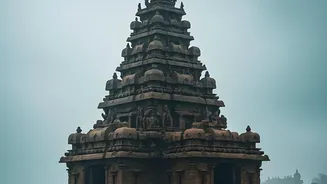
Perhaps nothing defines monsoon landscapes more than the ethereal presence of mist and fog. It rolls through valleys, shrouds hilltops, and drifts across tea estates, adding an incredible sense of depth, mystery, and mood to your images. In places like Coorg or Mahabaleshwar, the mist can transform a familiar view into something otherworldly, simplifying the background and drawing focus to your main subject. This soft, painterly effect is a signature of the season.
Creative Reflections and Details
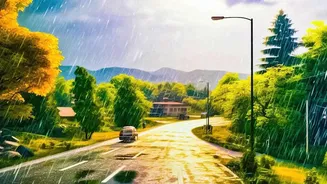
The rain creates countless new photographic subjects right at your feet. Puddles and wet roads become mirrors, offering unique opportunities to capture reflections of monuments, trees, and dramatic skies. This can add a compelling layer of symmetry and creativity to your compositions. It's also a fantastic time for macro photography. Look closer for details like glistening raindrops on a leaf, the intricate patterns of wet moss on a rock, or the textures of a rain-soaked country road.
Fewer Crowds and More Serenity
Many popular tourist destinations see a significant drop in visitor numbers during the monsoon. For a landscape photographer, this is a huge advantage. It means having iconic viewpoints in places like Udaipur or the hill stations of Maharashtra all to yourself. This solitude not only makes for a more peaceful experience but also allows you to take your time, compose your shots carefully, and capture pristine landscapes without distracting crowds in the frame.
Essential Tips for a Safe Shoot
Shooting in the rain requires some preparation to protect your equipment. A waterproof camera cover or even a simple plastic bag can be effective. Always use a lens hood, which helps prevent raindrops from hitting the front of your lens. Carry a microfibre cloth to wipe away moisture and consider keeping silica gel packs in your camera bag to absorb humidity when not in use. Most importantly, be mindful of your own safety on slippery trails and near swollen rivers.