
Why Go Offbeat This Monsoon?
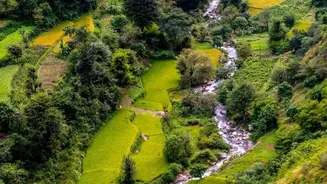
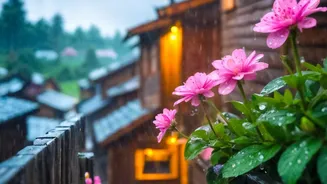
While popular destinations grapple with crowds, the monsoon offers a chance to experience the Himalayas in their most tranquil state. The season washes the landscape in vibrant shades of emerald, rivers swell with life, and the air is thick with the scent
of rain-soaked earth. It’s a time for travellers who seek solace over sightseeing. Instead of a checklist of places to visit, the reward is the quiet atmosphere, misty mornings, and the luxury of doing nothing at all. Tirthan Valley and Shoja, nestled in the Kullu district, are two such destinations that come alive during the rains, offering a peaceful retreat from the urban grind.
Tirthan Valley: A Riverside Sanctuary
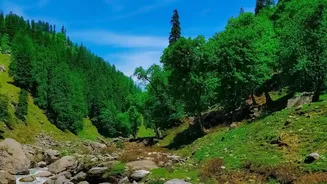
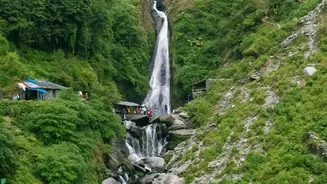
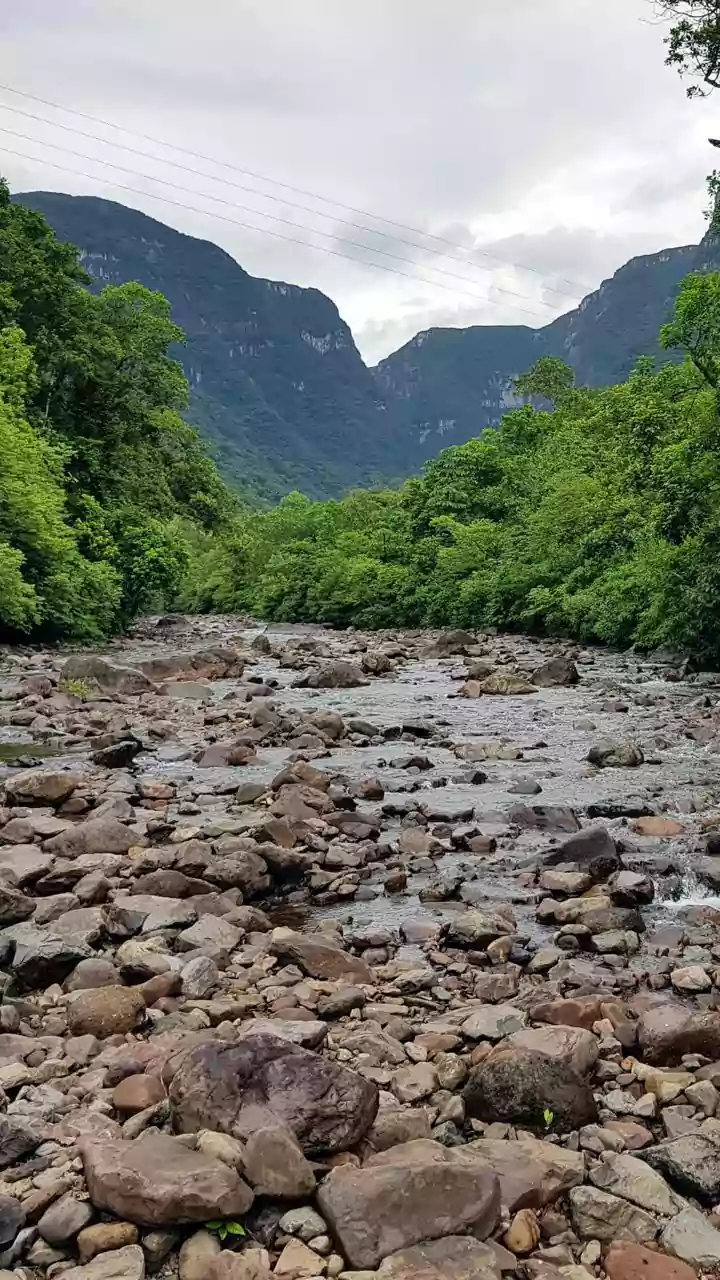
Tirthan Valley, named after the pristine Tirthan River, is a paradise for nature lovers. During the monsoon, the river becomes a powerful, churning presence, its sound a constant companion. The valley is the gateway to the Great Himalayan National Park, a UNESCO World Heritage Site, and its buffer zone is rich with flora and fauna. Instead of frantic sightseeing, days here are measured by leisurely walks through pine forests, short hikes to gushing waterfalls like the Chhoie Waterfall, and conversations with warm, welcoming locals. The famous trout fishing is often paused during the peak monsoon, but the visual feast of the rain-fed landscape more than compensates. It's a place to slow down, read a book on a balcony overlooking the river, and simply be.
Finding Your Peaceful Stay in Tirthan
The soul of Tirthan lies in its homestays and eco-lodges, many of which are built in the traditional Kath-Kuni style with wood and stone. These stays, often family-run, offer an authentic Himachali experience. Imagine waking up to the sound of the river, enjoying simple, delicious home-cooked meals, and spending evenings watching the clouds drift across the valley. Places in and around villages like Gushaini and Nagini offer rustic cottages and riverside properties that prioritise peace over luxury. This isn't about infinity pools or room service; it's about connecting with nature and enjoying the simple, profound beauty of a Himalayan monsoon.
Shoja: A Hamlet in the Clouds
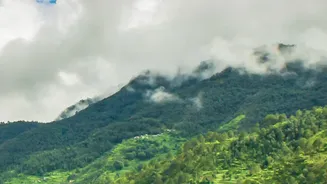
A short, steep drive up from the main valley lies Shoja, a serene hamlet that feels a world away. At an altitude of over 2,000 metres, Shoja is often enveloped in mist during the monsoon, creating a mystical, dreamlike atmosphere. This tiny village, surrounded by dense deodar and pine forests, is for those who seek absolute quiet. The views from Shoja, when the clouds part, are breathtaking, offering panoramic vistas of the surrounding mountains. It’s the perfect base for exploring the area around Jalori Pass, though the pass itself can be an uncertain bonus during heavy rains.
Experiences in Misty Shoja
Shoja’s charm lies in its simplicity. Activities here are gentle and immersive. You can take a short walk to a nearby waterfall or simply wander through the quiet village lanes. The drive to Jalori Pass, about 5 km away, is a scenic journey through cloud-covered forests. However, popular treks from the pass, such as to Serolsar Lake or Raghupur Fort, can be slippery and are often best avoided during peak monsoon due to safety concerns. The real experience in Shoja is finding a cosy corner in your guesthouse, sipping hot tea, and watching the rain paint the landscape in a thousand shades of green.
A Practical Guide to Monsoon Travel
Travelling to the Himalayas during monsoon requires caution and flexibility. Landslides are a real risk, and roads, particularly the higher routes like the one to Jalori Pass, can be temporarily closed. Always check the weather forecasts and road conditions before and during your trip. It's wise to travel during the day, avoid night driving, and keep a couple of buffer days in your itinerary in case of delays. Opt for sturdy vehicles and experienced local drivers. While the experience is rewarding, safety must always be the first priority. The reward is a less crowded, intensely beautiful Himachal, but it demands respect for the season's power.