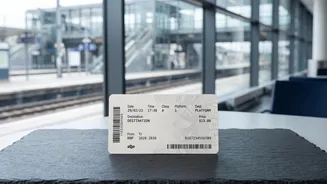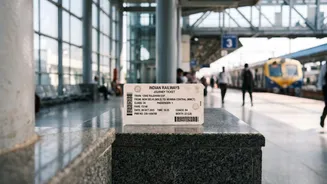





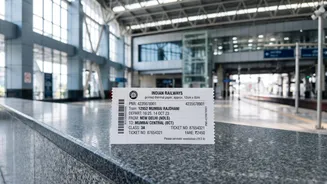

The Old System: A Tale of Two Tickets
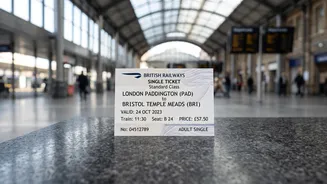
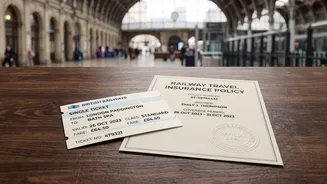
For years, Indian Railways passengers faced a peculiar gap in safety nets depending on how they bought their tickets. If you booked through the IRCTC website or app, you were offered optional travel insurance for a nominal fee—currently just 45 paise.
This provided coverage for death, disability, and hospitalization in case of an accident. However, the millions of passengers who rely on physical reservation counters—often those from rural areas, the elderly, or those less comfortable with digital transactions—had no access to this facility. This created a discriminatory system where two people on the same train could have vastly different levels of financial protection based solely on their booking method.
The Supreme Court's Landmark Directive
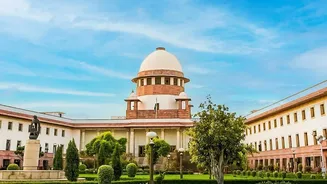
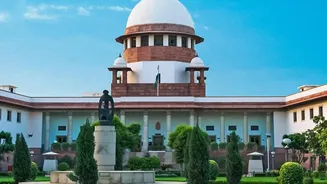
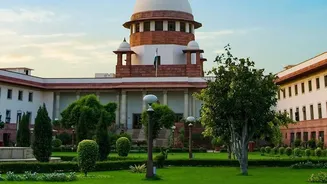
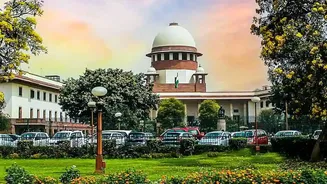
Following the tragic Odisha train accident in June 2023, the Supreme Court began scrutinizing various aspects of railway safety. Observing the disparity in insurance access, a bench of Justices Ahsanuddin Amanullah and R. Mahadevan directed the Indian Railways to end this practice. In an order dated October 6, 2026, the court mandated that from October 27, 2026, all tickets sold over the counter must include the same insurance coverage offered to online buyers. The court expressed its 'utter disappointment' at the lack of progress on this front and held the Railway Board directly responsible for implementing the order, warning of consequences for non-compliance.
Why This Ruling Is a Game-Changer
This judgment is more than just an administrative change; it's a significant victory for passenger rights and equality. The court noted that those who buy tickets at counters often belong to the 'lowest strata of society' and are unfairly penalized for not being part of the digital ecosystem. By making insurance accessible to all, the ruling ensures that a passenger's access to a safety net is not determined by their digital literacy or access to the internet. It reinforces the principle that public services, especially those as critical as the railways, have a duty to serve all citizens equitably. Over 87% of reserved tickets are now booked online, but this order protects the large minority who still depend on the counter system.
What the Insurance Typically Covers
While the exact terms for counter tickets are pending implementation, the existing optional scheme for online tickets provides a clear blueprint. For a premium of just 45 paise, the policy offers substantial coverage. This generally includes up to ₹10 lakh for death or permanent total disability resulting from a train accident or other 'untoward incidents'. It also provides compensation for permanent partial disability (up to ₹7.5 lakh), hospitalization expenses for injuries (up to ₹2 lakh), and transportation of mortal remains (₹10,000). This financial cushion is separate from and in addition to any compensation the Railways is liable to pay under the Railways Act.
The Road Ahead: Implementation Challenges
With the October 27 deadline looming, the Railway Board faces the practical challenge of implementing this order across thousands of stations. Key questions remain. Will the insurance be optional or mandatory for counter tickets? The court's language suggests it 'shall also be covered by insurance', which some interpret as a mandatory inclusion. How will the nominal premium be collected efficiently during peak hours? And how will nomination details be recorded for passengers who may not have an email address or mobile number for policy delivery? The Railways will need to devise a simple, robust mechanism to ensure the court's directive is followed in spirit and practice, ensuring this crucial protection reaches every last passenger.