





From Collection to Curation
Many of us build our homes piece by piece, collecting treasures from travels, inheriting family heirlooms, and finding items that simply bring us joy. This impulse to gather is wonderful; it’s how a house becomes a home infused with personality. Each
object is like a biographical fragment, a small piece of your life’s narrative. However, a collection without direction can quickly overwhelm a space. When every surface is covered and every corner is full, individual pieces lose their power. The story becomes cluttered and hard to read. This is where the shift from simply collecting to actively curating becomes essential. Curation is not about sterile minimalism or getting rid of things you love. Instead, it’s the art of intentional selection, where every single item in your home earns its place by contributing to the overarching story you want to tell. It’s the difference between a room full of stuff and a room full of meaning.
Adopting a Curator's Mindset
Think of your home as your own personal gallery. A museum curator doesn't put every piece from the archives on display at once. They make deliberate choices to guide the visitor through a specific narrative. Adopting this mindset allows you to look at your possessions with fresh eyes. The first step is to define the story you want your home to tell. Do you want it to feel serene and calming, vibrant and energetic, or cozy and nostalgic? Once you have a clear vision, you can evaluate each object against it. Ask yourself: Does this piece support the mood I want to create? Does it reflect a part of my story that I want to highlight right now? This process empowers you to move beyond fleeting trends and focus on what is timeless and authentic to you. It's about choosing quality over quantity and ensuring that each element serves a purpose, whether functional or emotional.
The Art of the Thoughtful Edit
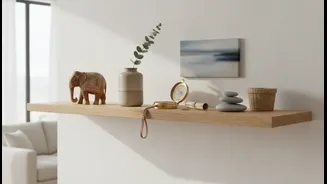
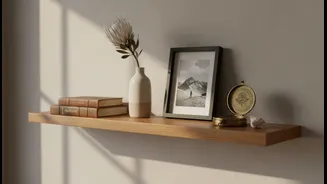
Editing is the practical application of your curatorial mindset. It’s not a one-time purge but an ongoing conversation with your space. Start with one room, or even one surface, to avoid feeling overwhelmed. Pick up each object and decide if it still serves your home’s story. Items that don't fit the current narrative don't need to be discarded forever. Consider creating a “collection in rotation.” Store some items away and swap them out seasonally. This keeps your space feeling fresh and allows you to appreciate your belongings anew when they return. Another key editing technique is grouping. A cluster of small, similar objects on a tray reads as one cohesive statement rather than a dozen scattered items. By grouping items by color, material, or theme, you create intentional vignettes that draw the eye and tell a more focused story.
Give Your Stories Breathing Room
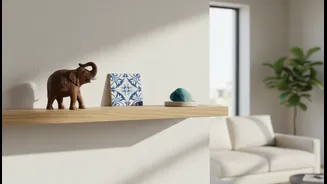
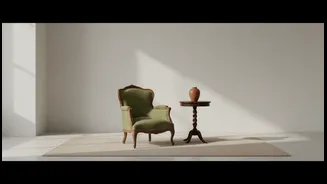
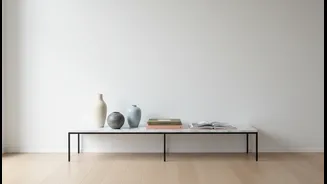
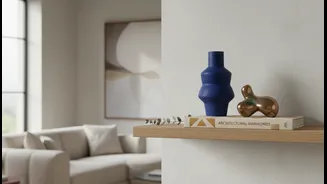
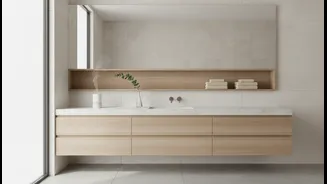
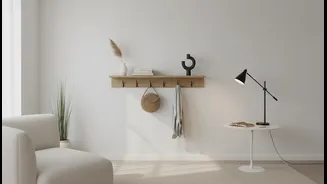
One of the most powerful tools in interior design is negative space. Just as pauses in a conversation add emphasis, empty space in a room allows the objects on display to truly shine. When a beautiful vase or a treasured photograph is surrounded by clutter, its significance is diminished. By clearing the area around it, you give it visual prominence and allow its story to be told without interruption. Editing your home creates this essential breathing room. It ensures that the eye has a place to rest, making a room feel more calming and balanced. This doesn't mean your walls or shelves must be bare. It means being strategic. A single, impactful piece of art on a large wall can have a far greater effect than a dozen smaller pictures. By embracing negative space, you amplify the power of the objects you’ve chosen to keep.