



A Ritual Reimagined
For millions, the day begins and ends with chai. It is a constant, a punctuation mark in the rhythm of Indian life. Yet, as wellness becomes a priority, this beloved tradition is being viewed through a new lens. The shift is not about abandoning the classic
masala chai, but enhancing it. Health-conscious individuals are asking a simple question: What if my daily comfort drink could also be a source of functional nutrition? This has sparked a trend of mindful modifications, turning the simple act of making tea into a deliberate wellness practice. It's a grassroots movement happening one kitchen at a time, driven by a desire to blend tradition with modern health goals. This evolution reflects a broader change in Indian food habits, where nutrient density and conscious consumption are gaining importance.
The New Spice Cabinet
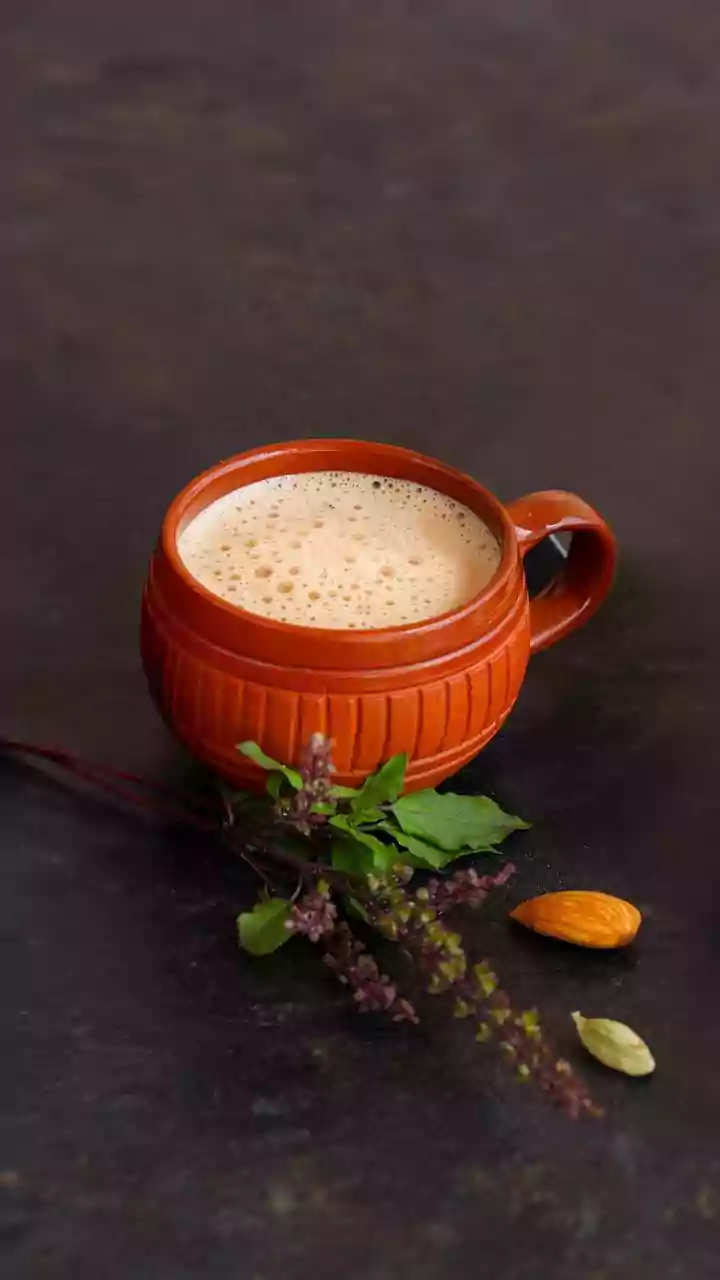
The foundation of a good masala chai has always been its spices—cardamom, cinnamon, cloves, and ginger form the aromatic backbone. These ingredients are already celebrated in Ayurveda for their health properties. Ginger and cinnamon may help with blood sugar management, while cloves and cardamom are packed with antioxidants. But the 21st-century chai goes further. Many are now adding a pinch of turmeric for its anti-inflammatory benefits, a sprinkle of black pepper to increase nutrient absorption, or a few leaves of tulsi to boost immunity. These additions are often a nod to ancient wisdom, reconnecting with ingredients that have been part of traditional Indian home remedies for generations. The focus is on using spices not just for flavour, but for their functional benefits, making each cup a small act of self-care.
The Protein-Packed Brew
One of the more modern adaptations is the addition of protein powder to chai. As fitness and macronutrient tracking become more mainstream in India, people are looking for convenient ways to meet their daily protein goals. Adding a scoop of unflavoured or vanilla whey or plant-based protein to chai is seen as an efficient way to combine a morning ritual with a post-workout recovery aid or a satiating snack. Protein helps promote feelings of fullness and can slow the release of sugar, preventing energy crashes. While it sounds unconventional, the key is in the preparation. Experts suggest creating a smooth paste with the powder and a little milk or water before adding it to the brewed tea to avoid clumps. This fusion of a traditional beverage with a modern supplement is a prime example of how Indian kitchens are innovating to serve contemporary health needs.
Balancing Health and Habit
While enriching chai is a positive trend, nutritionists advise mindfulness. The health benefits of a carefully spiced tea can be quickly negated by adding too much sugar. Many pre-made chai concentrates and cafe versions are loaded with sweeteners, sometimes containing a full day's recommended sugar intake in a single cup. Making chai at home provides full control over the ingredients. Opting for natural sweeteners like jaggery or a small amount of honey, or skipping sweeteners altogether, is the best approach. Furthermore, while adding milk is traditional, some studies suggest that milk proteins might interfere with the absorption of some antioxidants in tea, though the research is mixed. For those sensitive to dairy, switching to black tea or using plant-based milks can be a gut-friendly alternative that preserves more of the tea's natural polyphenols.
A Return to Roots
Ultimately, the movement to create a healthier chai is more than just a trend; it's a return to the roots of food as medicine. It embodies a holistic view of health where small, consistent daily habits accumulate to create long-term well-being. By thoughtfully selecting spices, managing sugar, and perhaps even adding a functional boost, the daily cup of chai is transforming from a simple beverage into a personalised wellness elixir. This evolution honours the comforting, cultural significance of chai while adapting it for a new generation focused on living healthier, more intentional lives. It’s a testament to the idea that a nation’s favourite drink can evolve without losing its soul.