







Beyond the Weekly Rut
Many of us fall into a routine of buying the same handful of ingredients, regardless of the time of year. It’s convenient, but it can lead to culinary boredom. Seasonal eating is the simple practice of consuming foods that are naturally harvested during
a specific time of year. It’s a return to a more natural rhythm of eating, one that Indian households have followed for centuries, long before produce was available year-round from cold storage. Instead of relying on a fixed list, this approach encourages you to explore what’s fresh, abundant, and at its peak right now in your local markets.
A Boost in Flavour and Nutrition
The most compelling reason to eat seasonally is the undeniable improvement in taste. A tomato picked from the vine in its prime tastes worlds apart from one that was harvested prematurely and transported across the country. Seasonal produce is allowed to ripen naturally, developing the full depth of its flavour and sweetness. Beyond taste, this natural ripening process also means the food is more nutritionally dense. Fruits and vegetables harvested at their peak contain higher levels of vitamins, minerals, and antioxidants compared to their out-of-season counterparts that may have spent weeks in storage. By rotating your diet with the seasons, you naturally consume a wider spectrum of nutrients throughout the year.
Smarter for Your Wallet and the Planet
Eating seasonally is often more budget-friendly. When a fruit or vegetable is in season, it is abundant, and the laws of supply and demand mean lower prices for consumers. Farmers have a surplus, and the costs associated with transportation, artificial ripening, and long-term refrigeration are significantly reduced. This approach also has a positive environmental impact. Choosing locally grown, seasonal food reduces your carbon footprint by minimizing “food miles”—the distance your food travels from the farm to your plate. Supporting local farmers not only strengthens the community economy but also encourages sustainable agricultural practices.
How to Start Your Seasonal Journey
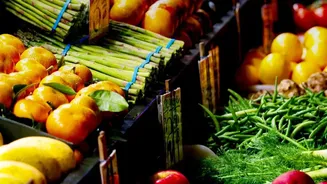
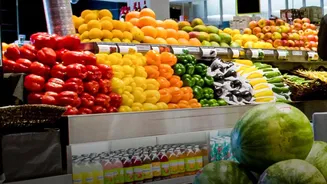
Making the switch is easier than it sounds. The best place to start is your local sabzi mandi or farmers' market. Take a walk around the entire market before you start buying to see who has the freshest-looking produce at the best price. Don't be shy; talk to the vendors. Ask them what’s just come in and where it was grown. They are often a fantastic source of information. Go early in the day for the best selection, and remember to bring your own reusable bags. To avoid feeling overwhelmed, begin by challenging yourself to try one or two new seasonal items each week. This small step can slowly transform your cooking and eating habits.
Inspiration for Every Indian Season
India’s diverse climate offers a vibrant calendar of produce. In the hot summer months (March-July), embrace hydrating fruits like watermelon and muskmelon, and of course, the king of fruits, the mango. During the monsoon (July-November), look for corn (bhutta), jamun, and okra (bhindi). As the weather cools for winter (November-February), our markets fill with leafy greens like spinach and mustard greens, root vegetables like carrots and beetroot, and an abundance of citrus fruits like oranges and sweet limes. Rather than searching for imported berries in winter, enjoying a juicy, locally grown orange provides a more timely and nutritious dose of Vitamin C.