

The Allure of a Green Paradise
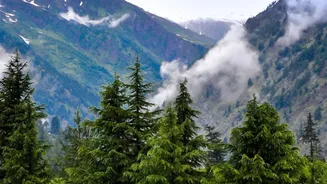
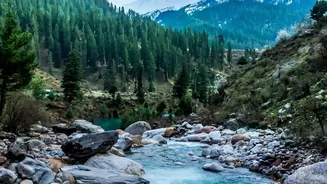
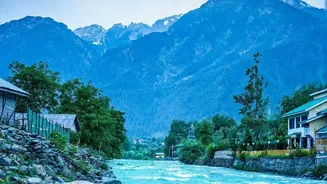
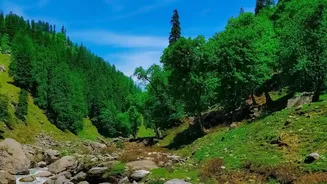
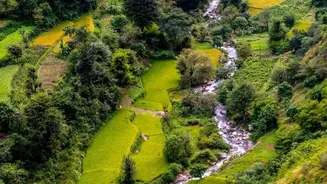
Forget the packed promenades of Shimla and Manali. The true magic of a Himachali monsoon reveals itself in quieter corners like Tirthan Valley. Situated near the Great Himalayan National Park, a UNESCO World Heritage Site, this valley becomes a vibrant
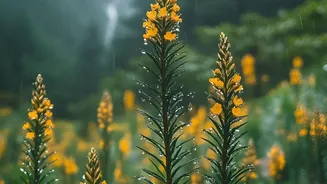
green paradise during the rains. The Tirthan River, famous for its trout, swells and rushes with newfound energy, and the forests seem to breathe a sigh of relief from the summer heat. This season is for slow travel. It’s for finding a cosy homestay in a village like Gushaini or Nagini, watching clouds drift through pine forests, and taking leisurely walks to discover hidden waterfalls like Chhoie, which comes alive with the downpour. While heavy trekking into the national park’s core zone is often restricted for safety, the ecozone trails and village paths offer ample opportunity for exploration.
Shoja: A Cinematic Escape into the Clouds
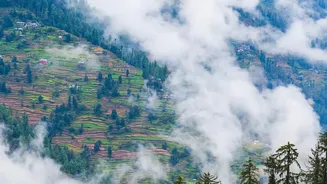
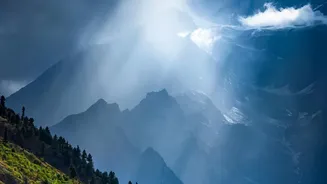
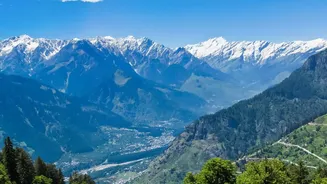
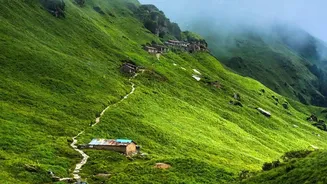
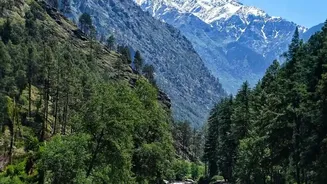
A short drive up from the main valley lies Shoja, a hamlet that offers a different, more atmospheric monsoon experience. At a higher altitude, Shoja is often wrapped in a thick, cinematic fog that transforms the deodar forests into a mystical landscape. It’s a destination that prioritises atmosphere over activity. Travellers come here to disconnect, find a quiet cabin, and read a book by a window as rain clouds roll through the valley below. On clearer days, the drive to Jalori Pass, located at about 10,800 feet, offers panoramic views of the Himalayas. From the pass, a popular and relatively easy trek leads to Serolsar Lake, a pristine alpine lake surrounded by dense forest. While the trail can be slippery during the monsoon, its beauty is amplified, making it a rewarding experience for the prepared trekker.
Embracing Local Life in a Homestay
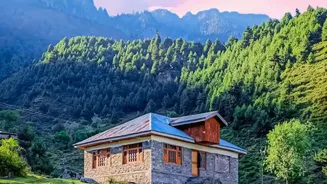
The soul of this region is found in its traditional homestays. Many homes are built in the classic Kath-Kuni architectural style, using stone and wood without cement, designed to withstand the region’s climate. Staying with a local family offers more than just a room; it’s an immersion into Himachali culture. It’s an opportunity to savour home-cooked meals like Siddu (steamed bread stuffed with poppy seeds or walnuts) and to hear stories about the valley. Villages such as Gushaini and Tandi are known for their warm hospitality and authentic stays. In the monsoon, when outdoor activities might be limited, the warmth of a homestay provides a comfortable and memorable refuge.
A Practical Guide to Monsoon Travel
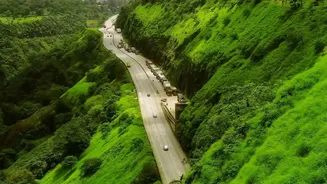
Travelling to the mountains during the monsoon requires preparation and respect for nature. Landslides are a real risk, and roads can be slippery or temporarily blocked after heavy rain. It is essential to check weather forecasts and road conditions before and during your journey. Hiring a local driver who understands the terrain is highly recommended. Pack waterproof jackets, sturdy shoes with good grip, and quick-drying clothes. Due to potential power cuts, a power bank is a must-have. While the core monsoon months of July and August can be intense, travelling towards the end of August or in September often provides the perfect balance of lush scenery and more stable conditions. Most importantly, embrace a flexible itinerary. The monsoon rewards travellers who aren't chasing a checklist but are willing to slow down and appreciate the quiet, restorative rhythm of the hills.