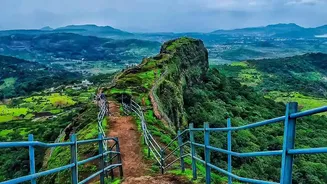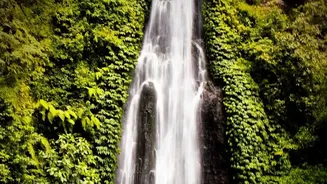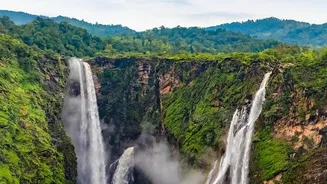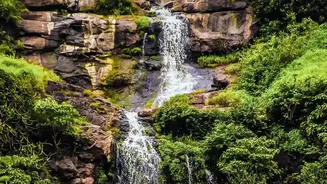






The Allure and the Risk
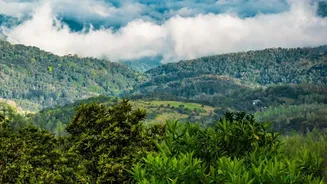
A road trip through the Western Ghats after the rains is an unforgettable experience. The landscape, washed clean and bursting with life, is a photographer's paradise. In Coorg, the ‘Scotland of India,’ coffee plantations are lush and green. In Mahabaleshwar,
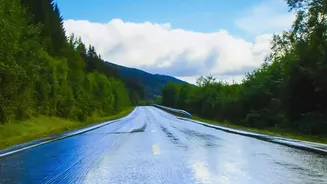
viewpoints open up to misty valleys and roaring waterfalls. But the same rains that create this spectacle also make the journey riskier. Wet, winding ghat roads, reduced visibility due to fog, and the potential for landslides are serious concerns that require careful planning and a healthy dose of caution. The key to a memorable trip is not to avoid the challenges, but to prepare for them.
Vehicle Health is Your First Priority
Before you even think about playlists and snacks, a thorough vehicle check is non-negotiable. Your car’s ability to handle steep, slippery terrain is paramount. Pay special attention to your tyres; experts recommend a tread depth of at least 3mm for wet roads to prevent aquaplaning. Brakes are your lifeline on ghat sections, so ensure they are in perfect condition, without any sponginess. Check that your wipers are effective and can handle heavy downpours. Finally, ensure all lights, especially headlights and fog lamps, are working perfectly. Driving in the hills after dark or in heavy fog is dangerous, and proper lighting is critical for visibility.
Mastering the Art of Ghat Driving
Driving on winding mountain roads requires a different skill set than city commuting. The first rule is to slow down. Wet roads significantly increase braking distances. Maintain a larger-than-usual gap between you and the vehicle ahead. When descending steep slopes, use a low gear to control your speed with engine braking, which prevents your brakes from overheating. Avoid sudden acceleration or hard braking, especially on hairpin bends. If you encounter dense fog, reduce your speed further, turn on your fog lamps, and if visibility drops to near-zero, find a safe spot to pull over and wait for it to clear. It is always advisable to finish your driving day before sunset.
Route Guide: Coorg's Misty Hills
Coorg is stunning post-monsoon, but its roads require respect. The drive from Mysore or Bangalore is generally good, but the final ghat sections can be slippery. Scenic routes like the one from Madikeri to Talakaveri offer breathtaking views but are narrow and winding. Drive slowly and be prepared for oncoming traffic. Tourist spots like Abbey Falls will be in full flow but approaches can be slick, so wear footwear with excellent grip. Always check local conditions before starting, as smaller, more remote plantation roads can become temporarily inaccessible after heavy showers.
Route Guide: Mahabaleshwar's Green Plateau
Mahabaleshwar receives some of the heaviest rainfall in Maharashtra, making its post-monsoon drives particularly dramatic. The main approach roads via Wai or Panchgani are generally well-maintained but prone to heavy fog. The charm of a Mahabaleshwar drive is often in the journey itself, with roadside waterfalls and lush greenery. However, landslide risks are real in this region. It's crucial to check local news and traffic advisories before and during your trip. Avoid routes that have recent reports of landslides, like parts of the Kelghar ghat at times. The old Mahabaleshwar-Panchgani road is a classic scenic drive, but its sharp turns demand slow, careful navigation.
The Essential Road Trip Kit
Beyond vehicle documents like your RC, insurance, and PUC, a few extra items can be lifesavers. Pack a comprehensive first-aid kit, a powerful torch, and a fully charged power bank. Given the spotty network coverage in the hills, downloading offline maps of the area is a wise move. Also, carry enough drinking water and non-perishable snacks. Getting stuck due to a road closure is much more bearable when you have supplies. A waterproof bag for electronics and a change of clothes can also prove invaluable.