





Beyond Just Getting Wet
The challenge of monsoon travel goes deeper than a sudden soaking. High humidity, which can hover between 80 and 95%, means that even items inside your bag can absorb moisture, leading to a damp, musty smell that clings to clothes for days. Cotton and denim,
in particular, can take ages to dry, weighing down your luggage and limiting your wardrobe options. The risks extend to your most valuable possessions; a single downpour during a transfer or a leaky bottle inside your bag can spell disaster for electronics like your phone, camera, and laptop. Standard luggage often isn't built to withstand the sustained assault of a torrential downpour, with water seeping through zippers and fabric, turning your neatly packed bag into a soggy mess.
The Power of the Pouch
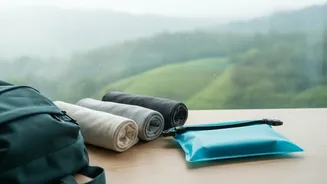
This is where waterproof pouches become your first and most crucial line of defence. Think of them not as a single item, but as a complete system for compartmentalising and protecting your belongings. Small, sealed pouches are non-negotiable for electronics, creating a barrier against rain, splashes, and even accidental submersion. But their utility doesn't stop there. Use separate pouches for important documents like your passport and tickets, for medications, and for toiletries to contain any potential spills from ruining your clothes. This modular approach also allows you to isolate wet or dirty items, such as a damp swimsuit or muddy shoes, from the rest of your clean, dry clothes. When shopping, look for pouches with strong seals, like a roll-top closure or a YKK AquaSeal zip, to ensure they are truly waterproof, not just water-resistant.
The Art of the Smart Roll
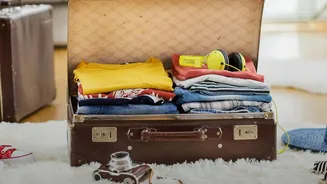
Once your waterproofing is sorted, the next step is to master your packing technique. This is where smart rolling hacks come into play. Rolling clothes instead of folding them is a well-known space-saving trick, as it compresses the fabric and squeezes out trapped air. This allows you to either pack a lighter, more compact bag or create extra room for essentials. Beyond saving space, rolling also significantly reduces wrinkles, keeping your outfits looking fresh and ready to wear upon arrival. Some travellers even advocate for rolling entire outfits together—top, bottoms, and underwear—into a single bundle, which streamlines the process of getting dressed and prevents you from rummaging through your entire bag for one item. In the humid monsoon climate, this efficiency means less time with your bag open, exposing its contents to moist air.
A System For Success
The real magic happens when you combine these two strategies into a cohesive packing system. Start by laying out your clothes. Prioritise synthetic, quick-dry fabrics like polyester and nylon blends over cotton, as they dry in hours instead of days. Roll each item tightly. Then, group these rolled items into larger waterproof stuff sacks or compression bags. This 'double-bagging' method offers two layers of protection. Even if your main luggage gets wet, the clothes inside the waterproof sacks will remain perfectly dry. You can organise these sacks by clothing type—one for shirts, one for bottoms, one for undergarments—making unpacking and finding what you need effortless. This system not only protects your gear from external rain but also from internal disasters like a leaking shampoo bottle.
More Monsoon-Proofing Tips
To fully prepare for your rainy season trip, a few extra items can make a world of difference. Pack a quick-drying microfibre towel; it’s lightweight and will be invaluable for drying off after a sudden shower or wiping down your gear. Tuck a few silica gel packets into your luggage, especially in compartments with electronics, to absorb excess humidity and prevent moisture damage. When it comes to footwear, leave the leather and canvas shoes at home. Opt for waterproof sandals with a good grip or rubber floaters that can handle wet streets and muddy paths without getting ruined. Finally, always keep a lightweight, foldable rain jacket or poncho easily accessible, rather than buried at the bottom of your bag, for those unpredictable downpours.