





Mistake 1: Not Using Nearly Enough
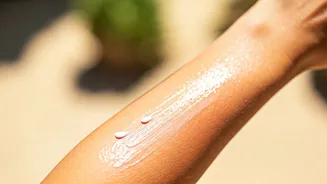
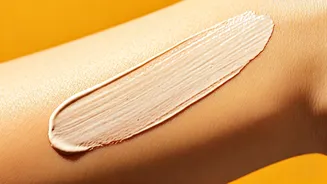
This is perhaps the most common mistake of all. To achieve the Sun Protection Factor (SPF) advertised on the bottle, you need to apply a surprisingly generous amount. Dermatologists recommend about two milligrams per square centimetre of skin. For your
face and neck alone, this translates to roughly half a teaspoon or the length of two fingers (your index and middle finger). For your entire body, you should be using about 30 ml, or the amount it takes to fill a shot glass. Studies show most people only apply 25-50% of the required amount, which can dramatically reduce the actual protection you're getting. If you apply less, an SPF 50 might only be giving you the protection of an SPF 20.
Mistake 2: Forgetting to Reapply
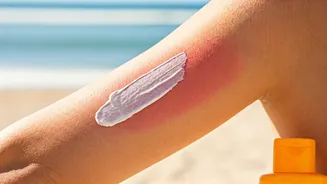
Sunscreen isn't a 'one-and-done' product. Its protective ingredients break down with exposure to sunlight. The general rule is to reapply every two hours when you're outdoors. This timeframe shortens significantly if you're swimming or sweating heavily; in those cases, you should reapply every 45 to 80 minutes, even if your sunscreen is labelled 'water-resistant'. Towelling off can also remove your protection, so it's crucial to reapply once you're dry. Many people admit they often forget to reapply, but setting a simple alarm on your phone can be a game-changer for maintaining your skin's defence.
Mistake 3: Relying on SPF in Makeup
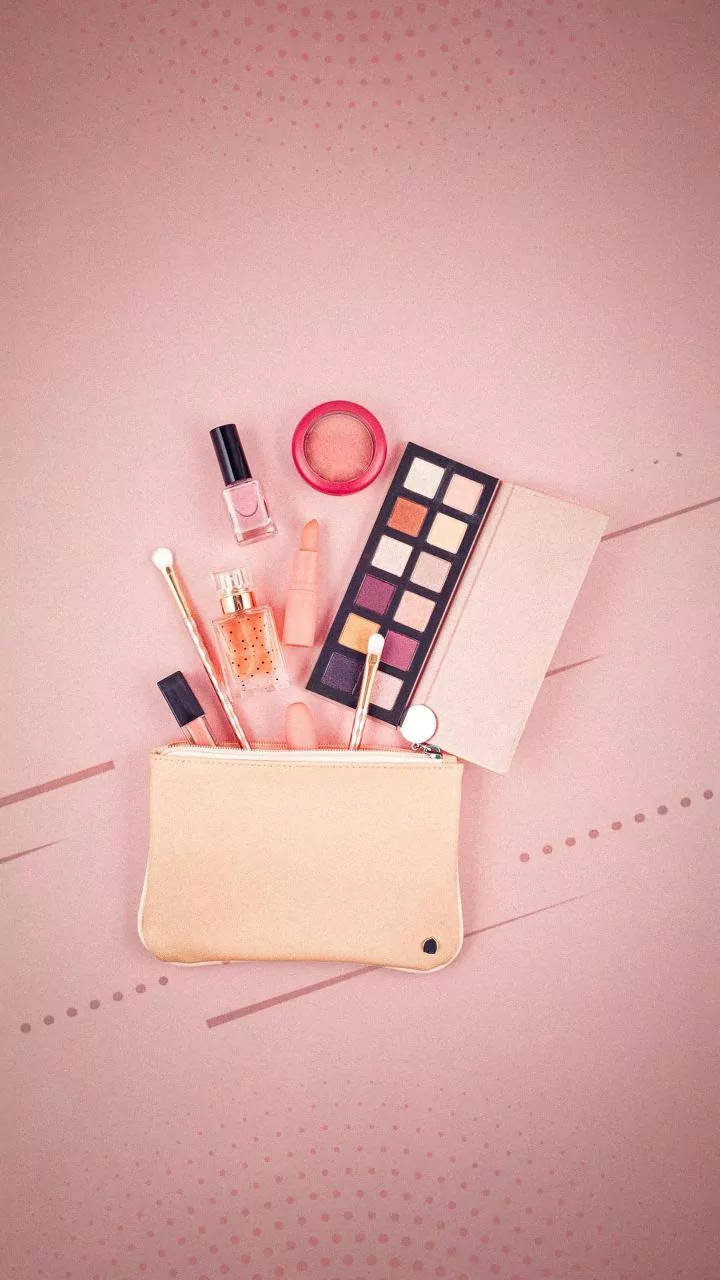
While it's great that many foundations and tinted moisturisers now contain SPF, they should be considered a bonus layer of protection, not your primary defence. The simple truth is that most people don't apply nearly enough makeup to get the level of protection stated on the packaging. To get the advertised SPF from a foundation, you'd have to apply a very thick, often impractical, layer. Dermatologists agree that it's far more effective to apply a dedicated, broad-spectrum sunscreen with an SPF of 30 or higher underneath your makeup.
Mistake 4: Missing Crucial Spots
It's easy to cover the main areas like your cheeks, nose, and forehead, but UV rays find the spots you miss. Some of the most commonly neglected areas are also common sites for skin cancer. Pay special attention to your ears (including behind them), your eyelids, the back and sides of your neck, and your hairline. Your lips are also highly susceptible to sun damage, so using a lip balm with at least SPF 30 is essential. Other frequently forgotten spots include the tops of your feet and the backs of your hands, which are almost constantly exposed.
Mistake 5: Using Expired Sunscreen
That half-used bottle from last summer's holiday might seem fine, but sunscreen does expire. The Food and Drug Administration (FDA) requires sunscreens to maintain their original strength for at least three years. After this period, the active ingredients that protect you from UV rays break down and become less effective, leaving you at risk. If your sunscreen doesn't have a clear expiration date, it's a good practice to write the purchase date on the bottle with a marker and discard it after three years. Any changes in the product's smell, colour, or consistency are also clear signs it's time for a replacement.
Mistake 6: Thinking a Low SPF is Fine for Daily Use
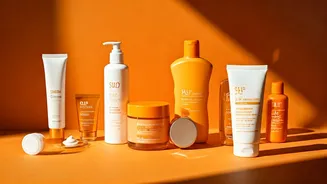
While any sunscreen is better than none, dermatologists overwhelmingly recommend using an SPF of at least 30 for daily use. An SPF 30 blocks about 97% of the sun's UVB rays. While higher SPFs offer slightly more protection (SPF 50 blocks 98%), the jump in protection is not as significant as the jump from SPF 15 (93%) to SPF 30. Using a lower SPF, especially when most people under-apply, provides a much smaller margin for error and may not deliver adequate protection. A higher SPF can help compensate for the reality that most of us don't apply a perfect layer every time.