






The Mighty Lentil (Dal)
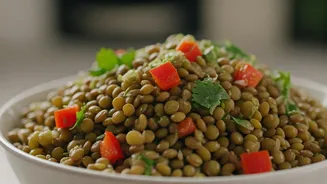
Lentils are the undisputed backbone of Indian vegetarian cuisine, and for good reason. A single bowl of dal is a fantastic source of plant-based protein, crucial for muscle repair and growth. But their benefits don't stop there. Lentils are loaded with
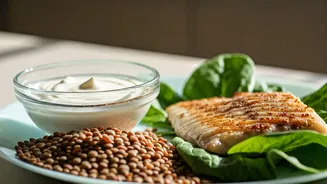
dietary fibre, which aids digestion, helps you feel full longer, and supports stable blood sugar levels. They are also rich in folate, a B vitamin essential for cell growth, and are one of the best plant-based sources of iron. To maximize iron absorption, try squeezing some lemon juice (a source of Vitamin C) over your dal. From the simple dal tadka to a hearty dal makhani, incorporating this humble pulse into your daily meals is one of the easiest ways to boost your nutrient intake.
The Versatile Chickpea (Chana)
Whether in a spicy chana masala, tossed into a salad, or blended into hummus, chickpeas are a nutritional champion. Like lentils, they offer a significant amount of protein and fibre. They are also a great source of manganese, a mineral that plays a key role in bone formation and metabolism. Chickpeas provide complex carbohydrates, which deliver a slow, steady release of energy, making them an excellent food to prevent that mid-afternoon slump. Their satisfying texture and nutty flavour make them incredibly versatile. You can roast them for a crunchy snack, add them to curries, or use chickpea flour (besan) to make everything from chillas to pakoras, adding a nutrient boost along the way.
Protein Stars: Paneer and Tofu
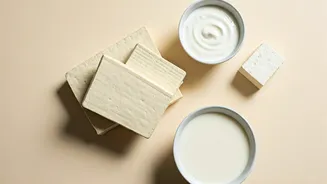
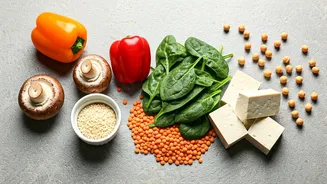
For vegetarians seeking a concentrated source of protein, paneer and tofu are top-tier choices. Paneer, a fresh cheese common in Indian cuisine, is packed with high-quality protein and is an excellent source of calcium, which is vital for strong bones and teeth. A serving of paneer can significantly contribute to your daily protein needs. Tofu, made from soybeans, is a fantastic plant-based alternative. It is a complete protein, meaning it contains all nine essential amino acids. Tofu is also lower in fat than paneer and provides a good amount of iron and magnesium. Both are like culinary sponges, soaking up the flavours of masalas and sauces, making them perfect for everything from palak paneer to chilli tofu.
Go Green: Spinach and Leafy Vegetables
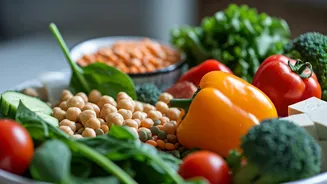
Your mother was right: you need to eat your greens. Vegetables like spinach (palak), fenugreek (methi), and mustard greens (sarson) are some of the most nutrient-dense foods you can eat. Spinach, for example, is famous for its iron content, but it's also brimming with vitamins A, C, and K, as well as magnesium and potassium. Vitamin K is essential for blood clotting and bone health. While the iron in plants (non-heme iron) is less easily absorbed than that from meat, pairing these greens with a source of vitamin C—like tomatoes in a palak curry or a squeeze of lime—dramatically improves absorption. Lightly cooking these greens can also make their nutrients more available to your body.
A Gut-Friendly Classic: Yoghurt (Dahi)
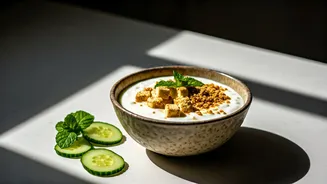
A simple bowl of dahi is a nutritional powerhouse. It's an excellent source of calcium, often more so than milk, making it critical for maintaining bone density. It’s also rich in high-quality protein. Perhaps its most celebrated benefit is its probiotic content. The live and active cultures in yoghurt are beneficial bacteria that support a healthy gut microbiome, which is linked to better digestion, improved immunity, and overall well-being. Enjoy it plain, in a raita, or as a lassi, but opt for plain, unsweetened varieties to get the maximum health benefits without the added sugar. It's a cooling, soothing, and incredibly nourishing addition to any meal.
Small but Mighty: Nuts and Seeds
Don't underestimate the power of a handful of nuts and seeds. Almonds, walnuts, chia seeds, and flaxseeds are concentrated sources of nutrients. Almonds provide healthy monounsaturated fats, vitamin E, and magnesium. Walnuts are one of the best plant sources of omega-3 fatty acids, which are crucial for brain health. Chia seeds and flaxseeds are both loaded with fibre and omega-3s as well. A small handful as a snack, sprinkled over your morning cereal or yoghurt, or blended into a smoothie can provide a significant boost of healthy fats, protein, and essential minerals. They add texture, flavour, and a serious nutritional punch to your diet.