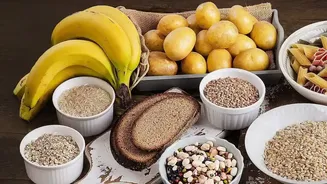








What Is the Fibre-Gating Strategy?
The “fibre-gating strategy,” also known as meal sequencing or food sequencing, is the practice of eating different food groups in a specific order during a meal. The core principle is simple: eat your vegetables and other high-fibre foods first, followed
by proteins and fats, and save starchy carbohydrates and sugars for last. This approach doesn't require you to give up your favourite foods. Instead, it works with your body's natural digestive processes to manage how nutrients, particularly glucose (sugar), are absorbed into your bloodstream. By front-loading your meal with fibre, you create a kind of buffer that has a significant effect on your metabolic response to the rest of the meal.
The Science of a Slower Burn
When you eat carbohydrates, your body breaks them down into glucose, which enters your bloodstream to be used for energy. Consuming carbs on an empty stomach can cause a rapid spike in blood sugar, followed by a sharp crash. This is where fibre comes in. Soluble fibre, found in many vegetables, dissolves in water to form a gel-like substance in your gut. This viscous mesh acts like a physical barrier, slowing down digestion and the rate at which glucose from your meal is absorbed. Studies have shown that this simple change in food order can significantly blunt post-meal glucose spikes. One study even found that eating vegetables and protein before carbs reduced the glucose spike by about half in people with prediabetes or type 2 diabetes. This process also stimulates the release of hormones like GLP-1, which enhances feelings of fullness and improves your body's insulin response.
Why Stable Blood Sugar Is Key for Your Brain
Your brain is a high-energy organ, and its primary fuel is glucose. However, it functions best with a steady supply, not a rollercoaster of highs and lows. Large fluctuations in blood sugar have been shown to impair cognitive function, slowing down processing speed and accuracy. That feeling of “brain fog,” difficulty concentrating, and sudden fatigue after a meal is often a direct result of a blood sugar crash. By using the fibre-gating strategy to flatten your glucose curve, you provide your brain with the stable, sustained energy it needs to stay sharp. This can lead to better focus, clearer thinking, and more consistent energy levels throughout the day, helping you avoid that post-meal productivity dip.
How to Put Fibre-Gating Into Practice
Incorporating this strategy into your daily life is surprisingly easy and doesn't require a complete diet overhaul. The goal is to start any meal containing carbohydrates with a fibre-rich component. This could be as simple as having a small side salad with a vinaigrette dressing before your main course. Munching on raw vegetables like cucumber slices, bell peppers, or carrots while you cook dinner also works. Even a cup of vegetable-based soup before your pasta or rice can make a difference. The key is to consume the fibre component first, creating that protective layer in your digestive system before the carbohydrates arrive. You don't need to wait a long time between the components; simply eating them in sequence during the same meal is effective.
Beyond Greens: Protein and Fat Help Too
While non-starchy vegetables are the star of the fibre-gating strategy, protein and fats also play a crucial role. Like fibre, they slow down gastric emptying—the process of food leaving your stomach—which further helps in managing blood sugar levels. For the best results, the ideal food order is fibre first (vegetables), followed by protein and fats, and finally starches and sugars. So, after your salad, focus on the chicken, fish, tofu, or beans on your plate before moving on to the potatoes or bread. This combined approach not only helps with blood sugar control but also increases satiety, making you feel fuller for longer and potentially reducing cravings later on.